

Complex design work asks for two superpowers at once: imagination that roams, and focus that lands in the details. You sketch bold ideas in the morning, then spend the afternoon auditing load paths, fire codes, and cost targets. That kind of gear shifting strains attention. With the right routines and a few well studied natural ingredients, you can support steady focus without feeling wired or distracted.
Why Design Focus Feels Fragile
Architecture and design compress many cognitive demands into a single day. There is concept generation, stakeholder communication, technical standards, budgets, and presentation polish. Each one uses a slightly different brain mode. Rapid switching can burn mental fuel quickly, which is why a project can feel clear in the studio and fuzzy during late edits.
Common Attention Drains On Project Days
- Fragmented communication: chat pings and quick questions slice deep work into tiny pieces.
- Visual fatigue: long stretches in CAD or BIM strain eyes and reduce sustained attention.
- Decision overload: too many micro choices erode willpower and clarity.
- Stress spikes: deadlines compress timelines and push your focus into tunnel vision.
The antidote is a system that reserves energy for the moments that actually move the design forward. That system pairs workflow design with nutrients that support attention circuits, membrane health, and a calm stress response.
Nootropics That Support Design Focus
Nootropics are nutrients and plant compounds that support mental performance. The ingredients below are frequently used by professionals who need concentration that feels clean and sustainable. They are tools, not magic. Combine them with good sleep, food, and sensible timing.
Citicoline: Attention And Processing Speed
Citicoline supplies choline and cytidine that the body uses to maintain healthy neuronal membranes and acetylcholine pathways linked to attention. Many designers describe a crisper ability to hold complex constraints in mind, like setbacks, spans, and daylighting requirements, while iterating a layout.
L-Theanine: Calm, Centered Concentration
L-Theanine, an amino acid found in tea leaves, promotes a relaxed yet alert state. It pairs well with a modest amount of caffeine, smoothing sharp edges without sedation. During charrettes or review prep, it can help reduce mental noise so you can stay with the model instead of bouncing between tabs.
Rhodiola Rosea: Stamina For Long Sessions
Rhodiola is an adaptogen known for supporting stress resilience and reducing fatigue. It can be useful during long documentation sessions or value engineering rounds, where the work is repetitive but accuracy matters. Many users report a steadier energy curve with fewer afternoon crashes.
Bacopa Monnieri: Long Horizon Memory
Bacopa is traditionally used for learning and memory. Effects tend to build gradually with daily use. Designers often notice smoother recall of project history, vendor details, and lessons learned from earlier phases. That makes handoffs and coordination less taxing.
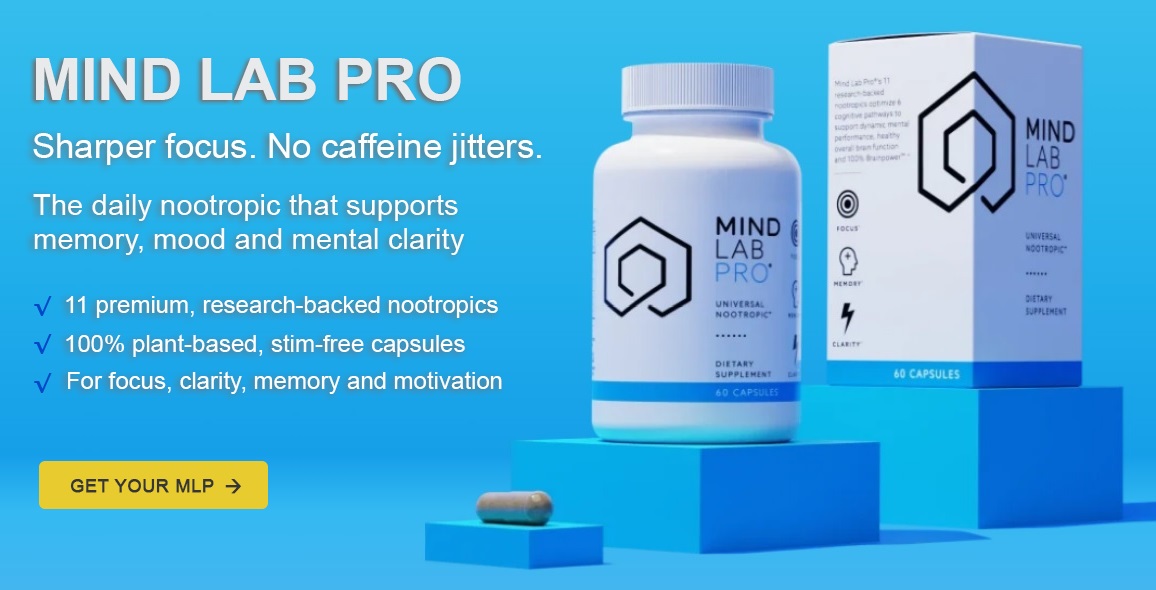
Lion’s Mane Mushroom: Freshness During Skill Growth
Lion’s Mane has gained attention for supporting a learning mindset. Many people report a clearer feel during software upskilling and new rendering pipelines. Consistency across weeks matters more than a single large dose.
Maritime Pine Bark Extract: Clear-Headed Reading
Rich in procyanidins, this extract supports healthy circulation and antioxidant activity. Some professionals notice a cleaner sense of focus during code review or long specification reading. As with many botanicals, the benefits are most noticeable with regular use.
L-Tyrosine: Pressure Days And Early Starts
L-Tyrosine supports the synthesis of dopamine and norepinephrine, which are involved in alertness and task switching. Handy for site visits that start before sunrise or final coordination meetings that pack many decisions into a short window.
Build A Workflow That Protects Deep Work
Ingredients help most when your day makes room for focus. The playbook below keeps your attention on the parts of design that carry weight.
Time Blocking For Two Modes
- Concept blocks: 60 to 90 minutes for sketching, massing studies, and rough models. No inbox, no chat, just a notebook and your modeling tool.
- Execution blocks: 90 minutes for documentation and coordination checklists. Quick decisions go on a pad for batch processing after the block.
Switching modes only at scheduled times reduces the cognitive tax of constant context changes.
Visual Hygiene For CAD And BIM
- Use a warm desk lamp on paper and a cooler monitor profile to reduce eye strain.
- Every 30 minutes, look 20 feet away for 20 seconds to reset accommodation.
- Keep a dark background variant ready for night sessions to reduce glare.
Decision Batching
- Collect micro decisions, like finish tags or minor dimension tweaks, and process them in one pass.
- Reserve your freshest hour for the one decision that moves the scheme forward.
Fuel And Environment That Multiply Results
Supplements cannot compensate for an empty tank. Give your brain what it needs so small gains add up.
Designer’s Plate
- Protein at breakfast for motivation pathways that influence follow through.
- Color from vegetables and berries to support long term brain health.
- Water bottle within reach, sip at natural work checkpoints like exports or renders.
Studio Setup
- Quiet corner for deep work blocks, with notifications off and a visible timer.
- Whiteboard parking lot for ideas that are good but not for today.
- Standing stretch every 45 minutes to refresh attention and reduce visual fatigue.
Turning Ideas Into Finished Work
Great design comes from a brain that can wander when it is time to invent and lock in when it is time to deliver. Citicoline can help with attention, L-Theanine encourages calm concentration, Rhodiola brings stamina, PS supports working memory under load, Bacopa nurtures long view memory, Lion’s Mane helps during growth phases, Maritime Pine Bark Extract supports clear reading, and L-Tyrosine helps on pressure days. Pair these tools with a workflow that respects deep work. The result is focus that feels reliable, which is exactly what complex projects need.