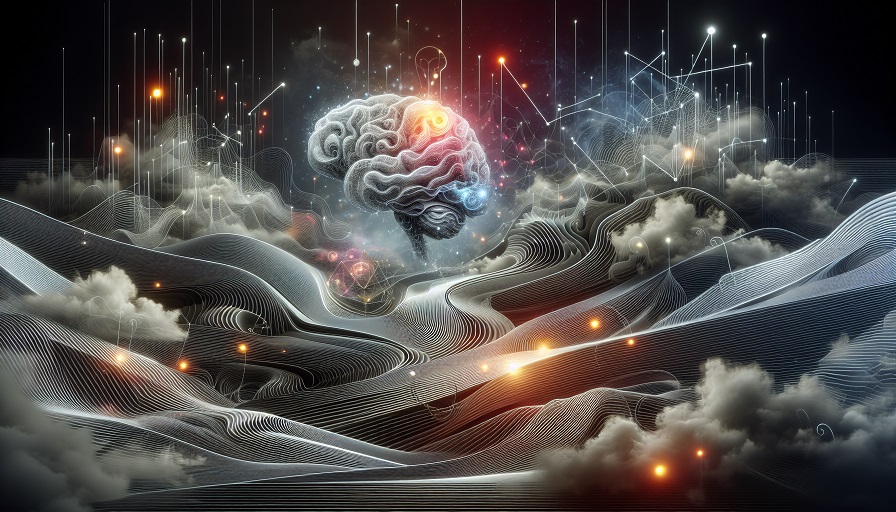
Long before brain scans, neurotransmitters, and personality tests, people still wanted answers to the same questions we ask now. Why do I think this way? Why is my friend so anxious? What makes someone courageous, cruel, or wise? Without MRI machines, they looked upward. For a long stretch of history, the night sky doubled as a theory of the mind.
Astrology once played a role that feels oddly similar to early neuroscience and psychology. It tried to link patterns in human behavior to patterns in nature. The logic was very different from modern science, but the goal was familiar: understand character, predict tendencies, and make sense of mental suffering.
Why People Looked To The Stars For Mind Answers
For ancient and medieval thinkers, the cosmos felt like a giant, meaningful system. The same forces that moved the planets were thought to shape bodies, weather, and minds. If the sky followed patterns, perhaps thoughts and moods did too.
A World Of Correspondences
Instead of separating physics, medicine, and psychology, many traditions treated them as woven together. Planets, metals, seasons, and body parts were linked in symbolic chains. A person born under a certain configuration of planets might be described as hot or cold in temperament, prone to melancholy or bursts of enthusiasm.
These correspondences were not random to the people who used them. They formed a sort of map of how the universe and human nature were thought to mirror one another.
Astrology As A Proto Personality Theory
In practice, astrology often functioned like a personality framework. Charts were used to talk about tendencies: who might be more impulsive, more reflective, more social, more withdrawn.
Today someone might say, “I lean introverted” or “I have an anxious attachment style.” Centuries ago, the language might have been, “You have a Saturnine nature” or “Mars is strong in your chart.” The labels changed, but the human urge to describe patterns of mind stayed constant.
Mind, Stars, And The Four Temperaments
One of the most influential links between astrology and mental life ran through the theory of humors and temperaments. This framework tried to explain personality and mood by combining celestial influence with bodily fluids.
Humors, Elements, And Planets
Classical and medieval medicine often described the body in terms of four humors: blood, phlegm, yellow bile, and black bile. Each humor was associated with elements such as hot, cold, wet, and dry, and these qualities were tied to planets and zodiac signs.
The mix of humors was thought to shape temperament. A person might be cheerful and quick to act, slow and thoughtful, prone to sadness, or easily angered. Planetary positions at birth were sometimes said to tip the balance in one direction or another.
Early Attempts To Link Body, Mood, And Environment
While the details now look outdated, the basic impulse is recognizable. These systems tried to link body chemistry, environmental rhythms, and mental states. They noticed that people living through certain seasons or under certain stresses shared patterns of mood.
In a way, this was a rough early attempt at biopsychosocial thinking, with astrology woven into the model as a major influence.

Astrology As A Tool For Understanding Mental Distress
Astrology was not only used for personality. It was also used to interpret and time treatments for mental distress. Without modern psychiatry, people reached for the tools they had.
Timing Treatments With The Sky
Some physicians in historical Europe consulted planetary charts to decide when to perform bloodletting, give certain medicines, or attempt particular procedures. The idea was that body and sky were linked, so the success of treatments depended on the right cosmic timing.
While this approach does not match modern evidence, it shows how seriously people took the relationship between external cycles and inner states.
Giving Language To Invisible Experiences
For people struggling with intense moods, intrusive thoughts, or sudden shifts in behavior, astrology could offer a framework. Saying “I am under a heavy Saturn” or “this is a passing influence” gave a story to something that might otherwise feel chaotic or shameful.
That story could be comforting or limiting, depending on how it was used. In either case, it highlights how humans reach for narrative when facing mental pain.
Where Astrology And Neuroscience Quietly Agree
Modern neuroscience does not attribute personality to planets, but there are a few interesting points of overlap in spirit, if not in mechanism.
Rhythms And Cycles Matter
Astrology pays close attention to cycles: daily, monthly, yearly, and beyond. Modern brain science also cares about rhythms, though the focus is on circadian clocks, hormonal fluctuations, and seasonal effects on mood.
We now know that light, sleep timing, and seasonal changes can shift neurotransmitters and influence conditions such as seasonal depression. The language has changed from planetary dignities to chronobiology, but the recognition that timing affects the mind is shared.
Personality Has Patterns, Not Pure Randomness
People across eras have noticed that personalities cluster into patterns. Astrology organized those patterns with signs and planets. Neuroscience and psychology use traits such as openness, conscientiousness, or sensitivity to reward and threat.
Both perspectives try to answer why some minds react one way while others react differently. Modern research looks to genes, brain networks, and learning history instead of star charts, but the underlying curiosity is similar.
Where Modern Science Parts Ways
Despite those echoes, there are clear reasons neuroscience and psychology no longer use astrology as an explanatory tool.
Testing Predictions Carefully
Modern science insists that explanations must survive repeated, controlled testing. Predictions about personality or mental health need to perform better than chance across many people.
When astrological claims are tested in this way, they usually do not hold up. Vague descriptions tend to feel accurate to many people, and confirmation bias makes us remember the hits more than the misses.
From Cosmic Influence To Neural Circuits
Today, questions about mood, attention, memory, and personality are usually traced to brain circuits, body systems, and environment. Instead of asking how Saturn affects sadness, a clinician might ask about sleep, trauma history, social support, and underlying medical conditions.
This shift does not make life simple, but it grounds treatment in factors that can be measured and changed.
What This Strange History Reveals About Us
Looking back at a time when astrology stood in for neuroscience can feel amusing. It can also be humbling. It shows how deeply humans want to understand the mind and how willing we are to build large systems of meaning to do so.
Our Need For Patterns And Stories
Brains are pattern seeking machines. When events and emotions feel random, stress rises. Systems like astrology offer ready made patterns and narratives. They give people a sense that their traits and struggles fit into a larger order.
Modern frameworks, from personality tests to diagnostic labels, can serve a similar function. They can clarify and comfort, or they can box people in, depending on how flexibly they are used.
Holding Explanations Lightly
History is full of confident theories about the mind that later faded. Remembering that astrology once felt intellectually respectable can be a healthy reminder to hold current ideas with some humility.
Neuroscience has made real progress in mapping brain networks and understanding disorders, but it is still growing. Future generations may look back at some of our explanations with the same mix of curiosity and surprise.
Key Ideas To Carry Forward
When astrology was used to talk about personality and mental life, it was filling a genuine human need for understanding. It offered language for temperament, distress, and change at a time when internal organs and cosmic cycles were thought to be tightly linked.
Today, brain science focuses on neurons, networks, and experience instead of planets. Yet the core questions remain: Why do minds differ? How do we suffer? How can we heal and grow? Remembering the long, strange partnership between mind and stars can make us more thoughtful about the stories we use now and more compassionate toward people in every era who simply wanted their inner world to make sense.