

Have you noticed that it is harder to stay with anything for more than a few minutes? You sit down to read, work, or watch something longer, and within seconds your hand reaches for your phone. You check one app, then another, then another. When you finally look up, you are not sure what you were doing in the first place.
If that sounds familiar, it is not just you. Social media is built to grab and hold your attention. Over time, it can quietly train your brain to crave constant new things, which makes slower, deeper tasks feel boring and uncomfortable.
What Social Media Is Doing To Your Attention
Most people do not notice the change at first. It sneaks in. You might see signs like:
- Checking your phone without realizing you decided to
- Feeling restless when a video or article takes more than a few seconds to get to the point
- Struggling to finish books, long videos, or detailed work
- Feeling like your mind is always half in the real world and half online
Your brain is not failing. It is adapting. The problem is that it is adapting to the wrong thing.
How Social Media Trains Your Brain To Crave Distraction
You are not weak for getting pulled into social media. The apps are designed that way. Here are a few simple ways they train your brain to lose focus.
Short Bursts Of Constant Stimulation
Most social feeds are a rapid stream of short posts, photos, or clips. Your brain gets used to quick hits of entertainment. This trains your mind to expect something new every few seconds. When a task moves slower than that, your brain starts looking for another hit.
Endless Scrolling With No Natural Stop
On many apps, there is no end. You can scroll forever. Your brain never gets a clear signal that it is time to stop, so it keeps going. This makes it harder to sit with anything that has a clear start and finish, like a chapter, a project, or a conversation.
Random Rewards That Make You Keep Checking
Sometimes you see something funny, useful, or exciting. Sometimes you do not. That random pattern of rewards is very powerful for the brain. It makes you keep checking “just in case” the next post or message is a good one. Over time, your brain starts scanning for quick rewards instead of steady focus.
Constant Interruptions That Break Your Flow
Notifications, badges, and alerts act like little taps on your shoulder. Each one breaks your attention, even if you do not respond right away. After enough interruptions, your brain starts expecting to be pulled away. Staying with one thing for a long time begins to feel strange.
Simple Ways To Take Your Focus Back
You do not have to delete every app or become a hermit. You just need to put a few small limits in place so your brain can remember how to focus again.
1. Set “Check Times” Instead Of Constant Checking
Instead of opening social media whenever you feel like it, choose a few set times in the day to check it, such as once in the morning and once in the evening.
Try this: Put your social apps in a folder on the second screen of your phone. When you get the urge to check, tell yourself, “I will look at it at my next check time.” This teaches your brain that it does not need instant rewards all day.
2. Turn Off Non-Essential Notifications
Most notifications are not emergencies. They are just little hooks pulling your mind away from what you are doing.
Try this: Go into your settings and turn off alerts for likes, comments, and suggested posts. Keep only what you truly need, such as calls or a few important messages. Fewer interruptions mean your brain can stay in one place longer.
3. Give Yourself Short “No Phone” Focus Blocks
Your brain needs practice focusing again. Start small so it does not feel like punishment.
Try this: Set a timer for 10 or 15 minutes. Put your phone out of reach or in another room. During that time, do one task only: read, work, clean, or think. When the timer ends, you can rest or check your phone. Over time, stretch those blocks a little longer.
4. Replace Some Scroll Time With “Slow” Activities
Your attention grows where you use it. If you want deeper focus, give your brain more slow, single-track activities.
Try this: Swap a little scroll time for reading a few pages of a book, drawing, doing a puzzle, or even just sitting with your thoughts. These “slow” activities train your brain to stay with something longer than a few seconds.
How A Brain Supplement Can Support Better Focus
These changes help retrain your brain. They give your mind fewer interruptions and more chances to practice staying with one thing. Still, many people find that even with better habits, their focus is up and down. Some days they feel clear, other days they feel scattered and pulled toward their phone.
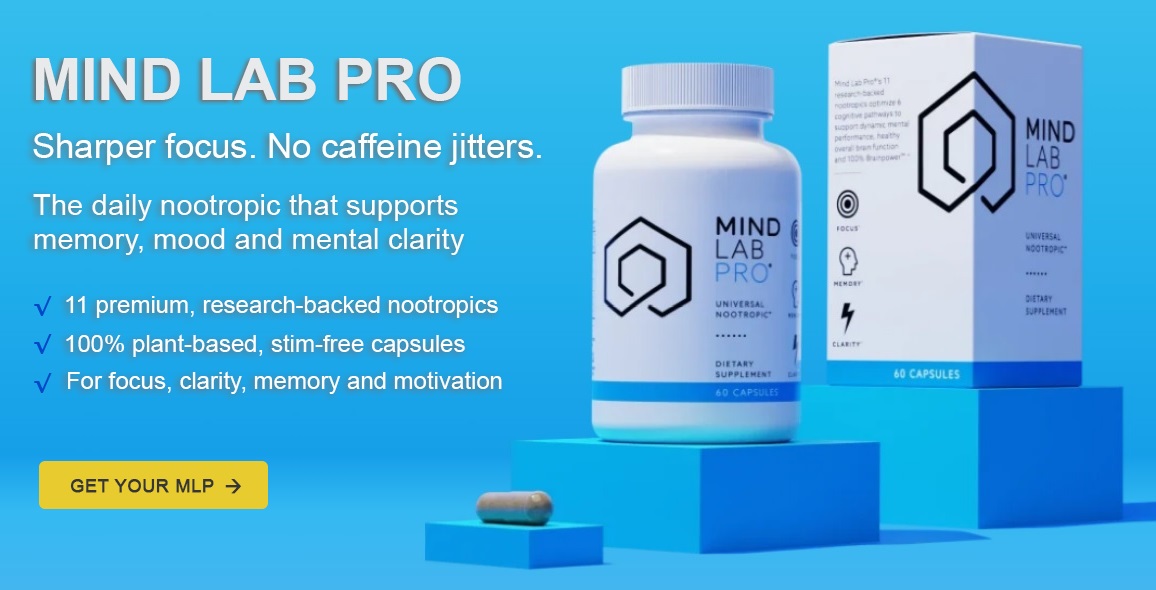
If you want extra support while you build these habits, a brain supplement may be worth considering. Mind Lab Pro is a nootropic formula designed to support overall mental performance, including focus, clarity, and memory. It uses a blend of vitamins, plant extracts, and other researched ingredients that work together to help your brain function more smoothly.
It is important to see Mind Lab Pro in a realistic way. It does not make social media harmless or replace good boundaries. A better way to think of it is as a stability solution for your mind. While you limit notifications, set check times, practice phone-free focus blocks, and add slow activities, a supplement like Mind Lab Pro may help your attention feel more steady and less easily pulled off track.
Social media is not just “something you use.” It is a system that rewards short attention, constant checking, and quick hits of stimulation. Over time, it can train your brain to lose focus, even on things you care about.
By setting check times, turning off non-essential notifications, using short no-phone focus blocks, and feeding your brain more slow activities, you can start training your attention in the other direction. If you also want gentle support for clearer, more stable thinking, a carefully designed brain supplement like Mind Lab Pro can help in the background while you give your mind better conditions to focus again.