

Mental sharpness, steady energy, and the ability to recover from stress do not happen by accident. They are the result of countless cellular processes working quietly in the background, especially those involved in energy production and repair. When these systems run smoothly, the brain feels resilient. When they struggle, focus and stamina often follow.
At the center of this conversation is NAD+, a molecule that plays a critical role in cellular energy and maintenance. It is also why quercetin, a naturally occurring flavonoid, has earned a place in modern discussions about brain health and longevity. Once known mainly for antioxidant support, quercetin is now widely studied for its influence on senescent cells and enzymes that regulate NAD+ availability.
Here we take a look at how quercetin and NAD+ intersect, why this relationship matters for cognitive wellness, and how quercetin fits naturally into NAD+ booster strategies.
NAD+ And The Brain’s Energy Economy
NAD+ (nicotinamide adenine dinucleotide) is essential for converting nutrients into usable cellular energy. It also supports enzymes involved in DNA repair, metabolic balance, and stress adaptation. Without sufficient NAD+, cells may struggle to meet energy demands or recover efficiently.
NAD exists in two closely related forms:
- NAD+, which participates directly in metabolic reactions
- NADH, which carries electrons to support ATP production
For brain cells, this balance matters. Neurons require constant energy to maintain signaling, manage neurotransmitters, and support surrounding support cells. NAD+ helps keep this energy economy stable.
NAD+ Decline And Cognitive Resilience
As people age, NAD+ levels often trend downward. Stress, inflammation, and metabolic strain can accelerate this process. When NAD+ availability drops, cellular repair and energy efficiency may suffer, which is why NAD+ has become a focal point in longevity and brain-health research.
Maintaining NAD+ levels is increasingly viewed as a proactive step toward supporting long-term cognitive resilience.
Quercetin: A Multifunctional Flavonoid
Quercetin is found naturally in many plant foods, including onions, apples, berries, and leafy greens. Supplemental quercetin has been widely researched for antioxidant activity and support of inflammatory balance.
What has elevated quercetin’s profile in recent years is its role in senolytic research. Senescent cells are aging cells that no longer divide but remain metabolically active, often releasing signals that affect surrounding tissues. Over time, their accumulation may influence metabolic health and tissue function.
Why Senescence Matters For Brain Health
The brain is sensitive to chronic inflammatory signals, even at low levels. Senescent cells can contribute to this environment through ongoing chemical signaling. By supporting mechanisms that address senescence-related pathways, compounds like quercetin and fisetin are being studied for their role in maintaining healthier cellular environments in the brain.
This connection helps explain why quercetin frequently appears in discussions about cognitive aging and cellular renewal.
The Quercetin And NAD+ Connection
Quercetin supports NAD+ not by directly increasing its production, but by influencing how efficiently NAD+ is conserved and utilized within cells.
CD38 Modulation And NAD+ Conservation
CD38 is one of the primary enzymes responsible for breaking down NAD+. Research suggests that CD38 activity increases with age and inflammation, contributing to declining NAD+ levels. Laboratory studies indicate that quercetin can modulate CD38 activity under specific conditions.
By helping moderate excessive NAD+ breakdown, quercetin supports a cellular environment where NAD+ availability is better preserved, which is relevant for energy metabolism and brain function.
Senolytic Pathways And Reduced NAD+ Drain
Senescent cells are associated with higher inflammatory signaling, which can stimulate increased CD38 expression. Quercetin’s role in senolytic research suggests an indirect but meaningful pathway for supporting NAD+ balance by reducing signals that drive NAD+ depletion.
Supporting Stress And Repair Systems
NAD+ is required for sirtuin enzymes that regulate stress responses and metabolic adaptation. Quercetin has been studied for its effects on cellular stress pathways, creating synergy with NAD+-dependent repair and resilience mechanisms.
Rather than acting alone, quercetin appears to support the broader network that allows NAD+ to function effectively.
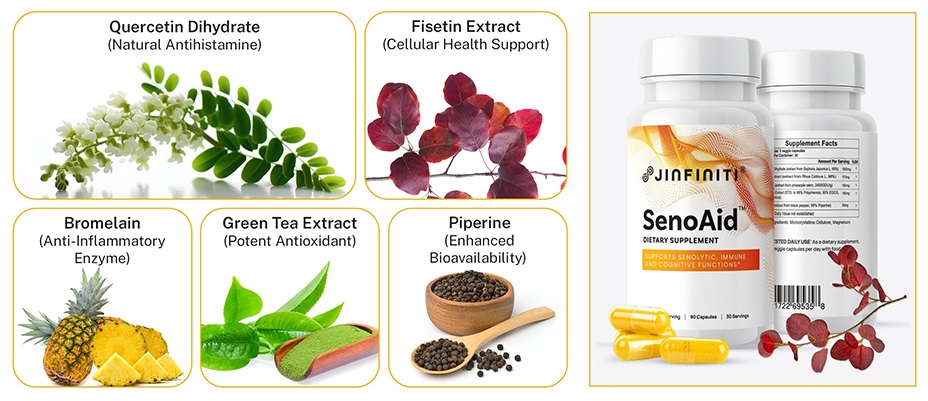
Why Quercetin Is Featured In NAD+ Booster Supplements
Modern NAD+ strategies emphasize both increasing NAD+ supply and protecting it from unnecessary loss. Quercetin fits well into this dual approach.
It is commonly included in NAD+ formulations because it may:
- Help conserve NAD+ by influencing NAD-consuming enzymes
- Support cellular renewal through senescence-related mechanisms
- Promote inflammatory balance relevant to cognitive health
- Complement NAD+ precursors by supporting efficient NAD+ utilization
For individuals interested in brain longevity, this layered support makes quercetin a logical and appealing component of NAD+ booster formulas.
Using Measurement To Guide Decisions
As NAD+ science advances, many people choose to track their NAD-related markers. At-home NAD testing provides a convenient way to establish a baseline and evaluate how a consistent supplement routine affects levels over time.
This approach aligns well with quercetin’s role in NAD+ preservation, offering feedback that supports informed, confident choices.
A Confident Addition To A Cognitive Wellness Strategy
Quercetin’s appeal lies in its versatility and scientific interest. It supports antioxidant balance, appears in senolytic research, and plays a complementary role in maintaining NAD+ availability. Together, these qualities position quercetin as more than a trend, it is a thoughtfully studied compound with relevance to brain health and aging.
For those focused on long-term cognitive vitality, quercetin offers a compelling way to support the cellular systems that help the brain stay energized and adaptable.