

Spermidine sounds like it was named by a mischievous scientist who wanted to see how many people would say it out loud in public. Despite the name, spermidine is not a gimmick. It is a naturally occurring compound found in your body and in foods like wheat germ, mushrooms, aged cheese, legumes, and soy-based products. What makes it interesting for brain health is not a quick hit of focus, but something quieter and more important for the long haul: how well your cells clean up and renew themselves as you age.
If you have ever tried to work on a laptop with 47 browser tabs open, you already understand the basic problem of aging biology. Over time, clutter accumulates, performance slows, and everything feels a little more fragile. In the brain, that “clutter” can include damaged proteins, stressed-out cellular parts, and worn mitochondria. Spermidine is tied to cellular maintenance pathways that help reduce that buildup. That is why it keeps showing up in healthy aging conversations, even though it is still under the radar for most people interested in cognition.
What Spermidine Is And Why It Matters For The Brain
Spermidine is a polyamine, a type of compound involved in cell growth, repair, and regulation. Your body makes spermidine, and you can also get it through diet. Levels tend to decline with age, which is one reason it is studied in longevity research.
The Brain Is A Maintenance-Heavy Organ
Neurons are high-maintenance cells. They are meant to last a long time, and they do a lot of work every day, from keeping your attention steady to storing memories and controlling mood. For neurons to stay resilient, they need reliable “housekeeping” systems that clear out damaged components and recycle materials efficiently. When those systems slow down, mental stamina can fade and cognitive comfort can suffer.
Spermidine’s appeal is that it is associated with supporting those maintenance systems, especially autophagy.
Autophagy: The Cell’s Recycling Program
Autophagy is the process cells use to break down and recycle worn-out or damaged components. It is not trendy, but it is essential. Think of autophagy like a cleanup crew that keeps the cell from becoming a storage unit full of broken furniture.
Why Autophagy Matters For Cognitive Aging
The brain is particularly sensitive to cellular “trash” because it relies on fast, precise signaling. Protein buildup, oxidative stress, and damaged cellular parts can interfere with that signaling. Autophagy helps maintain a healthier internal environment by removing what is no longer useful and repurposing the materials.
In preclinical research, spermidine is often discussed as a compound that supports autophagy-related pathways. That does not automatically mean it prevents disease or guarantees better memory, but it provides a biologically plausible reason it could support brain resilience over time.
Autophagy Versus Stimulation
This is an important distinction for a brain health audience: autophagy support is not the same as stimulation. A stimulant can make you feel more alert while doing nothing for long-term maintenance. Spermidine is closer to the opposite. If it helps, the effect is usually subtle and baseline-oriented, like having a brain that feels a bit less “gummed up” during the week.
The Overlooked Brain Benefits Of Spermidine
People often focus on spermidine as a general “longevity” ingredient. The overlooked part is how many longevity pathways overlap with brain health. Here are the most practical angles.
Supporting Mental Stamina Through Cellular Efficiency
Mental stamina is often the first thing people notice slipping with age. It can feel like attention runs out faster, and complex tasks require more effort. Cellular maintenance and energy regulation influence that experience. When cells spend less energy dealing with accumulated damage and more energy doing their actual job, performance can feel steadier.
Protein Homeostasis And Cognitive Resilience
One theme in brain aging research is protein homeostasis, meaning the body’s ability to fold, repair, and clear proteins appropriately. When protein handling goes off track, cells can become stressed. Autophagy is one mechanism involved in clearing damaged proteins, and spermidine’s connection to autophagy is part of why it is discussed in cognitive longevity circles.
Inflammation, Brain Fog, And The “Background Noise” Effect
Low-grade chronic inflammation is associated with that heavy, hazy feeling many people describe as brain fog. Even when it is not severe, it can make concentration harder and motivation lower. Spermidine has been studied for effects related to inflammatory signaling and cardiovascular health in broader aging research. If inflammatory burden is reduced, the brain may experience less background stress, which can support cognitive comfort.
Vascular Health And Brain Performance
The brain depends on blood flow to deliver oxygen and nutrients. Vascular health is a major factor in cognitive aging. Spermidine has shown associations with cardiovascular aging markers in some research contexts, which matters because what is good for the heart often supports the brain’s long-term function too.
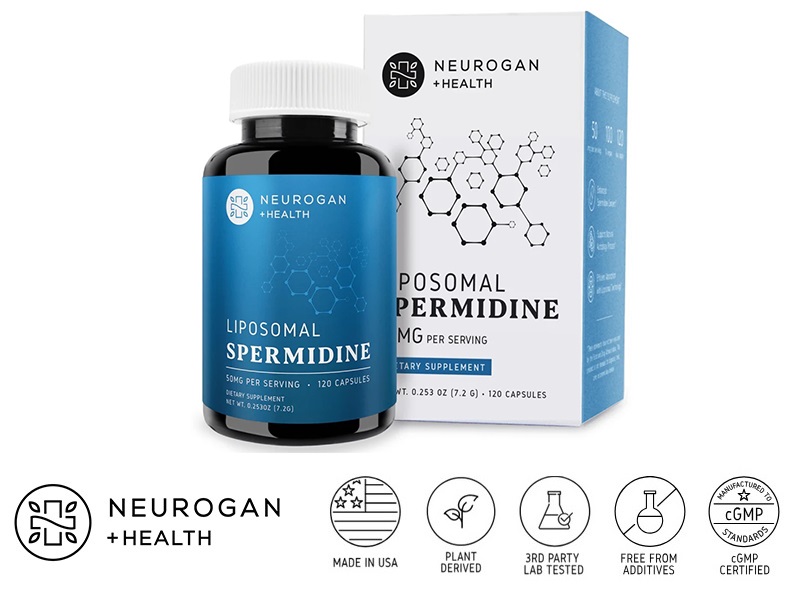
Why Liposomal Spermidine Can Be Worth Considering
Not all supplements deliver their ingredients equally. Liposomal supplements package an ingredient inside tiny lipid-based spheres, often called liposomes. These lipid layers can help protect sensitive compounds during digestion and may improve absorption into circulation. In practical terms, liposomal delivery is designed to help more of the ingredient make it to where it can be used, which is one reason liposomal products are often priced higher than standard capsules or powders.
What Spermidine Usually Feels Like
Spermidine is not typically a “feel it right away” supplement. If it supports brain health, the experience is often subtle and gradual. Many people think about it in terms of resilience, energy consistency, or mental steadiness rather than a burst of productivity.
Possible Signs It Is Helping
- More stable mental energy across the day
- Better endurance for mentally demanding work
- Less cognitive drag during busy or stressful weeks
What It Probably Will Not Do
- Create instant focus like caffeine
- Fix sleep deprivation or chronic stress
- Replace lifestyle basics like movement and nutrition
A fair way to think about spermidine is that it supports the conditions that make a clear mind easier to maintain, especially as the years add up.
Key Takeaways
Spermidine is overlooked in brain health discussions because it does not act like a classic nootropic. Its potential value comes from supporting autophagy and broader maintenance biology that overlaps strongly with cognitive aging. For people focused on the long game, steadier energy, better resilience, and a healthier cellular environment, spermidine is a supplement worth considering. A liposomal form may also support more consistent delivery, which can be useful when someone is making a long-term investment in healthy aging.