Deep sleep is the unsung hero of brain health. It is not flashy like dreaming, and you cannot brag about it on social media because, well, you are unconscious. But deep sleep is where a lot of the heavy lifting happens. If your brain were a busy restaurant, deep sleep would be the overnight cleaning crew, the inventory team, and the maintenance crew all working at once.
Delta waves are strongly associated with deep sleep. They are slow brain rhythms that tend to dominate during the deepest stages of non-REM sleep, when the body and brain shift into repair, restoration, and recovery. Understanding delta waves can help you understand why you feel amazing after a truly restorative night and why you feel like a zombie after a night of shallow, fragmented sleep.
Here we explain what delta waves are, what deep sleep does for the brain, how sleep stages work, and practical ways to support deeper recovery, including what to know about sleep-related entrainment tools.
What Delta Waves Are
Delta waves are slow brain rhythms typically described in the range of about 0.5 to 4 Hz. They are most prominent during deep non-REM sleep, sometimes called slow-wave sleep. Because delta activity is slow and large in amplitude, it is easier to spot on EEG compared with faster rhythms.
Delta does not mean “good” and beta does not mean “bad.” These are just patterns associated with different states. Delta is a sign that the brain is in a deeply restorative mode. When delta sleep is strong and uninterrupted, many people feel more physically restored, emotionally steady, and mentally clear the next day.
Delta Is Not Only For Sleep
Delta activity can also appear in some waking situations, such as certain meditative or trance-like states, and in some brain conditions. In healthy daily life, however, delta is most strongly linked with deep sleep, which is why it gets so much attention in sleep discussions.
What Deep Sleep Does For Recovery
Deep sleep supports recovery in multiple ways. It is not just rest, it is active biological work. Your brain and body use deep sleep to repair tissues, regulate immune function, balance hormones, and consolidate certain kinds of memory. This is why deep sleep is linked with feeling physically refreshed and mentally steady.
Physical Repair And Hormonal Support
Deep sleep is associated with processes that support physical restoration, including tissue repair and hormone regulation. This is one reason athletes and active people often notice performance declines when sleep quality drops. Your body cannot rebuild efficiently if it never gets its recovery window.
Brain Recovery And Metabolic Housekeeping
During deep sleep, the brain shifts into a different mode of activity that supports restoration. Researchers often discuss sleep as a time when the brain can reduce the demands of wakeful processing and prioritize internal maintenance. From a practical standpoint, you can think of deep sleep as the brain’s best chance to reset and stabilize.
Emotional Stability And Stress Tolerance
When deep sleep is low, stress feels bigger. The same problem that would normally be annoying can feel overwhelming. That is not weakness, it is biology. A well-rested brain has more emotional bandwidth. Deep sleep contributes to that bandwidth by supporting recovery and regulation.
How Sleep Stages Work And Where Delta Fits
Sleep cycles through stages several times per night. While models vary, most descriptions include lighter non-REM stages, deeper non-REM stages, and REM sleep. Deep sleep typically occurs more in the first half of the night, while REM becomes more prominent later. This is one reason staying up late and cutting sleep short often reduces deep sleep and makes mornings harder.
Non-REM Sleep And Slow-Wave Sleep
Non-REM sleep includes lighter stages and deep slow-wave sleep, where delta activity is strong. In slow-wave sleep, the brain shows slow oscillations and the body is typically less responsive to external stimuli. Waking from deep sleep often produces grogginess, sometimes called sleep inertia, because the brain is mid-recovery and does not love being interrupted.
REM Sleep Is Different Work
REM sleep is often associated with vivid dreaming and different patterns of brain activity. Both deep sleep and REM sleep matter, but they support different kinds of processing. The goal is not to maximize one stage at the expense of others, it is to support healthy cycling and enough total sleep time.
Why Deep Sleep Gets Disrupted
Deep sleep can be reduced or fragmented by many factors: stress, alcohol, irregular schedules, late caffeine, noisy environments, hot bedrooms, untreated sleep apnea, pain, and late-night screen exposure. Sometimes the issue is not falling asleep, it is staying in the deeper stages long enough to get full recovery.
Stress And Hyperarousal
When you are stressed, your nervous system can stay in a vigilant mode at night. Even if you sleep, it may be lighter and more fragmented. The body is essentially sleeping with one eye open, and deep recovery becomes harder.
Alcohol And Fragmented Sleep
Alcohol can make you feel sleepy initially, but it often disrupts sleep architecture later in the night. Many people experience more awakenings and less restorative sleep after drinking, even if they do not remember waking.
Environment And Temperature
Noise, light, and heat can all disrupt deep sleep. A cooler, darker room often supports deeper rest. Small changes, blackout curtains, white noise, or a fan, can make a bigger difference than people expect.
Practical Ways To Support Deep Sleep And Delta Activity
You cannot command your brain to produce delta waves on cue, but you can support the conditions that make deep sleep more likely. Focus on consistency, downshifting, and environmental cues.
Keep A Consistent Wake Time
A consistent wake time anchors your circadian rhythm. This improves sleep pressure and helps your body know when sleep is expected. Even if bedtime varies, a steady wake time is one of the most reliable habits for improving sleep quality.
Protect A Wind-Down Routine
Deep sleep benefits from a calm transition into bedtime. Dim lights, reduce screens, and choose quiet activities. The goal is to reduce stimulation so your nervous system can downshift. A short routine repeated nightly becomes a powerful cue.
Limit Late Caffeine And Heavy Late Meals
Caffeine late in the day can reduce sleep depth for sensitive people. Heavy meals close to bedtime can also disrupt sleep through discomfort or reflux. Adjusting timing is often easier than changing what you enjoy entirely.
Optimize The Bedroom For Sleep
Keep the room cool, dark, and quiet. If noise is unavoidable, consider consistent background sound. If light leaks in, use blackout curtains or a sleep mask. These changes can support deeper sleep by reducing micro-arousals.
Where Entrainment Fits For Sleep And Delta
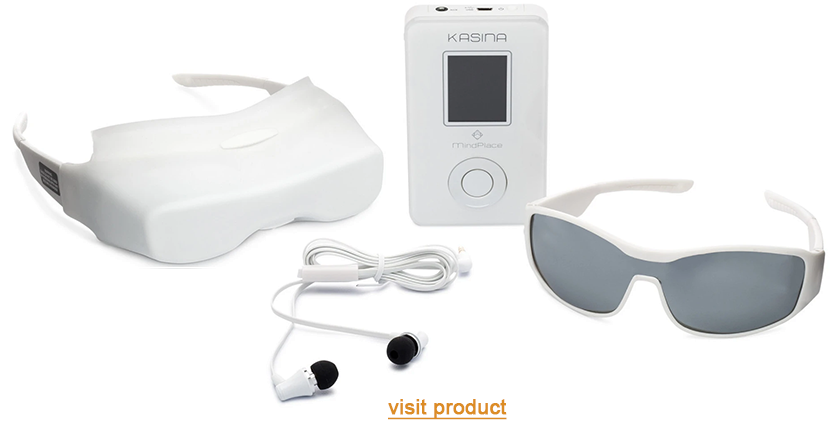
Some people use rhythmic audio, including entrainment-style tracks, as part of a bedtime routine. The most realistic role for these tools is as a wind-down support. They may help reduce racing thoughts, encourage relaxation, and create a consistent cue for sleep.
Audio-Based Methods Are The Practical Choice
For sleep routines, audio is usually preferable to visual flicker. Light stimulation can be activating and can interfere with natural nighttime signals. Audio at low volume is easier to use safely and comfortably for most people.
Use Entrainment As A Cue
Even if a track is labeled “delta,” it does not guarantee deep sleep. Think of it like herbal tea. It can support the mood and routine, but it does not force biology. If it helps you relax and fall asleep more smoothly, it is useful. If it annoys you, it is not.
Deep Sleep Is A Foundation, Not A Luxury
Delta waves and deep sleep are part of how the brain enters recovery mode. You do not have to become obsessed with sleep stages to benefit from this knowledge. The takeaway is simple: deep sleep supports physical restoration, emotional stability, and mental clarity. When you protect sleep, you protect your brain’s ability to handle life.