Neurotechnology can feel like a big, futuristic word for a simple human desire: “I want my brain to cooperate.” Focus when it is time to work, calm when it is time to exhale, and sleep when the day is done.
The tricky part is that different devices support those goals in different ways. Some guide your brain into a state. Some teach you how to create that state yourself. Some create a sensory environment that makes meditation feel easier to access. If you have been wondering where to start, you do not need a single “best” device. You need the device that fits your preferences, goals, and style.
This guide covers three popular neurotechnology tools that people use for brain health routines: NeoRhythm (a PEMF wearable), Muse 2 (an EEG neurofeedback headband), and Kasina (a light-and-sound mind media system). You will get a clear sense of what each is, what each is best suited for, and how to choose the right match.
Quick Orientation: Three Approaches, One Goal
Before we talk devices, it helps to name the three approaches they represent. Think of these as different paths up the same mountain.
Approach 1: State Shifting
Some tools are designed to help your brain shift into a desired state, like calm, focus, or sleep readiness. The experience is often passive: you put the device on, run a session, and let your nervous system settle into the rhythm.
Approach 2: Skill Building
Other tools aim to build your internal skills, like attention control and self-regulation. The experience is often active: you practice, get feedback, and improve over time.
Approach 3: Immersive Practice
Some tools create an immersive environment, usually using light and sound, that can make meditation, relaxation, and visualization more engaging. This can be especially helpful if sitting in silence feels like trying to hug a cactus.
Now let’s match each device to its approach and talk about what that means in real life.
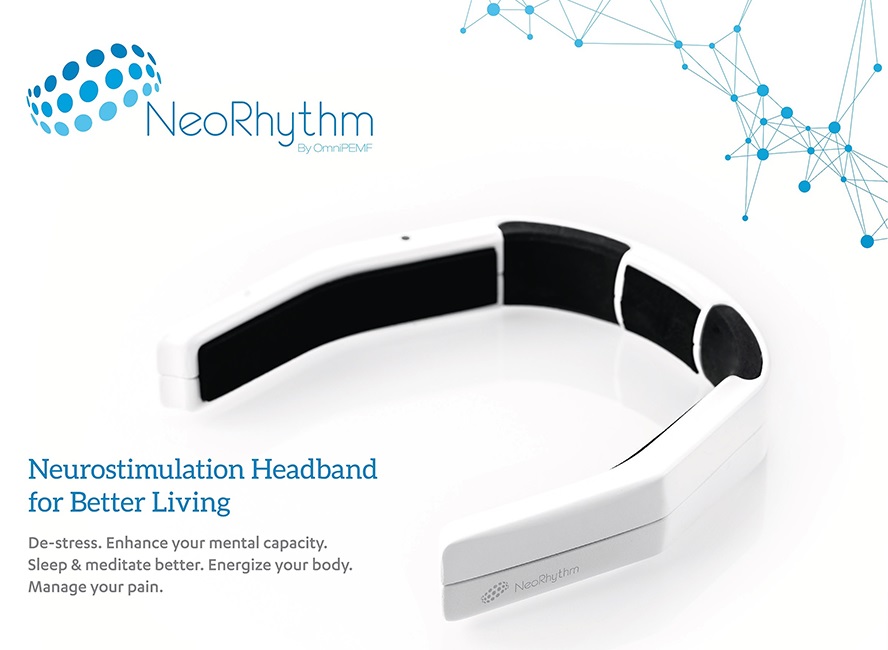
NeoRhythm: PEMF Brainwave Entrainment For State Shifting
NeoRhythm is a portable wearable that uses pulsed electromagnetic fields (PEMF) in frequency-based sessions. In plain language, it delivers structured pulses intended to support brainwave entrainment, meaning your brain may align with the rhythm of the session over time. NeoRhythm is typically used to support state shifts such as relaxation, focus, meditation readiness, or sleep wind-down.
What NeoRhythm Is Best Suited For
- People who want a simple “switching gears” ritual: focus mode, unwind mode, sleep mode.
- People who prefer passive support: you do not need to concentrate on doing it “right.”
- Routine lovers: those who enjoy repeating the same cue daily.
What a Session Can Feel Like
PEMF sessions are often subtle. Many users describe the value less as a dramatic sensation and more as a smoother transition into a chosen state, like settling into work with less mental friction or easing into an evening wind-down without feeling mentally stuck.
Who Might Prefer a Different Approach
If you enjoy data, progress metrics, and training skills through feedback, an EEG-based tool may feel more engaging. If you want a guided, immersive “meditation theater” experience, a light-and-sound system might feel more satisfying.
Muse 2: EEG Neurofeedback For Skill Building
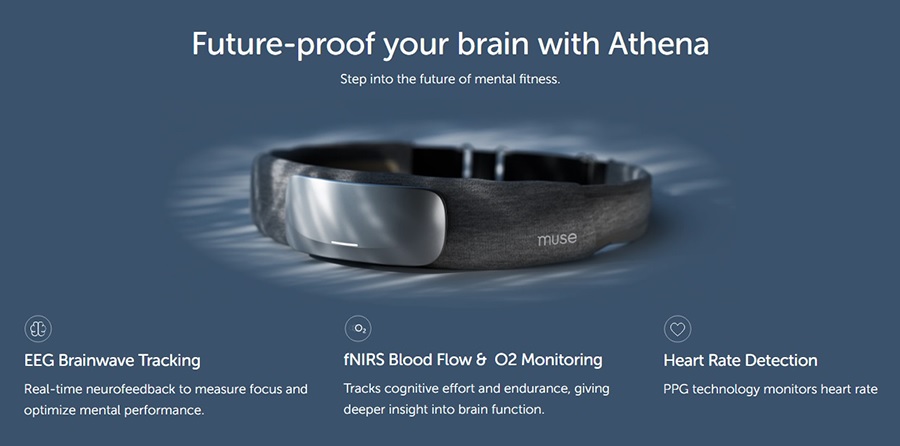
Muse 2 is an EEG headband designed for neurofeedback, often used during meditation or breathing practice. EEG measures electrical activity at the scalp, and neurofeedback provides real-time signals that help you notice what is happening in your brain and adjust your attention. Many people like Muse 2 because it turns meditation into something you can practice with feedback, not just something you hope you are doing correctly.
What Muse 2 Is Best Suited For
- People who want to build attention skills: training focus and awareness over time.
- People who enjoy feedback: you get signals that guide your practice.
- Meditation beginners: especially those who wonder, “Am I doing this right?”
What a Session Can Feel Like
EEG neurofeedback tends to feel interactive. You practice, you notice your mind wandering, and you use feedback to return. Over time, many people find that the skill transfers into daily life: fewer autopilot moments, steadier attention, and a calmer relationship with distractions.
Who Might Prefer a Different Approach
If you want a more passive experience, neurofeedback can feel like effort. It is training, after all. If you prefer to be guided by sensory experience rather than by feedback signals, a light-and-sound approach may be a better fit.
Kasina: Light And Sound For Immersive Meditation
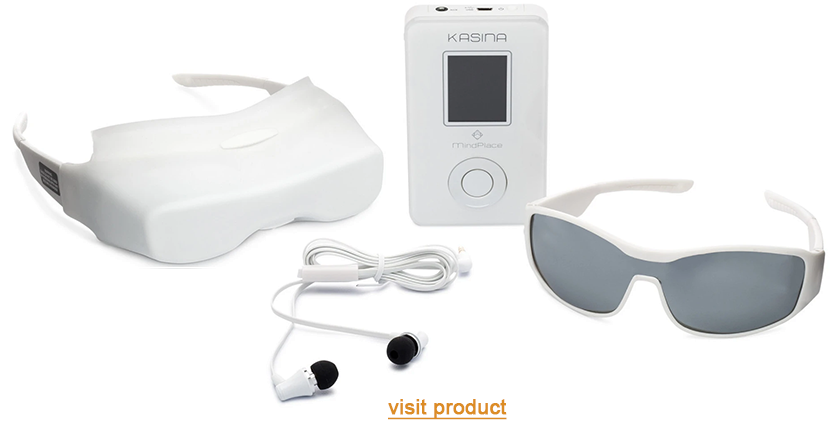
Kasina is a mind media system that uses light and sound sessions to create an immersive meditation environment. People often use it for deep relaxation, meditation practice, visualization, and creative inner work. The experience can feel like stepping into a “guided sensory space,” where your brain has fewer reasons to chase outside distractions because the session itself is engaging.
What Kasina Is Best Suited For
- People who like guided experiences: sessions can feel like a structured journey.
- Meditators who want variety: light-and-sound can refresh your practice.
- Creative minds: those who enjoy imagery, reflection, and inner exploration.
What a Session Can Feel Like
Kasina sessions often feel vivid and immersive, especially in a quiet room. Many users describe it as easier to “stay with” than silent meditation, because the session provides a steady sensory framework. For some, it becomes a favorite end-of-day ritual, the kind that gently clears mental clutter.
Who Might Prefer a Different Approach
If you prefer minimal stimulation, light-and-sound may feel like too much input. If your main goal is everyday focus training and measurable self-regulation practice, EEG feedback may feel more directly aligned.
How To Choose Based On Your Goals
Here is the simplest way to decide: choose the device that matches your preferred style of change. Not everyone’s brain likes the same kind of support.
If Your Main Goal Is Easier Wind-Down and Sleep Readiness
- Best match for many people: a state-shifting approach that supports a predictable bedtime cue.
- Good fit: NeoRhythm for frequency-based wind-down sessions, Kasina for immersive evening relaxation.
If Your Main Goal Is Stronger Focus and Mental Performance
- Best match for many people: something that supports an intentional transition into work mode.
- Good fit: Muse 2 for training attention skills, NeoRhythm for a consistent pre-work state cue.
If Your Main Goal Is Meditation Consistency
- Best match for many people: a tool that makes practice easier to repeat.
- Good fit: Muse 2 for feedback-guided meditation, Kasina for immersive sessions that keep attention engaged.
If You Are New and Want the Least Friction
Look for the tool you will actually use. Consistency beats intensity. If you love simplicity and routine, a state-shifting device can feel natural. If you love feedback and progress, neurofeedback can feel motivating. If you love experience and immersion, light-and-sound can make practice feel enjoyable.
Can You Use More Than One Device?
Yes, and many people naturally do, just not all at once like a brain-tech fashion show. These tools can complement each other because they support different parts of a brain health routine:
- Use NeoRhythm as a quick state cue before deep work or as part of an evening wind-down.
- Use Muse 2 as a practice tool to build attention and self-regulation skills.
- Use Kasina for immersive meditation sessions, deep relaxation, or creative inner work.
A helpful way to think about it is “training” versus “transition.” Muse 2 is often about training skills. NeoRhythm and Kasina are often about supporting transitions into a desired state. If you enjoy both, they can live happily in the same routine on different days or at different times.
Final Thoughts: Match the Tool to the Person
Neurotechnology is most helpful when it fits your brain and your life. NeoRhythm supports state shifting through PEMF brainwave entrainment. Muse 2 supports skill building through EEG neurofeedback. Kasina supports immersive meditation through light and sound. Each approach is legitimate, and each can be a great match depending on what you want most.
If you choose based on your goals and your style, the decision becomes simple: pick the device you will use consistently, because consistent practice is where brain health routines become real.