
There’s a particular kind of person who genuinely gets excited about learning something new on a Tuesday afternoon just because they can. They’re the ones who read the footnotes, who take an online course for fun, who follow a casual dinner conversation about Roman aqueducts down a three-hour research spiral without a single regret. If someone like that is on your gift list, you already know that a generic present isn’t going to cut it.
What a lifelong learner really wants is something that feeds the habit. Something that says: I see the way your mind works, and I think it’s worth investing in. This guide is built around exactly that idea, with brain health woven throughout, because anyone who loves to learn deserves gifts that support the very organ making all that learning possible.
Books That Open New Rooms in the Mind
A well-chosen book remains one of the most reliable gifts you can give a learner, but the selection matters enormously. The goal isn’t to land in comfortable territory. It’s to find a title that cracks open a subject they’ve been circling without ever quite committing to.
Nonfiction That Changes the Lens
Look for books that don’t just report facts but alter the reader’s framework for understanding things. Works on cognitive science, behavioral economics, the history of ideas, or the philosophy of mind tend to hit differently for lifelong learners because they’re not just informative. They’re meta. They help readers understand their own thinking better, which is the kind of gift that compounds over time. Titles by authors like David Eagleman, Lisa Feldman Barrett, or Carlo Rovelli have a way of making readers feel like the world just got more interesting, not less.
Tools That Sharpen the Mind Through Play
Learning doesn’t always look like sitting quietly with a highlighter. Some of the most effective cognitive engagement happens through structured play, and the research on this is pretty compelling. Games that demand working memory, lateral thinking, and adaptive strategy aren’t just entertaining. They’re doing real work on the brain’s neural pathways while the player is busy enjoying themselves.
Strategy Games Worth the Table Space
Chess is the obvious choice, and for good reason, but if your recipient already has a set gathering dust, consider something that brings other people to the table. Games like Wingspan, Azul, or 7 Wonders combine strategic depth with enough elegance that they don’t feel like homework. For the solo player, a high-quality logic puzzle compendium or a subscription to a platform like Brilliant.org, which teaches math and science through interactive problem-solving, offers a similar kind of rigorous, enjoyable challenge.
Brain Training with Staying Power
Skip the apps that promise to make you a genius in fifteen minutes. The cognitive engagement that genuinely sticks comes from learning real skills: a new language, a musical instrument, or a craft that requires fine motor coordination and spatial reasoning. A subscription to a language learning platform, a beginner’s music theory course, or even a quality drawing tutorial book signals something more meaningful than a distraction. It signals belief in someone’s capacity to grow.
The Case for Gifting Brain Health Directly
Here’s a thought that tends to catch people off guard: the brain is a biological organ, and like any biological system, it benefits from the right inputs. Lifelong learners often think carefully about what they read, listen to, and engage with, but far fewer give the same consideration to what they’re doing nutritionally to support cognitive function. That gap is exactly where a thoughtful gift can do something genuinely different.
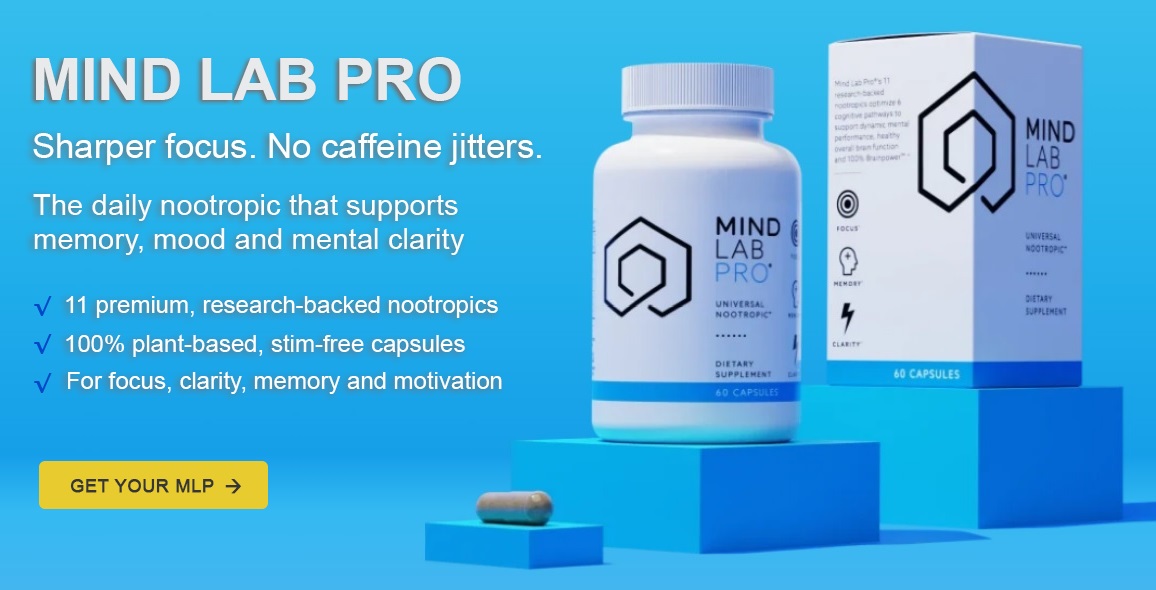
Nootropic supplements have stepped significantly out of the fringe and into mainstream wellness conversations over the past decade. At the quality end of that market sits Mind Lab Pro, a nootropic formula that has built a strong reputation by doing something simple in principle but difficult in practice: combining well-researched ingredients at meaningful doses, without fillers or proprietary blends that obscure what you’re actually getting.
Its formula includes Citicoline, which supports brain cell membrane health and has been studied for its role in attention and focus. Bacopa Monnieri, an adaptogenic herb with a long history in Ayurvedic medicine, has been the subject of numerous studies examining its effect on memory formation and retention. Lion’s Mane Mushroom contributes compounds that may stimulate the production of Nerve Growth Factor, which plays a role in the maintenance of neurons. For someone who takes their cognitive life seriously, a gift like this isn’t a gimmick. It’s a considered investment in the hardware running everything else.
How to Present It Thoughtfully
Context makes a gift land. Rather than simply handing over a bottle, pair Mind Lab Pro with a short note explaining why you chose it, or bundle it with a book on neuroplasticity or brain longevity. Authors like Wendy Suzuki or Norman Doidge have written accessibly and compellingly about the brain’s capacity to change and improve throughout life. Together, the book and the supplement tell a coherent story: your brain is worth looking after, and here are two ways to start.
Experiences That Feed Long-Term Curiosity
For the learner who genuinely has most of the books they want and a drawer full of pens, an experience often lands harder than a physical object. The key is matching the experience to the shape of their curiosity.
Courses and Learning Subscriptions
A gift subscription to MasterClass, Coursera, or The Great Courses gives access to hundreds of hours of structured learning across every imaginable subject. These platforms have improved dramatically in production quality and depth. Alternatively, a membership to a local museum, science center, or botanical garden offers the slower, ambient kind of learning that often sparks the most unexpected connections.
Lectures, Talks, and Workshops
Tickets to a live talk, a writers’ festival, a science communication event, or a philosophy weekend retreat give the learner something that books and apps simply cannot: the electricity of being in the room when an idea is being argued out loud. If your city hosts a TEDx event, a literary festival, or a university public lecture series, a membership or ticket package makes for a genuinely memorable gift.
Putting It All Together
The best gift you can give a lifelong learner isn’t the cleverest one or the most expensive one. It’s the one that shows you understand what drives them. That behind the book recommendations and the curiosity questions and the enthusiasm for obscure subjects is a person who simply loves the act of knowing things.
When you give something that honors that love, whether it’s a book that shifts their perspective, a game that stretches their thinking, a course that opens a new field, or a supplement that supports the brain doing all that beautiful work, you’re not just giving a present. You’re participating in someone’s intellectual life. And for the lifelong learner, that kind of recognition might just be the best gift of all.