

It starts small. You walk into the kitchen and stand there for a full five seconds with absolutely no idea why you came in. A colleague’s name, someone you’ve worked with for two years, goes completely blank right when you need it most. You put your keys somewhere “safe” and spend fifteen minutes conducting a thorough archaeological dig through your own home. Individually, these things are mildly annoying. But when they start happening regularly, a quieter thought creeps in: is something wrong with my memory?
First, some reassurance. Occasional memory slips are a normal feature of a brain managing an enormous amount of information under imperfect conditions. They don’t automatically signal anything sinister. But the fact that you’re paying attention to them is actually useful data, because memory, like most aspects of brain health, responds well to deliberate care. The question isn’t whether you should do something. It’s what’s actually worth doing.
What’s Most Likely Behind the Slips
Before reaching for solutions, it helps to understand what’s most commonly driving everyday memory lapses in otherwise healthy adults. The usual suspects, when examined honestly, are rarely dramatic.
Sleep Is Almost Always Part of the Story
Memory consolidation, the process by which the brain converts short-term experiences into retrievable long-term memories, happens primarily during sleep, particularly during slow-wave and REM stages. When sleep is consistently shallow, fragmented, or insufficient, this consolidation process is disrupted. The information was encoded during the day, but it never got properly filed. It’s not that your memory is failing. It’s that your brain hasn’t had the overnight processing time it needs to do the job properly.
If you’re routinely getting fewer than seven hours of quality sleep, that single variable explains a significant proportion of the memory difficulties most people in their thirties, forties, and fifties report. Addressing sleep quality is therefore not a soft lifestyle suggestion. It’s the most evidence-backed memory intervention available, and it costs nothing except prioritization.
Stress, Cortisol, and the Attention Problem
Here’s a mechanism that doesn’t get enough attention in casual conversations about memory: you can’t retrieve what you never properly encoded, and you can’t encode what you never fully attended to. Chronic stress elevates cortisol, which over time has a measurable negative effect on the hippocampus, the brain region most central to memory formation. But even before it gets to that level, stress simply fractures attention. A mind running twelve threads simultaneously doesn’t lay down clear memories. It lays down noise.
This means that many memory complaints, particularly the “I have no idea where I put that” variety, are actually attention failures rather than memory failures. The brain didn’t forget. It never properly registered the information in the first place because it was too occupied with everything else. That distinction matters because the solution isn’t memory training. It’s stress management and attentional discipline.
Lifestyle Changes That Actually Move the Needle
The unglamorous truth about memory health is that the highest-leverage interventions are largely behavioral. That’s either frustrating news or empowering news depending on your disposition, but either way it’s accurate, and it’s worth taking seriously.
Exercise and Its Direct Effect on Memory
Aerobic exercise stimulates the production of Brain-Derived Neurotrophic Factor, often described as a kind of fertilizer for the brain. BDNF supports the growth and maintenance of neurons and plays a direct role in hippocampal neurogenesis, meaning the birth of new brain cells in the memory center. Studies consistently show that people who engage in regular aerobic exercise, even brisk walking for thirty minutes most days, perform better on memory tasks and show less age-related cognitive decline than sedentary peers. This is not a modest effect. It’s one of the most robust findings in all of cognitive neuroscience.
What You Eat and How Your Brain Responds
The brain is metabolically expensive. It consumes roughly twenty percent of the body’s total energy despite being about two percent of its weight. Feeding it well matters. Diets rich in omega-3 fatty acids, found in oily fish, walnuts, and flaxseed, support the structural integrity of brain cell membranes. Antioxidant-rich foods help counter oxidative stress, which accumulates in brain tissue over time. Conversely, diets high in refined sugars and ultra-processed foods are increasingly associated with impaired cognitive function and accelerated hippocampal decline. Eating for brain health isn’t a specialty diet. It’s a moderate emphasis on the foods that human brains evolved alongside.
Where Supplementation Fits Into the Picture
Once the behavioral foundations are reasonably in place, supplementation becomes a meaningful conversation. Not as a substitute for sleep, exercise, and stress management, but as a way of providing the brain with specific compounds that support memory function at the cellular and neurochemical level.
This is a category that rewards careful research, because the supplement market ranges from rigorously formulated products to expensive placebos dressed in confident packaging. The distinction usually lies in whether the ingredients have genuine clinical research behind them, whether they’re present at doses that match the research, and whether the manufacturer is transparent about what’s in the formula and why.
What to Look for in a Memory-Focused Supplement
Several ingredients have accumulated enough research to merit genuine confidence. Bacopa Monnieri, an Ayurvedic herb with a long history of use for cognitive enhancement, has been studied in multiple double-blind trials for its effect on memory acquisition and retention, with improvements typically observed after eight to twelve weeks of consistent use. Lion’s Mane Mushroom contains compounds called hericenones and erinacines that have been shown to stimulate Nerve Growth Factor, which supports the maintenance and regeneration of neurons involved in memory. Citicoline provides the brain with choline and cytidine, precursors to the neurotransmitter acetylcholine, which plays a central role in memory and learning.
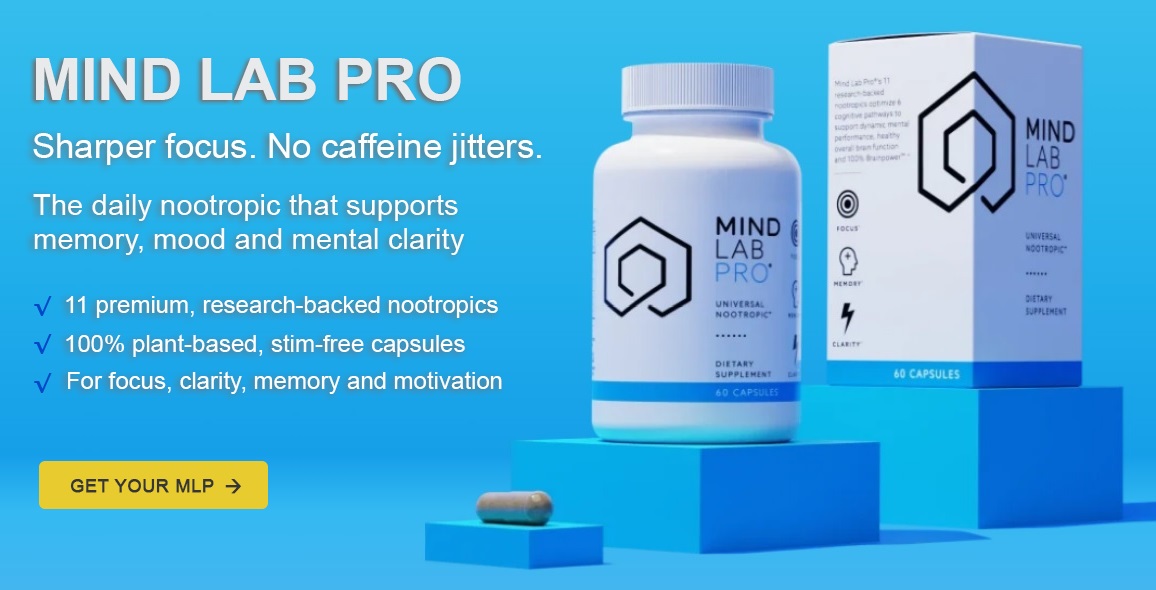
Mind Lab Pro contains all three of these ingredients, along with eight others chosen for complementary cognitive roles. What distinguishes it in a crowded market is the combination of formula transparency, meaningful doses, and the breadth of its approach. Rather than targeting a single pathway, it supports memory, focus, mental energy, and neuroprotection simultaneously, which reflects a more accurate understanding of how brain health actually works. Memory doesn’t operate in isolation. It depends on attention, processing speed, and the overall health of the neural environment surrounding it.
For someone who has their sleep reasonably sorted, exercises with some regularity, and eats a broadly sensible diet, adding Mind Lab Pro to the routine is a logical next step for supporting memory over the long term. It’s not a quick fix, and any product claiming to be one deserves skepticism. But as part of a considered approach to brain health, it earns its place.
When to Take the Concern Further
Most everyday memory lapses in healthy adults have mundane explanations and mundane solutions. But it would be irresponsible not to acknowledge that some memory changes warrant a conversation with a doctor rather than a supplement. If memory difficulties are progressing noticeably over months rather than staying stable, if they’re accompanied by significant confusion, disorientation, or personality changes, or if they’re worrying someone close to you as well as yourself, a medical evaluation is the right move. Cognitive decline that has a reversible cause, such as thyroid dysfunction, vitamin B12 deficiency, or medication side effects, is common and genuinely treatable when caught. Ruling those causes out is valuable information regardless of the outcome.
For the majority of people reading this, though, the worry about memory is best understood as a useful signal rather than a diagnosis. It’s the brain’s way of flagging that it could use more support. Sleep better. Move more. Manage stress with some deliberateness. Eat in a way that serves your brain as well as the rest of you. And consider giving your brain the specific nutritional support that a well-researched nootropic can provide.
Your memory probably isn’t failing. It’s asking for attention. That’s a very solvable problem.