

Information about brain health is not the problem. There is a great deal of it, much of it good, and most reasonably engaged adults over 60 have absorbed enough of it to know the broad strokes. Exercise is important. Sleep matters. Eat your vegetables. Stay socially engaged. Take care of stress. The knowledge is rarely the bottleneck. What tends to be harder is translating that knowledge into a clear, organized picture of what you are actually doing, what you might be missing, and where your biggest opportunities for improvement lie.
That is what this checklist is designed to provide. It is not a rigid prescription but a structured review, drawn from the strongest evidence in cognitive aging research, covering all the major domains that influence how well your brain ages. Think of it as a periodic audit: a way of stepping back from the individual pieces to see the whole picture clearly.
Physical Activity
Exercise has the most robust evidence base of any single lifestyle intervention for brain health, and it is worth reviewing your current activity against what the research actually recommends rather than against a general sense of being “active enough.”
You are meeting the aerobic threshold if you are achieving at least 150 minutes of moderate-intensity aerobic exercise per week, spread across multiple sessions rather than compressed into one or two days. Moderate intensity means you can hold a conversation but would find sustained singing difficult. Walking, swimming, cycling, and dancing all qualify. You are adding meaningful additional benefit if you include two or more sessions of resistance training per week, which research has specifically linked to improvements in executive function and working memory independent of aerobic effects. And if your current exercise involves any balance and coordination challenges, such as yoga, tai chi, or dance, you are accessing a third tier of benefit linked to motor-cognitive integration.
If any of these boxes are not currently ticked, the aerobic component should be the first priority, as it has the broadest cognitive benefit profile of the three.
Sleep Quality and Duration
Sleep is where memory consolidation happens, where the brain’s glymphatic waste-clearance system removes toxic proteins, and where neurotransmitter stores are replenished. The question to ask is not just whether you are sleeping enough hours but whether those hours are restorative.
Adults over 60 should be aiming for seven to eight hours per night in most cases. But duration is only part of the picture. If you wake frequently, feel unrefreshed in the morning, snore loudly or have been told you stop breathing in your sleep, or find yourself sleepy during the day despite adequate time in bed, sleep apnea is a possibility that warrants proper screening. Untreated sleep apnea causes nightly oxygen disruption and sleep fragmentation that significantly accelerates cognitive aging and dramatically undermines every other brain health investment.
A consistent sleep and wake schedule, a bedroom that is cool and dark, and the elimination of alcohol within three hours of bedtime are the three most impactful sleep hygiene adjustments most people can make. Alcohol may help you fall asleep but it suppresses the slow-wave sleep stages where the brain does its most important restoration work.
Diet and Nutrition
The Mediterranean dietary pattern has the strongest and most consistent evidence for cognitive protection of any dietary approach, and it translates practically into a few key habits. Oily fish, salmon, mackerel, sardines, or herring, should appear on the plate at least twice per week, providing the DHA that brain cell membranes and neuronal signaling depend on. A generous daily intake of colorful vegetables and a daily portion of berries provides polyphenols and antioxidants that directly reduce neuroinflammation. Extra virgin olive oil, used generously as a primary fat, contributes oleocanthal, a compound with well-documented anti-inflammatory properties in the brain. A handful of mixed nuts daily, particularly walnuts, adds further omega-3s, vitamin E, and polyphenols.
On the removal side, the foods most consistently linked to accelerated cognitive aging, ultra-processed products high in refined carbohydrates, added sugars, and industrial seed oils, deserve more active reduction than most people apply. They drive systemic inflammation, disrupt the gut microbiome whose signals influence brain chemistry, and contribute to blood sugar volatility that directly impairs cognitive clarity.
Nutritional Supplementation
Even a well-designed diet leaves gaps that become more significant as metabolic efficiency declines with age. A few targeted supplements have genuine clinical evidence for supporting brain health in older adults and deserve consideration.
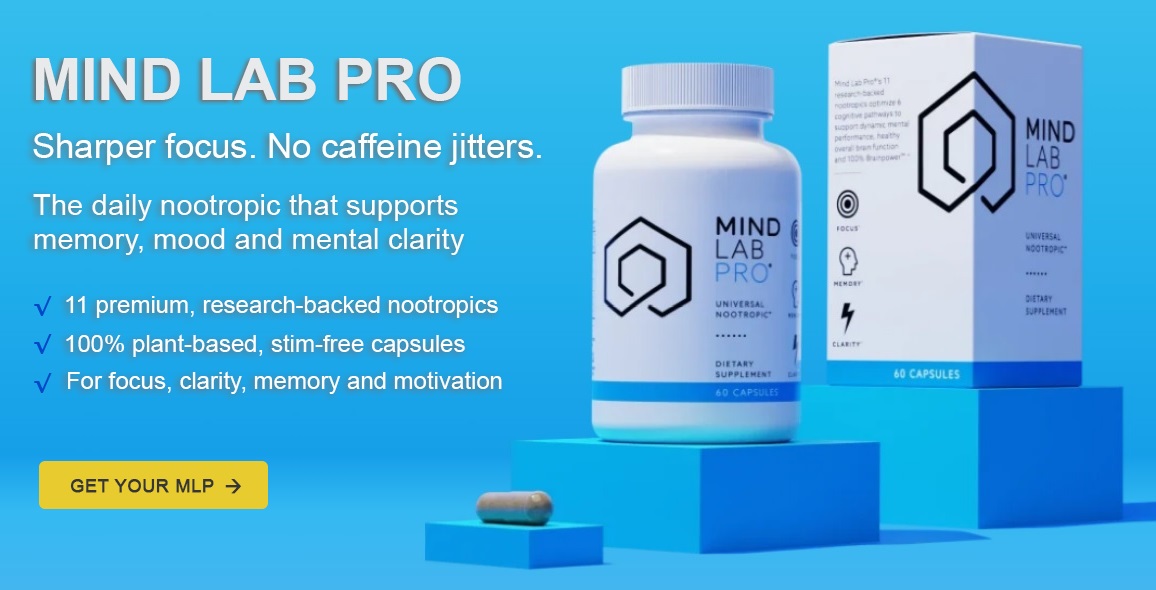
Citicoline supports acetylcholine production and brain cell membrane integrity. Phosphatidylserine maintains the structural fluidity of neuronal membranes and has an FDA-qualified health claim for its potential role in reducing cognitive dysfunction risk. Bacopa Monnieri has multiple controlled trials demonstrating improvements in memory consolidation after consistent use. Lion’s Mane mushroom stimulates Nerve Growth Factor production. Rhodiola Rosea reduces mental fatigue and moderates the cortisol response that drives hippocampal stress damage. L-Theanine supports calm, focused alertness. L-Tyrosine provides the precursor to dopamine and norepinephrine. A well-formulated multi-ingredient supplement covering all of these provides comprehensive nutritional support without the complexity of managing multiple separate products.
Cognitive and Intellectual Engagement
Mental stimulation builds cognitive reserve, the brain’s accumulated resilience against age-related change, but the quality of that stimulation matters as much as the quantity. Activities with the strongest evidence are those that combine novelty with genuine complexity: learning a new language, mastering an instrument, studying an unfamiliar academic subject, or engaging in creative work that grows progressively more challenging as skills develop.
Reading, conversation, and general curiosity all contribute, but the most protective cognitive engagement is the kind that requires the brain to form genuinely new pathways rather than efficiently executing already-mastered skills. If an activity no longer requires noticeable effort, it has probably lost most of its cognitive training value.
Social Connection
Social isolation is a documented risk factor for cognitive decline of comparable magnitude to physical inactivity, a fact that surprises many people but is supported by substantial research. Regular meaningful social contact, relationships characterized by genuine engagement, emotional reciprocity, and intellectual exchange, should be treated as a brain health essential rather than a lifestyle luxury.
The checklist question here is whether your social life involves genuine depth rather than just surface-level frequency. Brief transactional interactions do not provide the same cognitive and emotional engagement as sustained relationships with people whose company you find genuinely stimulating. If social connection has narrowed significantly in recent years, actively working to rebuild it is as legitimate a brain health priority as adjusting your supplement regimen.
Stress Management
Chronic psychological stress elevates cortisol in ways that directly damage the hippocampus, suppress memory consolidation, and promote the neuroinflammation that accelerates cognitive aging. Managing stress is therefore not a soft wellness recommendation but a hard cognitive health imperative.
The question worth asking is whether you have an active, consistent stress management practice, not whether you occasionally do something relaxing. Exercise, mindfulness meditation, time in nature, creative engagement, and maintained social connection all have evidence for reducing chronic cortisol. The most effective approach is one that fits naturally into your life and that you will actually maintain consistently rather than the theoretically best approach that you will abandon after two weeks.
Medical Monitoring
Several medical conditions and deficiencies can produce or accelerate cognitive decline and are either underdiagnosed or inadequately treated in older adults. Vitamin B12 deficiency, hypothyroidism, hypertension, type 2 diabetes, and depression all have documented negative effects on cognitive function and all respond to appropriate treatment. Regular blood work that includes B12, thyroid function, blood glucose, and inflammatory markers provides the information needed to catch and address these contributors before they accumulate significant impact.
A medication review is also worthwhile. Many commonly prescribed drugs, including certain antihistamines, bladder medications, and sleep aids with anticholinergic properties, directly impair memory and cognitive function. If cognitive changes have coincided with the introduction of any medication, raising that connection explicitly with your prescribing physician is a reasonable and often productive step.
Brain health at 60 and beyond is a composite achievement, built from consistent choices across multiple domains. No single intervention dominates the picture. The most cognitively resilient older adults are typically those who are doing reasonably well across most of these categories rather than exceptionally well in one or two while neglecting the others. This checklist is a starting point for that honest assessment.