

Stress is not always loud. Sometimes it is a quiet hum that follows you through the day, tightening your shoulders, speeding up your thoughts, and making small problems feel like big ones. Emotional balance, on the other hand, is not about being cheerful all the time. It is about being steady. You can feel upset and still feel grounded. You can feel anxious and still have enough breathing room to choose your next step.
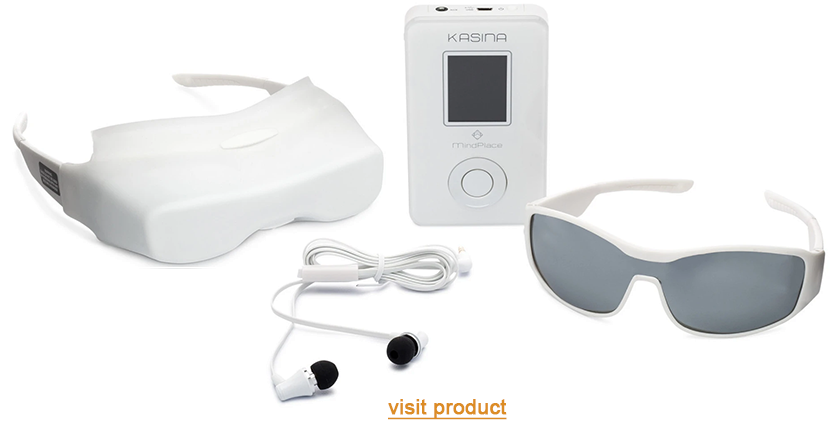
Neural entrainment is one tool some people use to support that steadiness. By using rhythmic sound (and sometimes light, though audio is the safer and more common choice), entrainment may help calm the nervous system, reduce mental chatter, and create a predictable cue for relaxation. It is not therapy, and it is not a replacement for addressing the causes of stress, but it can be a useful part of a daily regulation routine.
Here we explain how stress affects brain and body rhythms, how entrainment may support emotional balance, practical ways to use it, and important safety notes so you can experiment wisely.
Contents
What Stress Does To The Brain And Nervous System
Stress is a whole-body state. When the brain detects threat, whether it is physical danger or a looming deadline, it increases arousal. Heart rate rises, breathing becomes shallower, muscle tone increases, and attention narrows. This is useful when you need to act quickly, but exhausting when it becomes your default.
Chronic stress often creates a cycle: your body feels tense, your mind interprets that tension as more threat, and your thoughts become more vigilant. Emotional balance becomes harder because the nervous system is primed for reaction. In that state, your brain has less patience, less flexibility, and less room for nuance.
Stress And The “Noisy Mind”
Many stressed people describe their minds as noisy: constant thinking, looping worries, difficulty focusing, and trouble settling at night. This noise is not a character flaw. It is the brain scanning for solutions and trying to regain control. The problem is that scanning becomes self-perpetuating, like checking the fridge every five minutes and being surprised that nothing new has appeared.
What Neural Entrainment Is In This Context
Neural entrainment refers to the brain’s tendency to synchronize some activity with rhythmic external input. In wellness settings, entrainment usually means rhythmic audio patterns such as binaural beats, monaural beats, isochronic tones, or gentle pulsing embedded in ambient music. The practical goal is not to “force” the brain into a specific frequency. It is to offer a steady, predictable rhythm that supports downshifting.
When you are stressed, predictability helps. A steady rhythmic stimulus can become an anchor for attention and a cue for relaxation. Over time, your nervous system can learn the pattern: “When this starts, we settle.” That learned association can be as valuable as the immediate sensory effect.
How Entrainment May Support Stress Reduction
People often experience stress reduction in two layers: immediate calming during a session and longer-term benefits from repeated regulation practice. Entrainment can potentially support both, depending on how it is used.
It Can Stabilize Attention
Stress tends to scatter attention. Your mind jumps between worries, tasks, and imagined future problems. A rhythmic sound gives attention a simple target. Even if your thoughts wander, the rhythm remains, making it easier to return. This is similar to how a breath practice works, but with an external anchor.
It Can Encourage A Downshift In Arousal
Many entrainment sessions aimed at relaxation use slower rhythms and softer sound beds. Combined with a quiet environment, this can encourage a downshift in the body’s arousal level. People often describe feeling less tense, breathing more slowly, and having fewer racing thoughts. This is not guaranteed, but it is a common reason people return to the practice.
It Can Create A Reliable Daily “Reset”
Emotional balance improves when you have regular resets. Without resets, stress accumulates like dishes in a sink. Even a short daily entrainment session can be a reset ritual that breaks the build-up. The ritual itself matters: same time, same place, same calm routine. Your brain begins to anticipate relief.
Emotional Balance, What It Really Means
Emotional balance is not emotional flatness. It is the ability to experience feelings without being hijacked by them. Stress makes hijacking more likely because your nervous system is already on edge. When you reduce baseline arousal, you create space between stimulus and response.
More Space, More Choice
When you are calmer, you can notice emotions earlier, before they escalate. You can respond with more skill: take a breath, reframe a thought, ask for support, or step away. Entrainment can be one way to practice creating that space, especially if you pair it with simple awareness practices.
How To Use Entrainment For Stress And Balance
If you want to use entrainment for stress, treat it like a regulation practice rather than a “fix.” The goal is to train the nervous system toward steadier patterns over time.
Choose Gentle Audio First
Start with calming, non-jarring tracks. If the pulses feel sharp or irritating, pick a softer soundscape or a track where the rhythm is embedded in ambient music. Many people do best with audio that feels soothing rather than “scientific.” Your nervous system does not care about labels. It cares about comfort.
Use Short Sessions Consistently
Consistency beats intensity. Try 10 to 20 minutes once a day for a week, ideally at the same time. A mid-afternoon reset can reduce evening stress. A pre-bed session can support sleep wind-down. Pick one time slot and keep it simple.
Pair It With Breathing Or Body Relaxation
Entrainment works well when paired with a basic downshift technique: longer exhales, progressive muscle relaxation, or a body scan. The rhythm provides structure, and the body practice provides a clear calming pathway. Together they often feel more effective than either alone.
Track Your Response, Not The Claims
Instead of hunting for the “perfect frequency,” track how you actually feel. Before your session, rate your stress from 1 to 10 and note where you feel tension in your body. After the session, rate again. If your number drops and you feel more grounded, keep going. If you feel worse, change tracks or stop. Your nervous system is the authority here.
Common Problems And How To Handle Them
Entrainment is not one-size-fits-all. Here are common issues and straightforward fixes.
“It Makes Me Anxious”
If a track makes you anxious, it is too stimulating for you right now. Lower the volume, switch to a softer track, or use nature sounds instead. Also check your context. If you are listening while doom-scrolling or worrying about tomorrow, the audio may not stand a chance. Create a calmer setting first.
“My Mind Still Wanders”
That is normal. The goal is not to stop thoughts. The goal is to notice wandering and return gently. If you can return 20 times, that is 20 reps of emotional regulation. Wandering is not failure, it is the workout.
“I Feel Nothing”
Sometimes entrainment is subtle. If you feel nothing, try a different style or use it as background while doing a relaxation practice. You can also experiment with session timing. Some people respond better in the afternoon than at night, or vice versa. If after a few trials it still does nothing, that is useful information. Choose other regulation tools.
Building Emotional Balance Over Time
Emotional balance is built the same way physical balance is built: practice. You wobble, you correct, you get steadier. Entrainment can be one practice that helps you downshift daily and reduce baseline stress, which makes it easier to respond thoughtfully when life gets messy.
If you want a simple plan, try this: one 15-minute calming session daily for two weeks, paired with slow breathing and a short note afterward about how you feel. Add one non-negotiable stress support habit: a walk, a bedtime wind-down, or a five-minute stretch. The combination is where the magic happens, and it is not mystical magic, it is nervous system training.