

Some wellness gadgets feel like they were designed by a committee that never met a real human. Tiny buttons, confusing menus, and a setup process that makes you question your life choices. NeoRhythm is not that kind of device.
NeoRhythm (by OmniPEMF) is a portable PEMF wearable built around one main idea: if you can nudge the brain toward a specific rhythm, you may be able to make it easier to relax, focus, energize, or fall asleep. It aims to do that through brainwave entrainment using pulsed electromagnetic fields (PEMF), delivered through coils positioned to target different areas depending on the program.
This review covers what NeoRhythm is, how it works, what using it is like day to day, and the practical safety considerations you should take seriously. I will keep it real: this is not a magic headband, but it is a thoughtfully designed tool that can fit nicely into a brain health routine when expectations are reasonable.
Contents
What NeoRhythm Is And What It Claims To Support
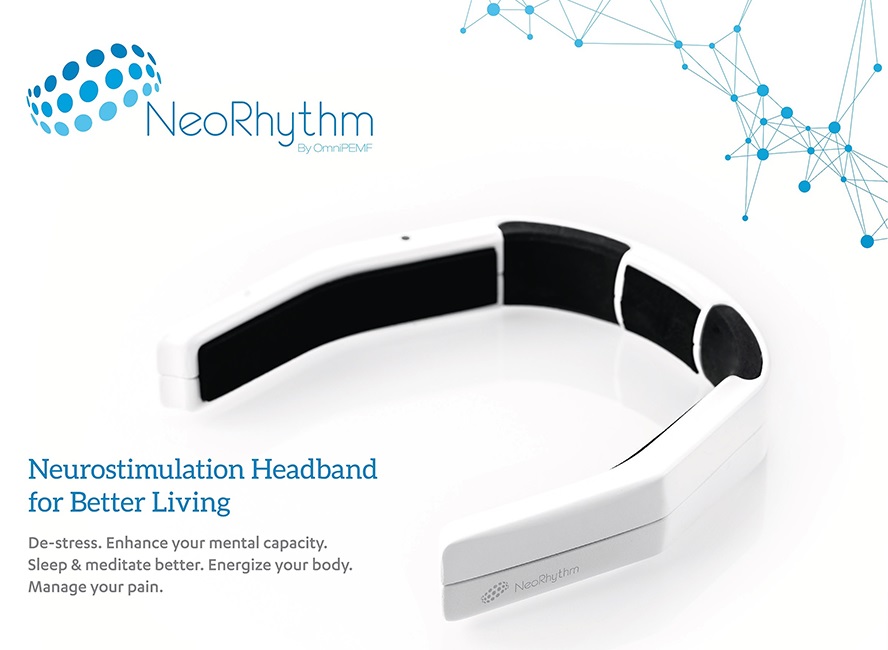
NeoRhythm is a gesture-controlled neurostimulation headband that emits low- and medium-intensity pulsed electromagnetic fields. The device is designed to help users reach specific “states” by delivering scientifically supported frequencies that the brain may synchronize with (a phenomenon often called brainwave entrainment). The stated goals include easing stress, sharpening focus, supporting sleep, improving meditation sessions, boosting energy, and supporting people who are trying to live well with pain.
Two things stand out immediately:
- It is wearable and portable. You are not tethered to a wall, a clinic, or a complicated setup.
- It is designed for repeatable routines. The manual recommends consistent use for general wellness, and also notes that benefits may build over days to weeks rather than appearing instantly.
If you have tried breathwork, meditation apps, or white noise tracks, you already understand the general vibe here. NeoRhythm is another approach to the same goal: helping your nervous system and brain settle into a better groove, only it uses electromagnetic pulses instead of sound or coaching.
How PEMF Brainwave Entrainment Works In Plain English
Let’s translate the science into something you can picture.
Your brain is always producing electrical activity. When people talk about “brainwaves,” they are referring to patterns of that activity that tend to show up during certain states. For example, many people associate slower rhythms with relaxation and sleepiness, and faster rhythms with alertness and focused work.
NeoRhythm uses pulsed electromagnetic fields to deliver specific frequencies. In the manual’s description, the brain can synchronize with those frequencies to support a desired state, such as relaxation, focus, or sleep readiness. NeoRhythm also emphasizes that coil placement matters, because different positions aim to target different brain locations for different effects.
What It Feels Like
Most people do not “feel” PEMF as a strong sensation. NeoRhythm includes a small magnetic test tube so you can confirm a program is running. When you place the tube against the device, you can hear the pulse pattern. That is useful because it answers the classic question, “Is this thing even on?” without needing to guess.
The manual also gives an intuitive example: a sleep-oriented program will sound like a slower beat pattern, while a mental performance oriented program sounds much faster. You are literally hearing the difference in frequency, which makes the concept far less abstract.
Programs, Practical Use Cases, And Who They Tend To Fit
NeoRhythm is built around multiple programs, each paired with a recommended head position shown in the app. While the exact list can vary by app version and updates, the device is framed around common goals like sleep support, relaxation, meditation, mental performance, and energy.
Here are realistic ways people tend to use it, based on the device design and typical brain health routines.
Focus And Mental Capacity Support
If your brain feels like a browser with 37 tabs open, you are the target audience for a focus program. Many users choose these sessions before deep work, study blocks, or creative tasks. In practice, the value is often less about becoming a superhero and more about reducing mental friction. When you can settle faster, you waste less time staring at your screen while your mind argues with itself.
Relaxation And Downshifting After Stress
Relaxation programs are often used as a bridge between “busy brain” and “rested brain.” Think of it like taking your nervous system out of fifth gear. Some people use this after work, before social events (if anxiety ramps up), or as a reset on days when stress sticks to you like lint on a sweater.
Sleep Support And Bedtime Routines
Sleep is where many people put their highest hopes. NeoRhythm’s sleep-oriented sessions are designed to encourage calmer brain rhythms that make it easier to drift off. A practical way to use it is as part of a consistent wind-down routine: dim lights, reduce screens, and run a session while you read something boring enough to lull you, but interesting enough to keep you from doomscrolling.
Daily Experience: Setup, Controls, Comfort, And Portability
This is where NeoRhythm earns a lot of points. The device was clearly designed for people who want something simple.
Gesture Controls (No Buttons, No Fuss)
NeoRhythm uses tap controls. You tap once to wake it, then double-tap to start or stop. A short vibration confirms the start, and two short vibrations confirm stopping. The LED indicators tell you what is happening, such as whether it is connected via Bluetooth, charging, running a program, or sitting in standby.
Translation: you do not need to hunt for a button in the dark while half-asleep. That matters more than you might think.
App Use And The Bluetooth Choice
The app is used to select programs and adjust settings. After that, you can often run the last-used program without your phone, which is great for bedtime use. There is also a setting that allows Bluetooth to stay on during stimulation or turn off during the session. Keeping it on gives you a progress bar and easier program switching. Turning it off reduces extra emissions from Bluetooth itself, but you lose the live timer and some session syncing convenience.
I like that you get the choice. It lets you prioritize simplicity or “cleaner” sessions depending on your preferences.
Fit And Comfort
The headband is designed to fit most head shapes, and it includes an adjustment kit with extra pads of different thicknesses. That is a practical touch because comfort is not optional if you are trying to relax or fall asleep. The manual also notes that small position adjustments (within a few centimeters) generally do not meaningfully reduce effectiveness, which helps if you need to tweak fit.
Battery, Charging, And The Real-World Stuff
NeoRhythm charges via a dock and micro USB. It is not waterproof, so you do not treat it like a shower speaker. The manual recommends avoiding bending or stretching it, since that can damage the coils and hardware. There is also a “lock” function in the app that fully shuts it down for travel, preventing accidental activation in a bag.
These details may sound boring, but they are the difference between a device you use for months and a device that becomes an expensive paperweight.
Pros, Cons, And Who NeoRhythm Makes Sense For
Pros
- Simple controls and strong usability. Tap to start, tap to stop, vibrations and LEDs confirm what is happening.
- Designed for repeatable routines. You can run the last-used program without your phone, which is ideal for sleep use.
- Adjustable fit. The pad kit helps comfort, which supports consistency.
- Clear safety guidance. Contraindications are spelled out, which is responsible and helpful.
- Test tube for verification. You can confirm the device is pulsing without guessing.
Cons
- You still need an app for program changes. If you hate phone-based setup, you will notice it.
- Not water-resistant. It needs basic care and common sense around moisture.
Best Fit
NeoRhythm is a strong match for people who want a structured way to support focus, relaxation, and sleep as part of a broader routine. It is also a good match for people who have tried meditation but struggle to get into the zone consistently, and for those who like guided tools rather than pure willpower.
How To Get The Most From It
If you want the most practical results, treat NeoRhythm like a “brain state trainer,” not a lottery ticket.
- Pick one goal for two weeks. For example, sleep support only, then reassess.
- Pair it with a matching habit. Use a sleep session with dim lighting and a consistent bedtime, not with bright screens and caffeine.
- Keep notes like a scientist. Track sleep onset time, how you feel in the morning, and stress levels. Memory is a comedian, it exaggerates.
- Stay within comfort. Adjust the pads and position so the device feels stable and easy to wear.
- Respect the safety list. If you have any of the listed contraindications, skip it and talk to a clinician.
Used this way, NeoRhythm becomes what it is meant to be: a convenient, non-invasive helper for shifting gears when your brain refuses to cooperate.
NeoRhythm is one of those rare wellness devices where the everyday experience matches the promise of “easy to use.” The gesture controls, program structure, and thoughtful accessories make it feel built for real life, not just marketing photos. If you are looking for support with focus, relaxation, or sleep, and you are not in a contraindicated group, it is a compelling option to consider as part of a bigger brain health plan.