

Technology is a little like hot sauce. A small amount can make everything better, but when it is poured on every meal, eventually your brain starts waving a tiny white flag.
Most of us do not just “use screens,” we live inside a stream of notifications, feeds, tabs, chats, and video snippets designed to compete for attention. The result is not always dramatic burnout. Often it is subtler: a mind that feels jumpy, sleep that feels lighter, focus that feels slippery, and a nervous system that struggles to settle even when the day is done.
The goal is not to reject technology. The goal is to build a relationship with it that supports your brain, instead of constantly poking it with a stick. Here is how overstimulation happens, how to recognize it, and what to do about it in a realistic way.
Contents
- What Overstimulation Looks Like in the Brain
- Why Technology Can Be So Mentally “Sticky”
- How Overstimulation Affects Focus, Mood, and Sleep
- Signs You Need a Tech Reset (Without the Drama)
- Practical Strategies That Protect Brain Health
- Using Technology to Support Brain Health
- The Goal Is a Calmer Attention Life
What Overstimulation Looks Like in the Brain
Your brain is excellent at adapting, but it still has limits. Overstimulation happens when the volume of inputs and decisions stays high for long stretches of time. That includes not only work tasks, but also the “micro-inputs” that feel harmless: checking a message, glancing at a headline, watching one short video that becomes twelve.
From a brain health perspective, overstimulation often shows up as:
- Fragmented attention: you start tasks easily but bounce off them quickly.
- Increased reactivity: you feel more irritable, anxious, or emotionally “hair-trigger.”
- Sleep that feels less restorative: you fall asleep, but wake up feeling like your brain did not fully power down.
- Decision fatigue: simple choices feel oddly exhausting.
- Restlessness in quiet moments: silence feels uncomfortable, like something is missing.
None of this means you are broken. It means your brain is responding normally to an environment that is not normal from an evolutionary standpoint.
Why Technology Can Be So Mentally “Sticky”
Most modern platforms are built to be engaging, and engagement often means novelty. Novelty is a powerful brain signal. It keeps attention alert because new information might be useful, important, or rewarding. This is great when you are learning a skill, but it becomes messy when novelty is endless.
Novelty, Reward, and the Attention Loop
When you scroll, refresh, or check notifications, your brain is essentially running a tiny prediction game: “What will I get next?” Sometimes it is boring, sometimes it is interesting, and that unpredictability is part of the pull. You do not need to know the neuroscience terms to recognize the effect. It is the same reason people keep pulling a slot machine lever. The next result might be the good one.
Micro-Interruptions Add Up
Even short interruptions force your brain to switch contexts. Switching has a cost, because the brain has to rebuild the mental map of what it was doing. If your day is full of tiny switches, you can end it feeling busy but strangely unaccomplished.
How Overstimulation Affects Focus, Mood, and Sleep
Overstimulation does not just “feel annoying.” It changes how your brain performs in three big areas that matter for brain health: attention, emotional balance, and recovery.
Focus Becomes More Effortful
When your brain is trained on rapid switching, slow tasks can feel uncomfortable. Reading long-form content, writing, studying, or deep thinking may trigger an urge to check something else. That urge is not laziness. It is a learned pattern. The good news is that learned patterns can be unlearned, and replaced.
Mood Becomes More Reactive
High input days often come with higher emotional reactivity. This can look like feeling stressed without a clear reason, snapping at small annoyances, or feeling “wired” even when you are tired. Your nervous system is getting constant signals that something might require attention, and it stays on standby.
Sleep Gets Crowded
Sleep depends on a smooth transition from alertness to rest. Late-night stimulation, bright screens, and emotionally charged content can make the brain stay mentally engaged long after you put the phone down. The result can be longer time to fall asleep, lighter sleep, or waking up with a mind that restarts quickly.
Signs You Need a Tech Reset (Without the Drama)
You do not need to delete every app and move to a cabin. You just need to notice patterns. Here are common signs your brain would appreciate a reset:
- You check your phone automatically, even when there is no reason.
- You feel restless during meals, walks, or quiet moments.
- You struggle to read or watch anything longer than a few minutes without switching.
- You feel “tired but revved up” at night.
- You have a hard time starting meaningful tasks, even ones you care about.
If two or three of these feel familiar, you are not alone, and you are not doomed. You are simply due for better boundaries.
Practical Strategies That Protect Brain Health
Balance is not achieved by grand gestures. It is achieved by small, repeatable choices that reduce noise and increase recovery. Here are strategies that work in the real world.
Create “Input Windows” Instead of Constant Input
Instead of checking messages and feeds all day, try setting a few intentional windows, for example mid-morning, mid-afternoon, and early evening. Outside those windows, keep notifications limited to truly important people or events.
This protects attention because your brain learns that it does not need to stay on standby all day. It can focus, then check, then return to focus.
Use One Screen at a Time
Second-screen habits are sneaky. Watching a show while scrolling, eating while reading headlines, listening to a meeting while responding to messages, this trains the brain to expect constant stimulation. Choose one primary activity whenever possible. Your attention will feel calmer within days.
Build a Daily “Downshift” Ritual
Overstimulation is often a transition problem. You go from high-input daytime to bedtime without a bridge. Create one. A downshift ritual can be as simple as:
- Dim lights and reduce screens 60 minutes before bed
- Take a warm shower or do light stretching
- Read a physical book or listen to calm audio
- Write a short “tomorrow list” to offload worries
Consistency matters more than intensity. The brain loves predictable cues.
Train Deep Work Like a Skill
If focus has been fragmented, start small. Protect a 25-minute block once per day. During that block, remove the obvious triggers: phone out of reach, notifications off, and a single clear task. Over time, increase the block length. This is how you rebuild attention stamina.
Using Technology to Support Brain Health
Here is the fun twist: technology can also support recovery and mental clarity when it is used intentionally. The key is choosing tools that reduce noise rather than add it.
Supportive Tech Choices
- Timers and focus apps: simple tools that protect deep work blocks.
- Sleep-friendly settings: warm display modes, screen dimming, and scheduled downtime.
- Audio for relaxation: steady soundscapes, guided breathing, and calming playlists.
- Non-invasive wellness devices: tools designed to support state shifts like relaxation, focus, or sleep readiness.
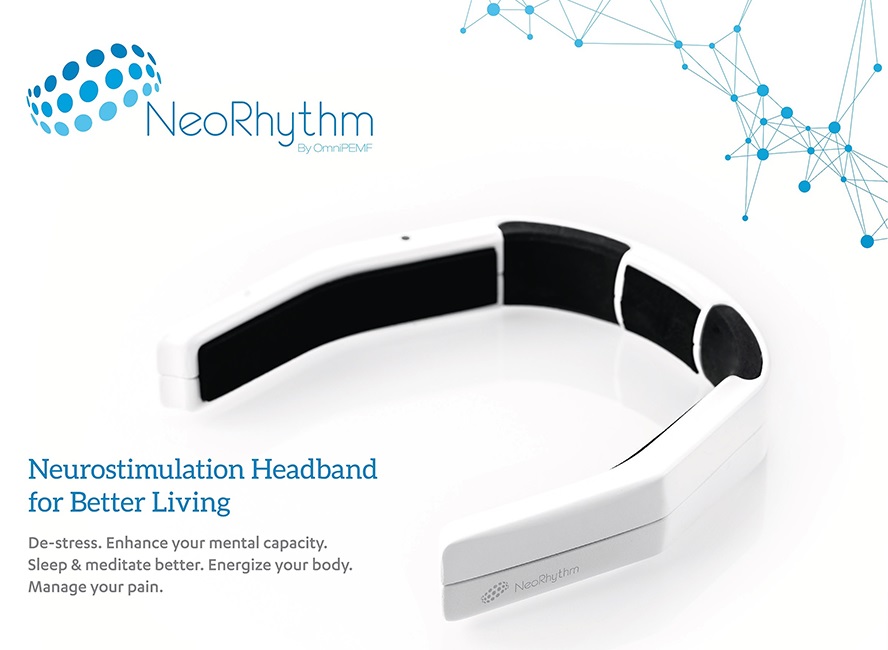
In the wellness-device category, some people incorporate pulsed electromagnetic field (PEMF) sessions as part of a routine, especially when they want a consistent cue for winding down or settling into focused work. A wearable example is NeoRhythm, which offers frequency-based programs aimed at different mental states.
The Goal Is a Calmer Attention Life
Technology is not the enemy. Unstructured input is. When you shape your day with a few boundaries and a few recovery cues, your brain gets the message that it can focus deeply, rest fully, and stop scanning for the next ping.
That is what balance looks like: not less life, just less mental noise in the parts of life where you want clarity.