
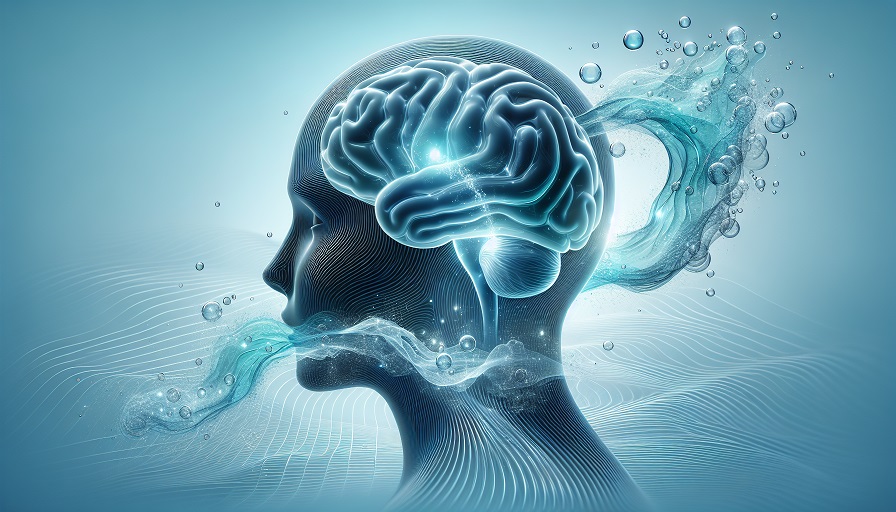
Hydrogen is the simplest element on the periodic table. It is also the most common element in the universe. Somehow, it has now wandered into wellness conversations like a quiet person who suddenly shows up at karaoke and crushes it. People are talking about molecular hydrogen as something you can drink (hydrogen water) or inhale (hydrogen gas) for potential health benefits.
The brain-health question is natural: could molecular hydrogen have anything to do with memory, mental clarity, or resilience as the brain ages? The most accurate answer is measured: researchers are interested because the biology makes some sense, but the human evidence for cognitive outcomes is still limited. That combination, plausible mechanisms plus incomplete proof, is exactly where many emerging health topics live for a while.
Here we explain what molecular hydrogen is, why it is being studied in the context of brain aging, what the evidence looks like, and how to interpret the claims with a clear head.
Contents
What Molecular Hydrogen Actually Is
Molecular hydrogen is hydrogen gas in its most common form: two hydrogen atoms bound together, written as H2. This matters because “hydrogen” in everyday language can refer to several different things. Hydrogen in water (H2O) is not the same as hydrogen gas (H2). Hydrogen ions (H+) are different again. When people discuss hydrogen water, they mean water that has extra dissolved H2 gas in it.
H2 is a small, neutral molecule. That “small and neutral” part is a big reason it gets attention. In theory, tiny neutral molecules can move through the body more easily than larger compounds. Supporters argue this allows H2 to diffuse into tissues and cells where oxidative stress and inflammation occur.
Hydrogen Water vs Hydrogen Gas Inhalation
Two delivery methods show up most often:
- Hydrogen-rich water: drinking water infused with dissolved H2 gas (from tablets, bottles, or machines that generate hydrogen).
- Hydrogen gas inhalation: breathing low concentrations of hydrogen mixed with air, using equipment intended for that purpose.
Both approaches aim to raise the amount of molecular hydrogen in the body for a limited time. A practical detail that often gets missed: hydrogen is a gas. It does not “store” in the body the way some nutrients do, and it is also exhaled. This is one reason many protocols emphasize repeated exposure rather than a single use.
Why Molecular Hydrogen Is Linked to Brain Aging
Brain aging is not one switch that flips on a birthday. It is a collection of interacting changes: oxidative stress tends to rise, inflammation can become more chronic, blood flow may decline, mitochondria can become less efficient, and repair systems can lose speed. If that sounds like a complicated machine slowly getting out of tune, that is not far off.
Molecular hydrogen has attracted scientific interest because it may influence several of these processes. The main ideas are usually grouped into three buckets: oxidative stress, inflammation, and cellular energy.
Oxidative Stress and the “Rust” Problem
Oxidative stress is often described as biological “rust.” The metaphor is imperfect but helpful. Cells produce reactive molecules called reactive oxygen species (ROS). In normal amounts, ROS help with signaling and immune defense. In excess, they can damage fats, proteins, and DNA.
The brain is especially sensitive to oxidative damage. It consumes a lot of oxygen, it relies heavily on fats (which can oxidize), and many neurons are not easily replaced. Researchers studying brain aging often look at oxidative stress as one of the drivers that can gradually chip away at function.
Hydrogen is frequently described as a selective antioxidant. The idea is not to erase all ROS, which would be counterproductive, but to reduce the most damaging reactive species while leaving useful signaling pathways intact. Whether and how consistently this plays out in real-world human use is still being studied.
Inflammation and the Brain’s Immune Balance
Inflammation is a normal defense and repair process, but it can become chronically elevated with aging, metabolic dysfunction, stress, or disease. In the brain, immune cells called microglia help manage threats and cleanup. Over time, microglia can shift toward a more inflammatory state, which may contribute to an environment that is less supportive of healthy neurons and synapses.
Because molecular hydrogen is studied for anti-inflammatory signaling effects in multiple contexts, researchers have asked whether it could influence inflammation-related pathways relevant to brain aging. This does not mean hydrogen “turns off” inflammation. It means it may, in some situations, help regulate excessive inflammatory activity.
Mitochondria and Brain Energy Reliability
Mitochondria are often called the cell’s power plants. The brain’s energy demand is high, and cognitive performance can feel worse when energy metabolism is impaired. Some research discussions around molecular hydrogen include potential effects on mitochondrial function and redox balance. Even modest improvements in cellular stress handling could matter in settings where the brain is under higher-than-normal strain.
Think of it like a city power grid. If the system has fewer brownouts, daily life runs smoother, even if the power plant itself has not been rebuilt from scratch.
What the Research Actually Shows So Far
Hydrogen research includes lab work, animal studies, and a growing number of human studies across various outcomes. When the focus is specifically on brain aging and cognition, the picture is best described as interesting, early, and incomplete.
Animal and Lab Studies Offer Signals
In animal models, hydrogen-rich water and hydrogen gas have been studied for effects related to oxidative stress, inflammation, and neuroprotection. Some studies report improvements in biological markers associated with cellular stress and, in certain models, better performance on memory or learning tasks. These findings support the idea that hydrogen could influence pathways relevant to brain aging.
At the same time, animal studies do not guarantee the same results in humans. Differences in physiology, dosing, and experimental control can make translation difficult. Animal research is best treated as a source of hypotheses, not as proof of human benefit.
Human Data Exists, But For Now Cognitive Claims Should Stay Modest
Human studies of molecular hydrogen have looked at many domains, including oxidative stress markers, inflammation-related outcomes, fatigue, and metabolic measures. Some findings are promising in specific contexts, but large, long-term trials focused primarily on cognitive outcomes in broad populations are still limited.
For brain aging, that means it is reasonable to say: molecular hydrogen is being investigated for mechanisms that matter to aging biology, while definitive claims about improved cognition or prevention of neurodegenerative disease are not established.
Delivery Method Complicates Comparisons
Hydrogen water and inhalation are not identical. Inhalation can increase hydrogen levels more quickly and, depending on protocol, potentially to higher levels. Hydrogen water is more convenient and easier to integrate into daily routines. Comparing the two is not straightforward because studies use different concentrations, exposure times, and outcome measures.
In practical terms, it is more accurate to view them as two tools with different tradeoffs rather than direct substitutes.
How to Think About Hydrogen Claims for Brain Aging
Because molecular hydrogen sits at the intersection of real research and enthusiastic marketing, a simple framework helps.
Focus on Mechanisms, Not Guarantees
The most defensible connection to brain aging is mechanistic: oxidative stress and inflammation contribute to age-related decline, and hydrogen is being studied for potential effects on redox balance and inflammatory signaling. This is different from claiming that hydrogen water improves memory or prevents dementia.
Hold Space for Placebo and Context
Many wellness interventions create noticeable “benefits” through expectation, improved routines, and attention to health habits. Placebo effects are real and powerful, especially for subjective outcomes like clarity, energy, and mood. That does not mean people are imagining things, it means the brain is deeply involved in how the body feels.
For that reason, any perceived cognitive lift from hydrogen water may be influenced by the broader context: hydration, sleep, stress, caffeine intake, exercise, and diet. Hydrogen might be one variable in a much bigger equation.
Keep the Foundation First
If molecular hydrogen has a role in brain aging, it is most sensibly viewed as a potential add-on, not the base of the pyramid. The strongest brain-aging interventions remain lifestyle fundamentals: consistent sleep, physical activity, metabolic health, social connection, and a diet pattern that supports vascular and mitochondrial health.
Practical Questions People Commonly Ask
What Would “Trying Hydrogen Water” Look Like?
Most consumer use involves drinking hydrogen-rich water daily, sometimes more than once per day. Others use inhalation sessions according to device guidance. Because protocols vary and the science is still developing, the most reasonable approach is to start conservatively, follow manufacturer instructions, and track changes over time using simple measures such as sleep quality, perceived mental clarity, and energy.
Is Molecular Hydrogen Safe?
In research and consumer contexts, molecular hydrogen is generally discussed as well-tolerated at typical concentrations. Still, individual circumstances matter. Anyone with medical conditions, respiratory issues, implanted medical devices, or medication regimens should consult a qualified clinician before using new wellness devices or experimenting with inhalation protocols.
Why Are Some Devices Expensive?
Hydrogen products can be costly because they involve electrolysis hardware, gas handling, and claims around purity and output. Whether a high price is “worth it” depends on build quality, verified performance, and personal priorities.
A Clear Takeaway
Molecular hydrogen (H2) is being studied for brain aging because it may influence oxidative stress, inflammation, and cellular energy, three themes that matter in aging biology. The research includes encouraging signals, especially in lab and animal studies, and a growing but still limited human evidence base for cognition-specific outcomes.