

You have read about the research. You find the idea of brainwave entrainment through sound genuinely interesting, and the stress-reduction angle makes a lot of sense from a cognitive health standpoint. But somewhere between “this seems compelling” and “I actually have a singing bowl on my desk and know what to do with it,” there is a gap. This article is designed to close that gap.
Think of this as a practical, no-mysticism-required guide to incorporating Tibetan singing bowls into a brain health routine. We will cover how to choose a bowl, how to play it, what a session might look like, and how to think about building the habit over time. The goal is straightforward: help you get the neurological benefits the science points toward without needing to book a wellness retreat or learn ancient Sanskrit.
Contents
Choosing Your Bowl: What Actually Matters
Walk into any metaphysical shop or browse online for five minutes, and you will quickly discover that singing bowl marketing can get delightfully esoteric. Claims about sacred metals, chakra alignment frequencies, and bowls tuned to specific organs abound. Most of that is more folklore than fact. Here is what the research and acoustic science actually suggest you pay attention to.
Metal Bowls Versus Crystal Bowls
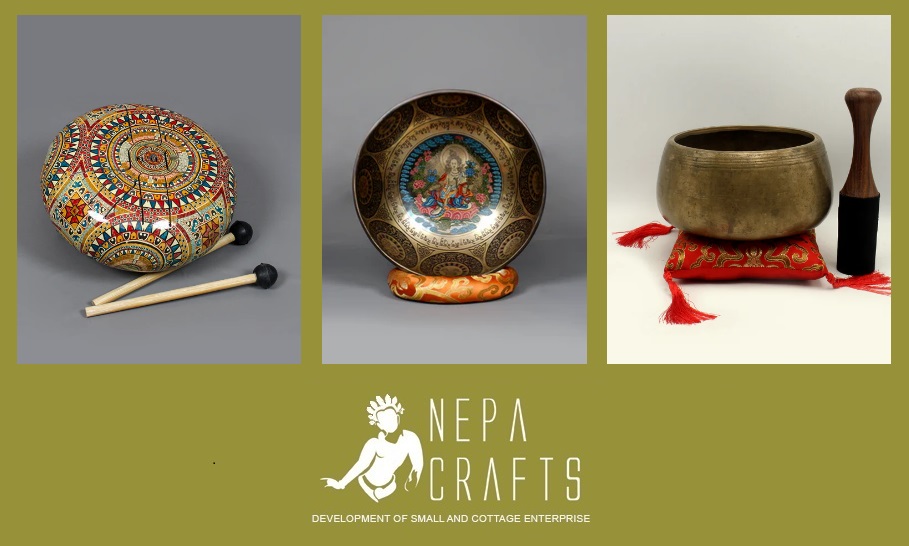
Metal bowls, often called Tibetan or Himalayan bowls, are typically made from copper, bronze, or a brass-based alloy. They produce complex, layered sounds with multiple harmonic overtones ringing simultaneously. That acoustic complexity, the way multiple frequencies interact to create beat frequencies, is precisely what researchers have studied in EEG experiments. Crystal singing bowls, made from quartz, produce a purer, sustained tone with strong resonance. Both types are effective for meditation purposes. For beginners, metal bowls tend to be more forgiving to play and are generally less expensive.
Size, Sound, and Your Ears
Bowl size affects pitch. Larger bowls produce lower, slower tones that tend to fall more naturally into the theta frequency range associated with meditative brain states. Smaller bowls produce higher, brighter tones. When choosing, let your ears be the primary guide. Strike or rim several bowls if you can, and notice which one your nervous system seems to respond to. You are looking for a tone that makes your shoulders soften slightly, not one that makes you flinch. That instinctive response is meaningful data.
Authenticity matters less than marketers suggest, but craftsmanship matters a fair amount. A well-made bowl will sustain its tone for many seconds after being struck, with rich layered overtones that build and decay smoothly. A poorly made bowl will produce a thin, flat sound that dies quickly. You do not need to spend a fortune, but buying the cheapest bowl you can find often produces a disappointing acoustic experience that makes building a practice harder.
The Two Core Playing Techniques
Playing a singing bowl is genuinely simple, but it does require a few minutes of patient attention to get right. Most people stumble slightly at first and then find it clicks quite naturally.
The Strike Method
Hold the bowl on the palm of your non-dominant hand, keeping your fingers relaxed and flat so they do not dampen the vibration. Strike the outer rim or side of the bowl firmly but not aggressively with the mallet, using the padded or leather-wrapped end. The bowl will ring with a clear, resonant tone that sustains for anywhere from 10 to 30 seconds depending on the bowl’s size and quality. This method is ideal for marking transitions during a session, anchoring attention when the mind wanders, or opening and closing a practice.
The Rim Method
This is the technique that makes the bowl “sing.” Press the mallet gently against the outer rim and move it slowly in a steady circular motion, maintaining consistent contact and pressure. Within a few rotations, a continuous singing tone will emerge and grow richer as you continue. The most common beginner mistake is pressing too hard or moving too fast; if you hear a chattering or buzzing sound, slow down and lighten your touch. The physical act of circling the rim at a steady pace is itself a quiet mindfulness exercise. Any lapse in attention tends to show up immediately as a wobble in the tone, which makes it an oddly effective focus anchor.
Structuring a Brain Health Session
Research sessions that produced measurable brainwave changes typically ran between 20 and 50 minutes, though even a 12-minute exposure to singing bowl sounds showed physiological effects in some studies. For practical purposes, a 20-minute session is a reasonable starting target for most people.
A Simple Framework for Beginners
Find a quiet space where you will not be interrupted. Sit comfortably with your spine reasonably upright, or lie down if you prefer. Take four or five slow, deliberate breaths before beginning. This primes the parasympathetic nervous system and helps your baseline shift slightly before the sound even starts.
Strike the bowl once and allow the tone to fade completely before responding in any way. Many people find this first sound surprisingly powerful as a focus anchor. Then, use the rim method to sustain a continuous tone for several minutes, letting your attention rest lightly on the sound. When your mind wanders, which it will, use a gentle strike as a reset signal and return. There is no need to maintain perfect stillness. The sound will do a significant portion of the work for you.
Close the session with a final deliberate strike and sit quietly for two to three minutes afterward. Research on meditative practices generally suggests that the transition out of a session is as neurologically important as the session itself. Rushing back to your phone the moment you finish is the acoustic equivalent of slamming the brakes on a highway.
Passive Listening as an Alternative
Not everyone wants to play an instrument, even a simple one. The good news is that passive listening, simply resting quietly while recorded singing bowl sounds play through speakers or headphones, appears to produce similar brainwave effects. A 2023 EEG study used passive listening as its protocol and still documented significant increases in theta and delta wave activity in participants. A curated recording of singing bowl sounds at comfortable volume, paired with 20 minutes of eyes-closed rest, is a completely legitimate brain health practice.
Building a Sustainable Practice
The research on singing bowl interventions includes both single-session studies, which showed measurable acute effects, and multi-session programs, where effects tended to accumulate over time. The most credible brain health benefits from any contemplative practice come from consistency rather than intensity.
Starting with three sessions per week of 15 to 20 minutes each is a practical, research-adjacent target. This frequency is enough to begin shifting habitual nervous system patterns without demanding a lifestyle overhaul. If that feels ambitious, one session per week is better than none, and a five-minute strike-and-listen moment during a stressful afternoon is better than waiting for the perfect conditions that never quite arrive.
A few precautions are worth naming honestly. People with epilepsy, certain heart conditions, or metal implants should consult a healthcare provider before using singing bowls, as the vibrations may be contraindicated. Pregnant individuals are also typically advised to check with their doctor first. And as with any complementary practice, singing bowls work alongside good sleep, exercise, and nutrition for brain health. They are a meaningful addition to that framework, not a replacement for it.
The beauty of this particular practice is its accessibility. You do not need a studio, a teacher, a subscription, or a great deal of time. You need a bowl, a mallet, a quiet space, and a willingness to let the sound do what sound does. Your brain, it turns out, is already listening.