
Brain fog is one of the most frustrating “non-symptoms” out there. It’s hard to measure, hard to explain, and extremely easy for other people to dismiss. Yet if you’ve felt it, you know it’s real: slower thinking, reduced clarity, a shorter attention span, and the strange sensation that your thoughts are moving through syrup.
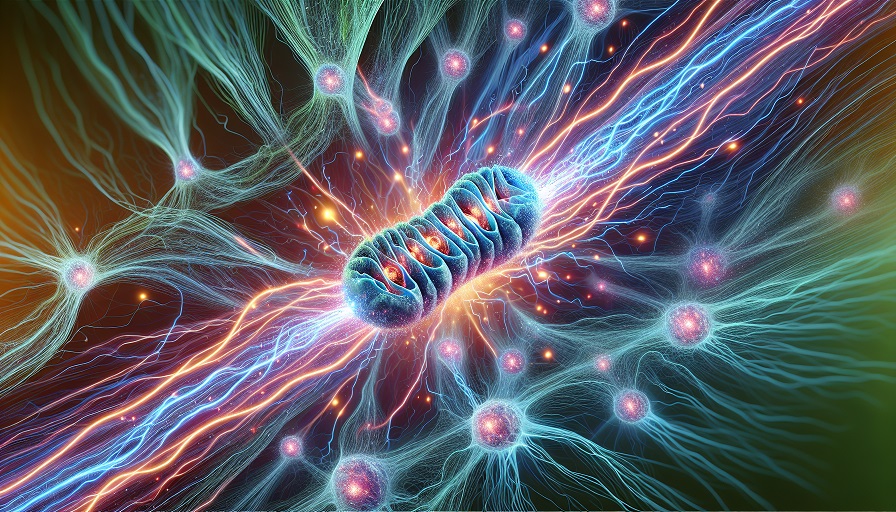
Brain fog can have many causes, and some are medical issues that deserve proper evaluation. But there’s also a common thread that shows up again and again: cellular energy. Your brain runs on ATP (adenosine triphosphate), and mitochondria are the primary producers of ATP in neurons. When cellular energy production is strained, the brain often starts rationing, and the first things you notice are usually higher-level functions like focus, mental stamina, and working memory.
In other words, brain fog often starts at the cellular level, not because your brain is broken, but because your brain is trying to cope with an energy budget problem.
Contents
What Brain Fog Feels Like In Everyday Life
Brain fog is not a formal medical diagnosis, but it’s a common experience. People describe it in different ways:
- Difficulty concentrating or staying on task
- Slower processing speed, especially under pressure
- Word-finding trouble or forgetfulness
- Mental fatigue that hits earlier than it should
- Feeling “not fully present” in conversations
Sometimes brain fog is occasional and tied to obvious triggers like poor sleep. Other times it lingers. If it’s persistent, worsening, or paired with other concerning symptoms, it’s worth getting checked out. Brain fog can be linked to sleep apnea, thyroid imbalance, anemia, vitamin deficiencies, depression, medication side effects, and more.
The Brain’s Energy Budget: ATP And Mitochondria
Your brain is an energy-intensive organ. It uses a surprising amount of fuel relative to its size, because neurons are always doing work: maintaining electrical stability, firing signals, recycling neurotransmitters, and running repair and cleanup systems.
ATP Is Usable Energy, Not “Motivation”
ATP is the energy currency cells spend to do work. It’s different from calories in your diet, which are stored energy. You can eat enough calories and still feel foggy if your cells are struggling to convert fuel into steady ATP output.
Mitochondria Are The Main ATP Producers
Mitochondria generate ATP through a series of metabolic steps that use oxygen. They take inputs from carbohydrates and fats (and sometimes amino acids), then produce ATP that neurons use to keep signaling stable.
When mitochondria are functioning efficiently, the brain has more room to do higher-level work, like sustained focus and complex decision-making. When mitochondria are strained, the brain often shifts into a conservation mode.
How Cellular Energy Issues Can Create Brain Fog
Brain fog is often the result of multiple small pressures stacking up. Here are a few cellular-level mechanisms that can contribute.
Energy Rationing: The Brain Protects The Essentials
If ATP supply is limited, neurons prioritize basic stability over performance. Maintaining essential signaling comes first. Higher-level functions can get less energy, and that can feel like reduced clarity and shorter mental endurance.
Synapses Need Energy To Stay Sharp
Synapses are energy hotspots. Neurotransmitter release and recycling, plus synaptic remodeling during learning, require ATP. If mitochondria cannot keep up, synapses may become less efficient, which can affect attention, recall, and mental flexibility.

Oxidative Stress Can Add “Noise”
ATP production naturally creates reactive oxygen species (ROS). In normal ranges, ROS are part of signaling. When ROS outpace antioxidant defenses, oxidative stress can damage membranes and proteins, and can reduce mitochondrial efficiency. In the brain, where signaling precision matters, oxidative stress can feel like static in the system.
Inflammation Can Disrupt Energy And Signaling
Chronic inflammation can influence mitochondrial function and energy efficiency. It can also affect neurotransmitter systems and sleep quality, which further impacts cognition. Inflammation is not always the enemy, it is part of immune function. The problem is when inflammation becomes chronic and persistent.
Common Everyday Triggers That Push Brain Fog
If brain fog starts at the cellular level, it makes sense that certain lifestyle patterns would be common triggers. Here are a few that show up frequently:
- Short or irregular sleep: reduces repair and increases stress signaling.
- Chronic stress: increases energy demand and can increase oxidative pressure.
- Sedentary habits: reduce signals that support mitochondrial adaptation.
- Blood sugar swings: can cause energy highs and crashes.
- Dehydration and low minerals: can worsen fatigue and concentration.
- Highly processed diets: may increase inflammation and reduce intake of protective nutrients.
It’s rarely just one of these. Brain fog often comes from a pile-up, like a slow-moving traffic jam rather than a single accident.
How To Support Cellular Clarity
Clearing brain fog often requires a layered approach: fix the basics first, then consider targeted support if needed.
Sleep: The Fastest Clarity Lever For Many People
Sleep helps restore energy balance and supports brain maintenance. Start with consistency. Even if your total sleep time is not perfect, a steady schedule can improve sleep quality. Morning light exposure and reducing late caffeine can also help.
Movement: The Mitochondrial Signal
Regular exercise supports mitochondrial adaptation and metabolic stability. You do not need extreme workouts. Brisk walking most days plus strength training a couple times per week is a strong baseline. If you sit a lot, short movement breaks can help your brain feel more awake and less stuck.
Fuel Stability: Fewer Swings, Fewer Crashes
Meals with protein, fiber-rich carbohydrates, and healthy fats often reduce energy crashes. A 10-minute walk after meals can support glucose handling for many people. Hydration matters too, especially when mental fatigue feels worse in the afternoon.
Nutrients Often Discussed For Mitochondrial Support
Some nutrients and compounds are commonly discussed in relation to energy metabolism and oxidative balance. Examples include:
- Vitamin B3 Forms (Including Niacinamide): support NAD-related energy transfer systems.
- Coenzyme Q10 (CoQ10): involved in mitochondrial energy production pathways.
- Magnesium: supports ATP-related processes and nervous system stability.
- Acetyl-L-Carnitine: supports transport of fatty acids into mitochondria.
- Alpha-Lipoic Acid: supports mitochondrial metabolism and antioxidant networks.
- Polyphenols (Such As Resveratrol And Quercetin): studied for antioxidant effects and cellular signaling support.
- Curcumin: researched for inflammation and oxidative stress modulation.
- PQQ: investigated for roles in cellular signaling related to mitochondrial function.
- D-Ribose: discussed for its role in building components used to form ATP.
The Takeaway
Brain fog often starts at the cellular level because cognition depends on steady ATP production, stable neurotransmitter cycling, and clean signaling. Mitochondria supply much of the energy that neurons need, and when they are under strain, the brain may ration resources, leaving you with reduced clarity and mental stamina. Oxidative stress, inflammation, sleep disruption, and blood sugar instability can all increase that strain.