

If you have ever looked up “brain longevity,” you have probably seen two types of advice. One camp says, “Do the basics,” and the other camp says, “Here’s a molecule with a name that sounds like a sci-fi robot.” Both camps have a point, but the real magic happens when you understand why certain molecules matter and how they fit into the biology of aging.
Fisetin is one of those molecules that keeps showing up, and not just because it is fun to say. Fisetin is a flavonoid found in fruits and vegetables, and it has become well known in longevity circles for its role in senolytic research, meaning it has been studied for its ability to target senescent cells under specific conditions. When you connect that story to NAD+, a molecule central to cellular energy and repair, you get a compelling “two birds, one stone” framework for supporting brain aging.
Here we walk through how fisetin may support a healthier cellular environment, why that can matter for NAD+ balance, and how fisetin is often positioned within NAD+ booster strategies focused on brain longevity.
Contents
NAD+ And Brain Longevity: The Cellular Power Budget
NAD+ (nicotinamide adenine dinucleotide) is a molecule used in nearly every cell to help convert nutrients into energy. It also supports enzymes involved in maintenance tasks like DNA repair, stress adaptation, and metabolic regulation. You will often see NAD discussed in two main forms:
- NAD+, which participates in metabolic and repair reactions
- NADH, which carries electrons to support energy production
For the brain, NAD+ matters because neurons and supporting cells are constantly working. They maintain signaling, regulate neurotransmitters, and handle cleanup and repair. When NAD+ availability is strong, cells generally have more flexibility to meet demands. When NAD+ declines, systems can become less efficient, especially under stress.
Why NAD+ Tends To Decline With Age
Researchers often point to two broad drivers of age-related NAD+ decline: reduced production and increased consumption. On the consumption side, certain enzymes that use NAD+ can become more active with age and inflammation. That creates a situation where cells are “spending” NAD+ faster than they can replenish it, like a budget that keeps springing leaks.
This is where senescence biology becomes relevant.
Senescent Cells: The Longevity Conversation’s Favorite Villain
Senescent cells are sometimes called “zombie cells,” mostly because they are not dead, but they are not doing their original job either. These cells have stopped dividing, yet they remain metabolically active and can release inflammatory and tissue-altering signals. Scientists refer to this signaling cocktail as the SASP (senescence-associated secretory phenotype).
Why do people care? Because senescent cells can accumulate with age and contribute to a more inflammatory environment. The brain is sensitive to long-term inflammatory signaling, and chronic inflammation is often linked to changes in cognitive resilience over time.
Where Senescence And NAD+ Intersect
Here is the basic idea: increased inflammatory signaling can influence enzymes that consume NAD+. One of the most discussed is CD38, which breaks down NAD+. CD38 activity is often described as rising with age and inflammation. More CD38 activity can mean faster NAD+ loss.
So, if senescent cell signaling contributes to inflammation, and inflammation encourages NAD+ consumption, a senescence-focused approach can be viewed as a way to support a more NAD-friendly cellular environment.
Fisetin 101: Why This Flavonoid Gets So Much Attention
Fisetin is a flavonoid found in foods like strawberries, apples, onions, and persimmons. It is studied for antioxidant activity, inflammatory balance, and cellular stress response support. What makes fisetin especially interesting is its repeated appearance in senolytic research discussions.
In the longevity world, fisetin is often described as a senolytic candidate because it has shown senescence-targeting effects in preclinical models. That does not mean it behaves identically in every person, or that it “cleans house” overnight. It does mean it is one of the natural compounds most frequently discussed when the topic is senescent cell burden.
Cellular Cleanup As A Brain Strategy
When people say “cellular cleanup,” they are usually referring to reducing the impact of dysfunctional cells and supporting healthier tissue signaling. For brain longevity, the goal is a calmer, more supportive internal environment where neurons can do their job without constant biochemical static.
Fisetin fits this theme because it is discussed in relation to senescent cell signaling, oxidative stress, and inflammatory tone, all of which can influence how well cellular energy systems operate.
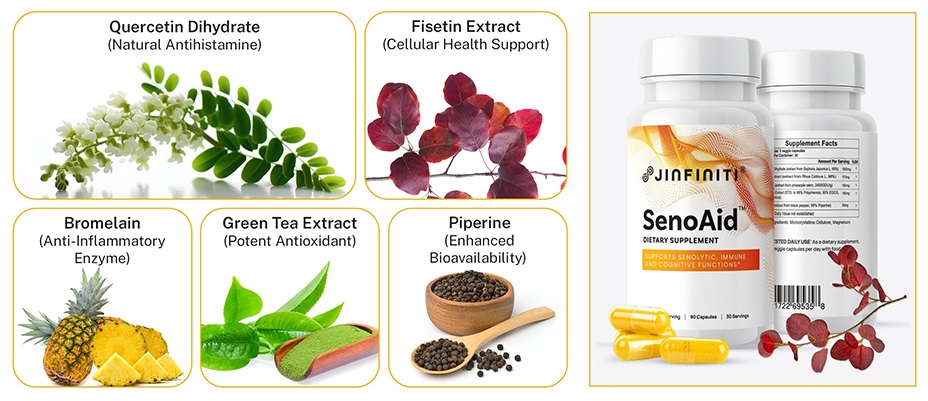
How Fisetin May Support NAD+ Biology
Fisetin is not a classic NAD+ precursor like nicotinamide riboside (NR) or nicotinamide mononucleotide (NMN). Instead, it is often viewed as a NAD+ preservation partner. In other words, it may support the conditions that help your body hold onto NAD+ more effectively.
Pathway 1: Supporting A Lower-Inflammation Environment
NAD+ is easier to maintain in a cellular environment that is not constantly inflamed. Fisetin is studied for its influence on inflammatory signaling pathways and oxidative stress responses. When inflammatory signals are lower, the body may be less likely to ramp up NAD-consuming processes that are part of chronic immune activation.
For brain longevity, this is meaningful because inflammation is one of the fastest ways to turn “aging” into “feels older than necessary.”
Pathway 2: Indirect Support Through Senescence Biology
Senescent cells can amplify inflammatory signaling, which can encourage higher CD38 expression in certain immune cells. If a strategy reduces senescence-associated signals, it may reduce the pressure that pushes NAD+ breakdown higher. This is part of the reason senolytics and NAD+ are often discussed in the same longevity breath.
Fisetin, as a prominent senolytic candidate in research, fits naturally into this conceptual framework.
Pathway 3: Resilience Signaling And NAD-Dependent Enzymes
NAD+ is required for enzymes like sirtuins that help regulate stress responses and metabolic adaptation. Fisetin, like quercetin, has been studied for its ability to influence cellular stress pathways and antioxidant defenses, which may complement NAD+-dependent resilience mechanisms.
The big picture is that fisetin may help set the stage for NAD+ to do its job effectively, especially in aging contexts where inflammatory and senescence-related pressures increase.
How People Use Fisetin In Longevity-Oriented Routines
Fisetin is used in a few common ways in longevity communities. Some people take it as a steady, ongoing supplement. Others use periodic “senolytic-style” protocols, often referred to as pulsing. The best approach depends on goals, preferences, and tolerance.
If you are thinking in terms of NAD+ support, fisetin is often positioned as a way to support the cellular environment, while NAD+ precursors are positioned as a way to support supply. Many people like the idea of a combined strategy: support supply and support preservation.
Making The Strategy Measurable With NAD Testing
If your goal is NAD+ optimization rather than wishful thinking, measurement helps. At-home NAD testing allows many people to establish a baseline and then retest after a consistent routine. This can be useful whether you are using an NAD+ precursor, a senolytic flavonoid, or both.
Even when you feel better, it is satisfying to have numbers that confirm your plan is moving in the right direction.