
When your brain feels “on,” life is easier. Words come quicker, focus holds longer, and stress does not knock you off balance as fast. When it feels “off,” even simple tasks can feel like you are pushing a shopping cart with one squeaky wheel. Cognitive wellness is not only about memory, it is also about energy, resilience, and how well your brain recovers from everyday demands.
That is why people interested in brain health keep hearing about NAD+ and its precursors, especially NMN (nicotinamide mononucleotide). NMN is discussed as a way to support NAD+ production, and NAD+ is tied to cellular energy and repair systems that the brain depends on. The goal is not a quick jolt, it is support for the underlying biology that helps the brain stay steady over time.
Here we explain the NMN-to-NAD+ connection in brain-friendly terms and outlines the main pathways that make NMN relevant to cognitive wellness.
Contents
Why NAD+ Is A Brain Topic, Not Just A Longevity Topic
NAD+ (nicotinamide adenine dinucleotide) is a molecule used in many cellular reactions. It supports energy production and helps power enzymes involved in maintenance and stress adaptation. NAD is often discussed in two forms:
- NAD+, used broadly in metabolic and repair reactions
- NADH, which carries electrons and helps drive energy generation
The brain’s interest in NAD+ is simple: neurons and support cells are always working. They maintain electrical signaling, manage neurotransmitters, regulate inflammation signals, and handle routine repairs. These tasks require energy, and NAD+ helps keep the energy system running smoothly.
Brain Energy Is Not Just About Feeling “Wired”
When people say they want more brain energy, they often mean better mental endurance. That endurance depends on mitochondrial function, metabolic flexibility, and cellular repair. NAD+ is woven into all of those. Supporting NAD+ is less like stepping on the gas and more like improving the engine.
NMN: A Direct Link To NAD+ Production
NMN stands for nicotinamide mononucleotide. It is commonly described as an NAD+ precursor, meaning the body can use NMN in pathways that produce NAD+. Many discussions place NMN within the NAD+ salvage pathway, a recycling-oriented route that helps maintain NAD+ efficiently.
From a practical standpoint, NMN attracts attention because it sits close to the “finish line” of NAD+ production. People interested in cognitive wellness like the idea of supporting NAD+ pathways in a direct, biologically relevant way.
Supply Vs Spending: The Two Sides Of NAD+
NAD+ strategies often fall into two categories:
- Support supply, using precursors like NMN to encourage NAD+ production
- Support preservation, by reducing factors that increase NAD+ consumption
NMN is firmly in the “supply” lane, but cognitive wellness often benefits when supply is paired with a healthier cellular environment overall.
NAD+ Pathways That Matter For Cognitive Wellness
There is no single “brain pathway.” Cognitive wellness is a network outcome. Still, several NAD+-linked systems are especially relevant to how the brain feels and functions day to day.
Pathway 1: Mitochondria And Cellular Energy
Mitochondria are the energy centers of cells. The brain has a lot of mitochondria because it needs constant fuel. NAD+ supports reactions that feed mitochondrial energy production. When NAD+ availability is healthier, cells are generally better positioned to produce energy efficiently and maintain performance under load.
This is one reason NAD+ discussions often overlap with “brain fog” conversations, the issue is frequently less about motivation and more about cellular energy management.
Pathway 2: Cellular Repair And Maintenance Enzymes
NAD+ is used by enzymes involved in cellular maintenance, including systems linked to DNA repair and stress adaptation. In the brain, maintenance matters because neurons are long-lived cells. Supporting the cell’s ability to manage damage and maintain stability is a big part of long-term brain health.
Pathway 3: Stress Resilience And Adaptation
The brain constantly adapts to stress, cognitive load, and environmental inputs. NAD+ supports enzymes that help regulate stress response pathways. When these systems are well supported, many people describe feeling more resilient, meaning stress still exists, but it is less disruptive.
Pathway 4: Neuroinflammatory Tone And Cellular Signaling
Inflammation is a normal part of biology, but chronic inflammatory signaling can affect cognitive stamina and mood stability. NAD+ and inflammation intersect because inflammatory states can increase activity of enzymes that consume NAD+. Supporting NAD+ supply is one way people aim to keep cellular signaling environments more stable.
Why NMN Is Popular For Cognitive Wellness
NMN is appealing because it connects to brain health in a way that feels logical and measurable.
It Targets A Root System
Many cognitive wellness strategies focus on surface-level symptoms. NMN focuses on a root system: cellular energy and maintenance. That is a satisfying approach for people who want the “why” behind their routine.
It Pairs Well With Modern Brain-Health Routines
NMN fits naturally alongside other brain wellness habits, sleep routines, movement, nutrient-dense eating, and stress skills. This does not mean NMN “requires” a perfect lifestyle. It means the strategy is coherent: support the cellular systems that help the brain perform and recover.
It Works Well With A Data Mindset
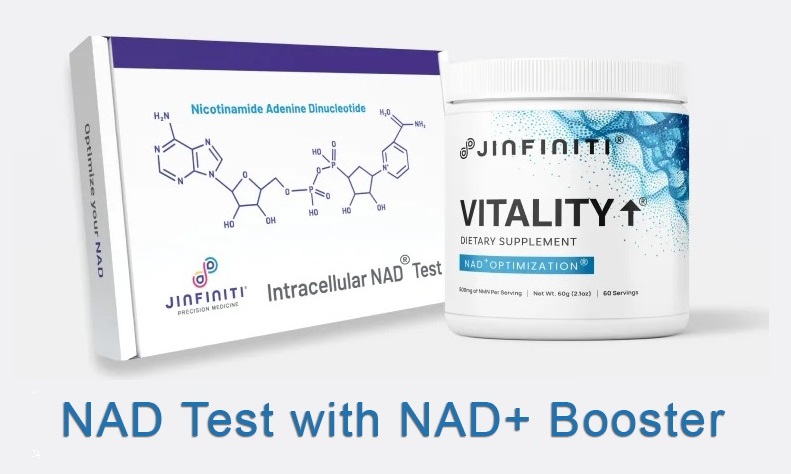
NAD testing, including at-home options, has made it easier for some people to track NAD-related markers over time. That makes NMN feel more grounded. You can establish a baseline, follow a consistent routine, and then retest to see whether your marker changes.
How To Use NMN For Cognitive Wellness In A Practical Way
If you are using NMN for brain health, the most helpful approach is to keep your plan simple and consistent. You are supporting a system, and systems usually respond best to steady inputs.
Give It A Clear Evaluation Window
Many people choose a consistent routine for several weeks and then evaluate how they feel. If you are tracking, keep notes on a few markers, for example:
- Morning mental clarity
- Afternoon energy stability
- Ability to focus without frequent breaks
- Mood steadiness under stress
This keeps the process practical and makes it easier to notice meaningful change.
Powder Or Capsules: Choose The Format You Will Use
NMN is available in powders and capsules. Powders appeal to people who want dosing flexibility or prefer mixing into a routine. Capsules appeal to people who value convenience. The best choice is the one that fits your habits, because consistency is the real advantage.
Consider Pairing With Measurement
If you want extra clarity, at-home NAD testing can add a useful data point. A baseline-and-retest approach can show whether your NAD-related marker is changing alongside your routine. That can be especially helpful if your goal is long-term cognitive wellness rather than quick, subjective shifts.