

Most people think aging is something you see in the mirror. Biology sees it differently. Aging is also what happens when cells become less efficient at producing energy, repairing damage, and keeping their internal environment calm. That shift is gradual, and it is often more about momentum than a single turning point.
One molecule sits near the center of this cellular story: NAD+ (nicotinamide adenine dinucleotide). NAD+ supports energy production and maintenance systems that keep cells functioning. Many researchers describe NAD+ as trending downward with age, which has made NAD+ a key theme in longevity conversations. NMN (nicotinamide mononucleotide) matters here because it is an NAD+ precursor, meaning the body can use it in pathways that produce NAD+.
Here we explain what declining NAD+ can mean over time, why it matters for brain and body resilience, and how NMN fits into the larger framework.
Contents
NAD+: The Cellular Resource That Helps Things Run Smoothly
NAD+ is a molecule used in many reactions that convert nutrients into usable energy. It also supports enzymes involved in cellular maintenance and stress adaptation. NAD is often discussed in two related forms:
- NAD+, used broadly in metabolic and repair reactions
- NADH, which carries electrons to help drive energy production
If you want a simple metaphor, think of NAD+ as a key resource in the cell’s operating budget. Cells spend it to produce energy and to run maintenance processes. When NAD+ is plentiful and well balanced, cells tend to operate with more flexibility. When it becomes harder to maintain, the margin for error shrinks.
Why The Brain Is A Sensitive “NAD+ Barometer”
The brain uses a lot of energy and depends on precise signaling. Neurons and support cells are constantly active, managing neurotransmitters, maintaining electrical gradients, and handling routine repair. That is why brain-related complaints like reduced mental stamina or slower recovery from stress are often discussed in the same breath as cellular energy biology.
NAD+ is not the whole story, but it is a central part of the energy and maintenance network the brain relies on.
What Causes NAD+ To Decline Over Time?
NAD+ decline is often described as a combination of reduced replenishment and increased consumption. In practical terms, it is like trying to fill a bathtub with the drain partially open, you can keep pouring water in, but maintaining the level becomes harder.
Driver 1: Production Can Become Less Efficient
The body produces NAD+ through multiple pathways, including recycling-oriented routes. As people age, these pathways may not maintain the same efficiency, which can make it more difficult to keep NAD+ levels robust.
Driver 2: NAD+ Can Be “Spent” Faster
NAD+ is consumed by enzymes involved in cellular stress responses, immune activity, and maintenance work. Chronic inflammation and repeated stress signals can increase this consumption. When NAD+ spending rises, cells may have less available for everyday energy production and repair tasks.
This is why many longevity strategies focus on both improving NAD+ supply and supporting a cellular environment that reduces unnecessary drain.
What Declining NAD+ Can Mean For Cellular Aging
Cellular aging is not a single process. It is a shift in performance across multiple systems. Declining NAD+ is often discussed as meaningful because it touches several of those systems at once.
Energy Production Becomes Less Flexible
NAD+ supports metabolic reactions that generate energy. When NAD+ availability is lower, cells may have a harder time meeting energy demands under stress, during recovery, or in periods of high activity. For many people, this can translate into less “reserve capacity,” meaning you can still function, but you do not bounce back as easily.
Maintenance And Repair Can Feel More Costly
Cells are constantly managing small damage. NAD+ supports enzymes involved in repair and maintenance. When NAD+ is harder to maintain, cells may need to prioritize, putting energy toward immediate survival and leaving less capacity for longer-term maintenance work.
Stress Responses Can Become More Disruptive
Aging cells often become more sensitive to stressors such as poor sleep, illness, travel, or long work stretches. NAD+-dependent pathways are involved in how cells adapt to stress. Supporting NAD+ is often framed as supporting resilience, meaning the same stressor may feel less metabolically expensive.
Inflammation And Cellular Signaling Can Drift
NAD+ intersects with inflammatory biology because inflammatory states can increase activity of NAD-consuming enzymes. Over time, this can create a loop where inflammation reduces NAD+, and reduced NAD+ makes it harder for cells to maintain stable function. Many longevity strategies aim to support NAD+ while also supporting healthier signaling environments.
Where NMN Fits Into The Cellular Aging Story
NMN (nicotinamide mononucleotide) is commonly described as an NAD+ precursor. That means the body can use NMN in pathways that produce NAD+. Many discussions place NMN within the NAD+ salvage pathway, which helps recycle and maintain NAD+ efficiently.
In the “bathtub” metaphor, NMN is a way to support the refill side of the equation. That is why NMN is popular in longevity circles: it aligns neatly with the idea of supporting NAD+ supply as NAD+ becomes harder to maintain with age.
Supply Matters, And So Does The Environment
One reason NMN is often discussed alongside broader longevity topics is that NAD+ is influenced by both supply and consumption. NMN supports supply. At the same time, other habits and ingredients can support a calmer cellular environment, which helps reduce unnecessary NAD+ drain.
This is not about making your routine complicated. It is about understanding why the most effective longevity strategies tend to support the system from more than one angle.
Making NAD+ Support More Concrete
If your goal is to support NAD+ over time, you have two practical options: track how you feel, and measure what you can.
Track Patterns That Matter
Subjective tracking does not need to be fancy. Some useful patterns include:
- Morning mental clarity
- Afternoon energy stability
- Recovery after stressful weeks
- Mood steadiness under pressure
Consider NAD Testing
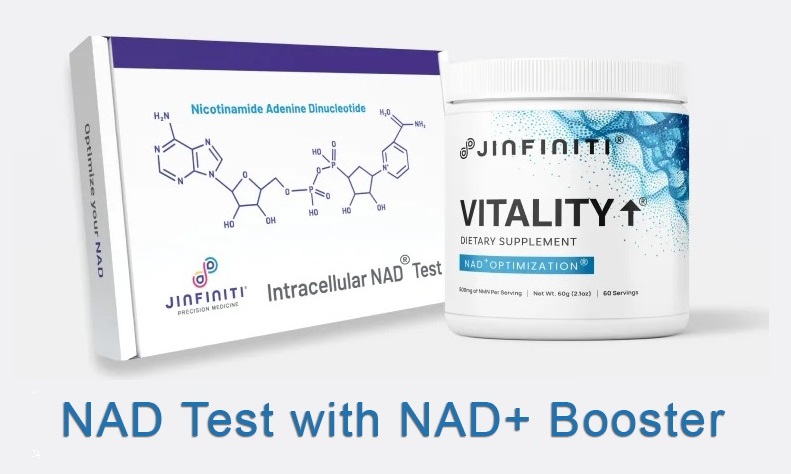
NAD testing, including at-home options, can give you a baseline and help you track NAD-related markers over time. For people using NMN as part of a longer-term plan, that baseline-and-retest approach can make the process feel more grounded and less like guesswork.
Declining NAD+ is one of the reasons longevity science has become so interested in cellular energy and repair. NMN’s role in this story is simple: it supports NAD+ production pathways that matter more as the years go on.