
Some wellness trends arrive with confetti and disappear by next Tuesday. NMN has done the opposite. It has been hanging around, quietly gathering fans, and inspiring equal parts curiosity and confusion. If you have seen it described as an “NAD+ booster,” you are not wrong, but that label can feel like a bumper sticker on a complex story.
NMN matters because it connects to NAD+, a molecule your cells rely on for energy and maintenance. The brain is famously energy-hungry, so anything that influences cellular energy tends to get attention from people interested in focus, mood stability, and long-term cognitive wellness. Add the wider longevity conversation, and NMN becomes the kind of topic that shows up everywhere, from podcasts to pantry shelves.
Here we break NMN down in plain English: what it is, how it fits into NAD+ pathways, why people care, and how to think about it in a grounded way.
Contents
Start Here: What NMN Actually Is
NMN stands for nicotinamide mononucleotide. It is a compound your body can use in the process of making NAD+. In other words, NMN is often discussed as a building block, a step along the route toward maintaining NAD+ levels inside cells.
It may help to picture NAD+ as the cell’s “spendable energy currency.” Cells constantly spend NAD+ to do work, repair damage, and respond to stress. NMN is part of how the body can refill that currency. The details involve biochemistry, but the practical point is simple: NMN is interesting because it is closely linked to NAD+ production.
NAD+ Vs NADH: Two Sides Of The Same System
You will often see NAD discussed in two forms:
- NAD+, which participates in many metabolic and repair reactions
- NADH, which carries electrons and helps drive energy production
Both forms matter. Together they support the chemical reactions that keep cells running. When people talk about “raising NAD+,” they are typically talking about supporting the overall NAD system so cells have the resources they need for energy and upkeep.
Why NAD+ Is Such A Big Deal For Brain And Body
NAD+ is not a trendy ingredient, it is a core part of human biology. Your cells use it for:
- Energy production, especially in mitochondria, where cells generate usable fuel
- Cellular maintenance, including pathways involved in DNA repair and stress responses
- Metabolic regulation, helping cells respond to changes in fuel availability and demand
The brain’s interest in NAD+ is straightforward: neurons need a steady energy supply to maintain signaling, regulate neurotransmitters, and support housekeeping work. When cellular energy systems are working well, mental stamina often feels steadier. When those systems are strained, the brain can feel less resilient under stress.
Why People Link NAD+ To Aging
Many researchers describe NAD+ as trending downward with age. That decline is commonly attributed to a mix of factors, including changes in production and increased consumption by enzymes that use NAD+ in stress and immune contexts. The result is that cells may have less “flex budget” for repair and recovery over time.
NMN gets attention because it sits right in the middle of this conversation: if NAD+ declines are part of aging biology, then supporting NAD+ production becomes an appealing strategy.
How NMN Fits Into NAD+ Pathways
There are several routes the body can use to build NAD+. NMN is commonly discussed within what is often called the salvage pathway, a recycling-oriented route that helps the body maintain NAD+ efficiently.
In practical terms, NMN is positioned as helpful because it is close to the end of the “build NAD+” pipeline. Many people find that appealing. It feels like a direct way to support the system, rather than starting several steps upstream.
NMN As A Precursor: What That Means
Calling NMN a precursor means the body can use it to produce NAD+. It does not mean NMN is NAD+, and it does not guarantee a specific outcome for every person. It means NMN participates in a well-known biological pathway that is relevant to cellular energy and maintenance.
A good mental model is to think of NMN as a supply component, while other strategies may focus on reducing NAD+ “spending.” Many people like the idea of supporting both sides, supply and preservation, depending on their goals.
Why NMN Gets So Much Attention
NMN’s popularity did not come from nowhere. It sits at the intersection of several trends that have real momentum.
1) It Has A Clear Mechanistic Story
People like supplements they can understand. “This supports NAD+ pathways” is a clean narrative because NAD+ has a clear role in energy and maintenance. You do not need to memorize enzymes to appreciate the logic.
2) It Appeals To Both Longevity And Performance Mindsets
Some people think about aging decades ahead. Others care about near-term mental stamina and day-to-day energy. NMN gets attention from both groups because cellular energy and recovery are relevant in both timeframes.
3) It Fits Into A Modern, Data-Friendly Wellness Approach
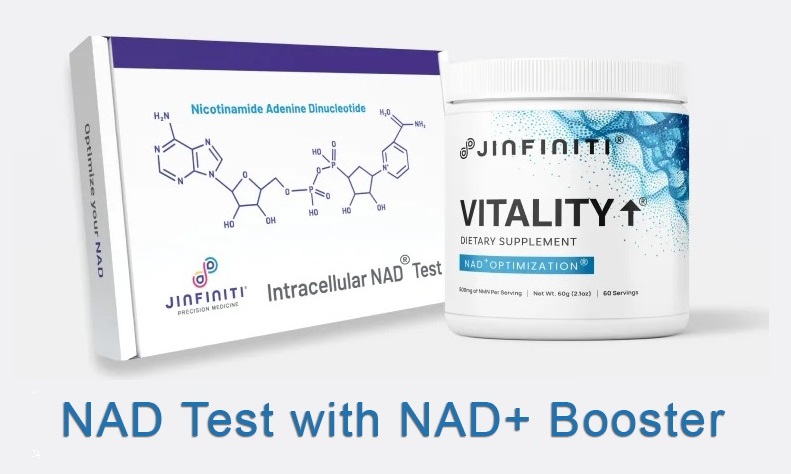
More people now want measurement, not just motivation. NAD testing, including at-home options, has made it easier for some users to track NAD-related markers over time. That makes NMN feel less like a leap of faith and more like a testable strategy.
4) It Pairs Well With Other Longevity Themes
NMN is often discussed alongside other topics like mitochondrial support, metabolic health, and senescence biology. This does not mean you need an enormous stack. It means NMN fits neatly into a broader framework of supporting cellular resilience.
How To Think About NMN Supplementation, The Practical Version
NMN interest is understandable. The best way to approach it is with a clear plan and realistic goals. You are aiming to support a system, not chase a quick jolt.
Consistency Matters More Than Perfection
If you are using NMN, many people prefer to keep their routine consistent long enough to evaluate it. Consistency helps you notice patterns in energy, mental clarity, and overall resilience, especially if you are also tracking sleep and stress.
Powder Vs Capsules: Why Form Can Matter
NMN is available in several formats, including powders and capsules. Powder appeals to people who want dosing flexibility or prefer mixing supplements into a routine. Capsules appeal to people who want convenience and simplicity. Either way, the core idea is the same: regular intake aimed at supporting NAD+ pathways.
Quality And Freshness Are Part Of The Conversation
With any supplement, quality matters. People often look for clear labeling, transparent sourcing, and third-party testing practices when available. NMN also tends to be discussed in terms of storage and handling, since consumers want confidence that what they buy matches what the label claims.
A Simple Way To Make NMN Feel More “Real”
If you want more confidence in your approach, consider adding a measurement step. NAD testing, including at-home testing options, can help you establish a baseline and track changes over time. Some people find this especially helpful when evaluating any NAD+ strategy, whether that includes NMN, lifestyle changes, or both.
Even without testing, you can keep a basic log for sleep quality, afternoon energy, and mental clarity. Small notes create a clearer picture than memory alone.
NMN gets attention because it touches a fundamental part of human biology: how cells make energy and stay resilient. For people interested in cognitive wellness and long-term health, that is a story worth understanding.