

Brain health is often discussed like a quiz show: recall more words, think faster, stay focused longer. But aging rarely feels like a dramatic “before and after.” It is usually subtle, like mental stamina fading a little sooner, names taking a little longer to arrive, or stress hitting harder than it used to.
That is why many people shift from “performance” supplements to “protection” supplements as they get older. Instead of pushing the brain to work harder, the goal becomes supporting the systems that help the brain stay resilient: healthy blood flow, balanced inflammation, efficient cellular energy, and protection from oxidative wear and tear. Resveratrol, especially trans-resveratrol, fits naturally into that protective approach.
Resveratrol is a polyphenol found in grapes, berries, and peanuts. It is also associated with red wine, although supplementing resveratrol is not the same as drinking wine for brain health. The supplement form is typically used for consistency, higher dosing, and avoiding alcohol. When people promote resveratrol for longevity, they are usually talking about the body’s stress-response pathways and the long-term maintenance systems that become more important with age.
Contents
What Resveratrol Is And Why The “Trans” Form Matters
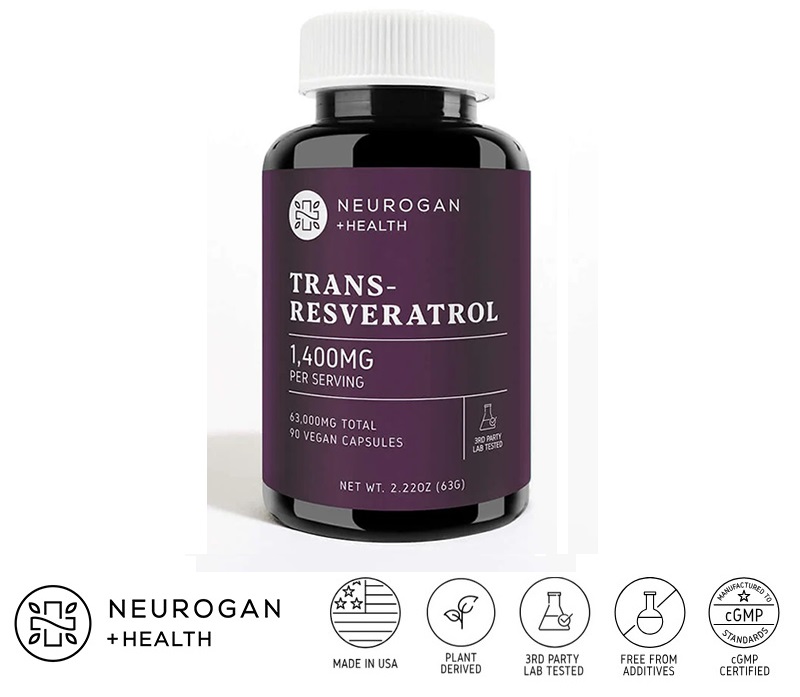
Resveratrol exists in two main forms (isomers): trans-resveratrol and cis-resveratrol. In nature and in research, the trans form is the one most often discussed for biological activity. Trans-resveratrol is generally considered the more stable and biologically active form, and it is the form most commonly used in high-quality supplements.
Why Stability And Activity Are Important
When a compound is more stable, it is less likely to degrade during processing, storage, or digestion. And when a compound is more biologically active, it is more likely to meaningfully interact with the pathways people care about. That does not guarantee a specific result for every person, but it does help explain why trans-resveratrol is often preferred in supplements aimed at healthy aging and brain support.
Why Brain Aging Is So Closely Linked To Whole-Body Health
The brain is not separate from the rest of the body. Cognitive aging is influenced by blood flow, metabolic stability, immune signaling, sleep quality, and even gut health. When those systems are under strain, the brain often feels it first, because it is extremely energy demanding and sensitive to stress.
Three Common Drivers Of Cognitive “Wear”
- Reduced blood flow, which can limit oxygen and nutrient delivery
- Chronic low-grade inflammation, which can disrupt signaling and mood
- Oxidative stress, a wear-and-tear process that can affect neurons over time
Resveratrol is often discussed because it touches each of these themes in some way, especially in research on aging biology and cardiovascular health.
How Resveratrol May Support Brain Health As We Age
Resveratrol is not a quick focus pill. If it supports the brain, it usually does so by improving the brain’s operating environment. That support can look boring on paper, and it can still be meaningful in real life.
Supporting Healthy Blood Flow And Vascular Function
Healthy cognition depends on healthy circulation. The brain needs continuous delivery of oxygen and nutrients, and it needs waste products cleared away efficiently. With age, vascular flexibility can decline, and endothelial function (how well blood vessels respond and relax) can become less robust.
Resveratrol has been studied for its effects on vascular and endothelial function, including pathways related to nitric oxide signaling. The practical brain-health takeaway is this: when blood vessels function better, cerebral circulation has a better chance of staying supportive of attention, processing speed, and mental stamina.
Supporting Cellular Energy And Mitochondrial Resilience
The brain is expensive to run. Neurons need energy to maintain electrical gradients and to communicate through synapses. Mitochondria, the energy generators inside cells, become less efficient with age, and that can contribute to cognitive fatigue and reduced resilience under stress.
Resveratrol is often discussed in connection with cellular stress-response pathways and energy regulation, including sirtuin-related signaling (commonly associated with SIRT1). The careful, responsible way to frame this is that resveratrol may support energy resilience and cellular maintenance pathways that matter more as we age.
Supporting A Balanced Inflammatory Response
Inflammation is not always obvious. Low-grade, chronic inflammation can feel like mental heaviness, reduced motivation, or brain fog. It can also influence mood, which then affects attention and memory. Resveratrol has been widely studied for its influence on inflammatory signaling, which is one reason it is positioned as a protective longevity compound.
For many people, “brain health” means cognitive comfort. Supporting a healthier inflammatory balance can improve that comfort, especially when combined with sleep, movement, and nutrition that reduce inflammatory burden.
Oxidative Stress Support For The Aging Brain
Oxidative stress is a natural byproduct of living, but it can accumulate when antioxidant defenses cannot keep up. The brain is vulnerable because it uses a lot of oxygen and has structures that can be sensitive to oxidation. Resveratrol is a polyphenol, and polyphenols are commonly studied for antioxidant-related properties and cellular stress-response effects.
In practical terms, resveratrol is often used to help support the brain’s defenses against wear and tear, rather than to create an immediate cognitive boost.
What Resveratrol Usually Feels Like
Resveratrol is not typically a supplement people describe as dramatic. If it helps, it often shows up as a better baseline: steadier energy, less cognitive drag, and improved resilience during stressful periods.
Possible Baseline Benefits
- More consistent mental energy across the day
- Better endurance for focused tasks
- Improved cognitive comfort, especially when lifestyle is supportive
What Not To Expect
- A stimulant-like buzz similar to caffeine
- Instant memory improvement after one dose
- A substitute for sleep, movement, and metabolic stability
A helpful way to evaluate resveratrol is to track your baseline over a few weeks: energy consistency, stress resilience, and how quickly you recover from mentally demanding days.
Key Takeaways
Resveratrol is a polyphenol studied for longevity-related pathways that overlap strongly with brain aging: blood flow, inflammation balance, oxidative stress support, and cellular energy resilience. The trans form is typically preferred in supplements because it is generally considered more stable and more biologically active than the cis form.