

If you have spent any time in the brain health world, you have probably seen the usual suspects: omega-3s, magnesium, B vitamins, maybe a few herbs that sound like they belong in a fantasy novel. Urolithin A is different. It does not have the instant recognition of a trendy nootropic, and it is not the kind of supplement you “feel” on day one. It is more like upgrading the maintenance crew in your cells so the whole system runs cleaner over time.
Urolithin A (often shortened to UA) is sometimes described as a postbiotic, a compound produced when gut microbes break down certain polyphenols found in foods like pomegranates and some berries. Not everyone makes much UA naturally, because it depends on your gut bacteria. Supplementing UA is one way people try to get around that variability.
So what does this have to do with brain aging? The short answer is mitochondria. The longer answer is that the brain is a high-energy organ, and mitochondrial health is one of the big themes behind cognitive resilience as we get older. UA’s main claim to fame is its relationship with mitophagy, a cellular clean-up process that helps recycle worn-out mitochondria. If the brain is a city that never sleeps, mitochondria are the power plants, and mitophagy is the maintenance schedule that keeps them from falling apart.
Contents
What Urolithin A Is And Why People Supplement It
Urolithin A is not a vitamin, and it is not a stimulant. It is a metabolite. In nature, it can be produced from ellagitannins and ellagic acid, compounds found in pomegranate, walnuts, and some other plant foods. Your gut microbes help convert those compounds into urolithins, including UA.
The Gut Microbiome Factor
Two people can eat the same pomegranate and produce very different amounts of UA, or none that is meaningful. That is part of why UA supplements exist. They offer a consistent dose without relying on a specific microbiome profile.
Why UA Is Considered “Under The Radar”
UA is not marketed as a quick brain booster. Most of the human research focus has been on mitochondrial function, muscle performance, and healthy aging more broadly. The brain angle is still developing, which makes UA easy to overlook, and also interesting to watch.
Healthy Brain Aging Starts With Cellular Energy
Brain aging is not only about memory. It is also about mental stamina, processing speed, mood stability, and the ability to bounce back from stress. All of those depend, at least in part, on how well brain cells manage energy.
Why Mitochondria Matter For The Brain
Mitochondria produce ATP, the basic energy currency your cells use to do work. Neurons are especially demanding. They maintain electrical gradients, transmit signals, form new connections, and perform constant “housekeeping.” When mitochondrial function declines, the brain may have to operate with less energy and more oxidative byproducts.
That is why mitochondrial health is often discussed in cognitive aging research. The brain does not simply slow down because of time passing, it slows down when the systems that support it become less efficient.
Mitophagy: The Cleanup Process People Miss
Mitophagy is a specific type of autophagy, a process where cells break down and recycle damaged components. Mitophagy focuses on mitochondria. Think of it like taking an old, sputtering generator offline so it does not pollute the neighborhood, then replacing it with a cleaner unit.
How Mitophagy Connects To Cognitive Resilience
When older mitochondria pile up, cells may produce more reactive byproducts, and energy production can become less efficient. In the brain, that can contribute to a less stable environment for neural communication. Supporting mitophagy is one reason UA is discussed in healthy aging circles. If more mitochondria remain in a functional state, brain cells may be better equipped to meet daily demands.
What UA May Be Doing Here
UA is widely discussed as a compound that can support mitophagy signaling in preclinical research. Translating that into human cognitive benefits is not straightforward, but the mechanism is biologically relevant to brain aging. The honest framing is that UA targets a foundational pathway that could support brain function indirectly, especially when combined with other healthy aging habits.
Potential Brain Benefits Of Urolithin A
UA is best thought of as supporting the brain’s operating environment. It may not change your personality, creativity, or IQ. Instead, the potential benefits fit into themes like energy efficiency, resilience, and long-term maintenance.
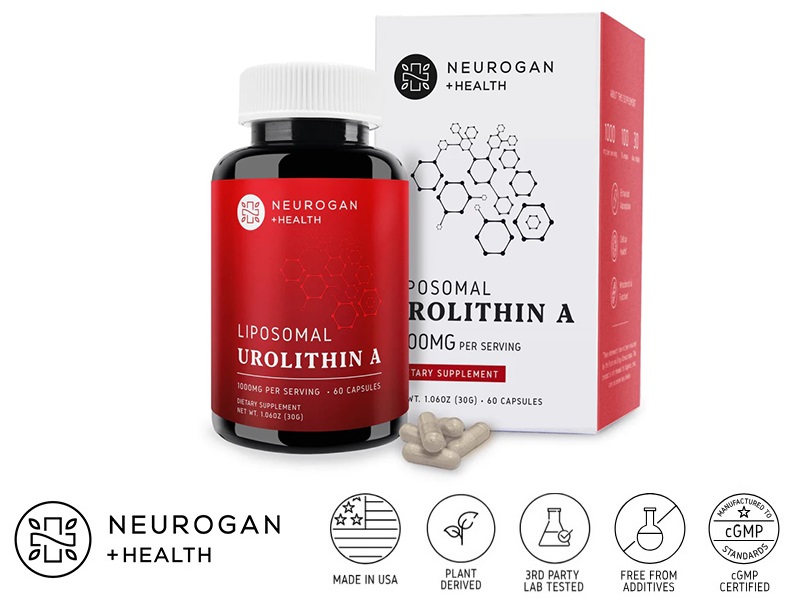
Some Urolithin A supplements use liposomal delivery, which means the compound is packaged inside tiny lipid-based spheres designed to protect it during digestion. This approach may improve absorption and help more of the supplement reach circulation, which is one reason liposomal products are often priced higher than standard capsules.
Mental Stamina And Reduced “Cognitive Drag”
When people talk about brain aging, they often describe a subtle drag: tasks feel heavier, attention slips sooner, and mental recovery after stress takes longer. If UA supports mitochondrial quality control, that could, in theory, support mental stamina. This is not guaranteed, but it is the most intuitive way to connect UA’s known biology to day-to-day cognition.
Support For A Healthier Inflammatory Balance
Inflammation is part of normal immune defense, but chronic low-grade inflammation can influence cognition and mood. Some preclinical research suggests urolithins can affect inflammatory signaling. If systemic inflammation is reduced, the brain may experience less background stress, which can support clearer thinking.
Oxidative Stress And Brain Aging
Oxidative stress is a wear-and-tear process that can affect mitochondria and neurons. Supporting mitochondrial turnover can be relevant here, because dysfunctional mitochondria can contribute to oxidative burden. UA’s appeal is partly that it targets a process tied to both energy production and cellular cleanup.
The Gut-Brain Connection
UA is linked to gut metabolism, so it naturally sits near the gut-brain conversation. The gut and brain communicate through nerves, immune messengers, and metabolites. While UA supplementation bypasses some of the variability of microbial conversion, it still fits the broader idea that gut-derived compounds can influence whole-body aging pathways.
What Urolithin A Usually Feels Like
UA is not a supplement most people describe as “noticeable” in the first dose. If it helps, the change often feels more like better baseline function than a dramatic boost. A helpful mental model is this: UA is more about making your average day better than making one day amazing.
Possible Experiences Over Time
- More consistent energy, especially during long days
- Improved sense of resilience when routine stressors pile up
- Subtle clarity that is easier to notice in hindsight
What Not To Expect
- Instant focus like caffeine
- A dramatic mood shift on day one
- A replacement for sleep, movement, and balanced nutrition
Because UA is tied to cellular pathways, people often evaluate it over weeks rather than hours. That is also why it pairs well with healthy aging goals instead of last-minute cramming for an exam.
Key Takeaways: Why UA Is Worth Watching
Urolithin A is under the radar because it is not flashy. Its main appeal is that it targets foundational biology tied to aging, especially mitochondrial quality control through mitophagy. Since the brain depends on efficient cellular energy and healthy maintenance pathways, UA has a credible theoretical connection to healthy brain aging.