

Some days you sit down, open your editor, and your brain locks onto the problem. Other days you read the same ticket three times and still feel strangely blank. The code has not changed, but your mind has. That shift from fuzzy to focused is all about cognitive performance.
Cognitive performance is your brain’s ability to pay attention, hold details in mind, make decisions, and stay emotionally steady while you work. In tech roles, where most of the job is thinking, it might be the single biggest factor in how effective you feel on any given day.
The good news is you do not have to rely on luck. You can support your brain the same way you support your tools, with simple habits, smarter work patterns, a better environment, and, if you choose, optional help from nootropics.
Contents
What Cognitive Performance Looks Like In Tech Work
You do not need a lab test to notice cognitive performance. It shows up directly in how your day feels.
Key Mental Skills You Use All Day
- Attention staying with a single problem long enough to solve it.
- Working memory holding several pieces of information in mind at once, like variables, states, and constraints.
- Cognitive flexibility switching perspectives, for example from user view to system view.
- Emotional regulation staying reasonably calm when tests fail or requirements change.
When these are running well, work feels challenging in a good way. When they are dragging, you get stuck in tiny tasks and start doubting your own skills.
Fuzzy Versus Focused Days
On a fuzzy day you might notice:
- Rereading the same code without really seeing it.
- Jumping between apps out of habit.
- Small mistakes that you would usually catch instantly.
On a focused day:
- You can hold the whole feature in your head while you code.
- Time passes quickly during deep work blocks.
- Bugs feel like puzzles instead of personal insults.
Daily Habits That Move You Toward Focused
You cannot control every meeting or deadline, but you can tilt the odds in favor of clearer thinking with a few steady habits.
Sleep As Core Brain Support
Sleep is where your brain resets memory, attention, and mood. Without enough of it, no productivity trick really lands.
- Try to keep a regular sleep and wake time, even on busy weeks.
- Give yourself a small wind down window without work messages or heated content.
- Avoid starting heavy debugging right before bed when you can help it.
Fuel, Hydration, And Movement
Your brain burns real energy. Living on coffee and random snacks is a quick route to brain fog.
- Eat simple, balanced meals that do not leave you half asleep afterward.
- Keep water in reach and sip through the day.
- Add small movement, short walks, stretches, or stairs, especially between meetings or coding blocks.
These small steps support steady energy, which turns into steadier focus.
Work Patterns That Protect Cognitive Performance
How you arrange your work matters as much as how many hours you work. A few structural changes can pull you out of the fuzzy zone more often.
Use Simple Focus Blocks
Context switching is a big enemy of cognitive performance. Instead of bouncing all day, use basic focus blocks:
- Pick one meaningful task for the next 40 to 60 minutes.
- Mute non essential notifications for that window.
- Take a 5 to 10 minute break away from screens afterward.
Even one or two blocks like this per day can make you feel noticeably more focused.
Put Hard Work In High Energy Hours
Most people have better and worse times of day. Use that instead of fighting it.
- Schedule design, architecture, and tricky debugging in your clearest hours.
- Move email, routine reviews, and admin tasks to lower energy times.
You are not adding more work, just matching mental load to your natural energy curve.
End The Day With A Short Shutdown
Leaving loose thoughts swirling around is a fast way to carry work stress into your evening.
- Write a quick note on where you stopped and the next step.
- Capture open questions and park them in your task system.
- Close your main work tools so they are not staring at you all night.
This gives your brain permission to rest, which is when real recovery happens.
Designing A Brain Friendly Environment
Your surroundings quietly shape how hard your brain has to work just to stay on track. Clean up the noise and focus gets easier.
Reduce Visual And Digital Clutter
Every random object or stray window is one more thing your brain has to ignore.
- Clear your desk of anything not related to current work.
- Close tabs you do not need for this session.
- Use separate desktops or virtual workspaces for coding versus communication.
Fix Your Notification Defaults
You can either design notifications or let them design your day.
- Turn off non essential alerts for chat and email.
- Use a focus mode during deep work with only important channels allowed.
- Check messages in batches instead of instantly.
Fewer interruptions mean fewer chances for your cognitive performance to drop with each context switch.
Where Nootropics Fit In Cognitive Support
Once your basics are somewhat steady, you might start wondering about nootropics. Many people in tech are curious about them as one more way to support mental performance.
What Nootropics Are (In Simple Terms)
Nootropics is a broad label for substances and supplements that people use with the goal of supporting functions like focus, memory, and mental clarity. Examples include:
- Caffeine combined with L theanine for smoother alertness.
- Individual nutrients that play a role in brain health.
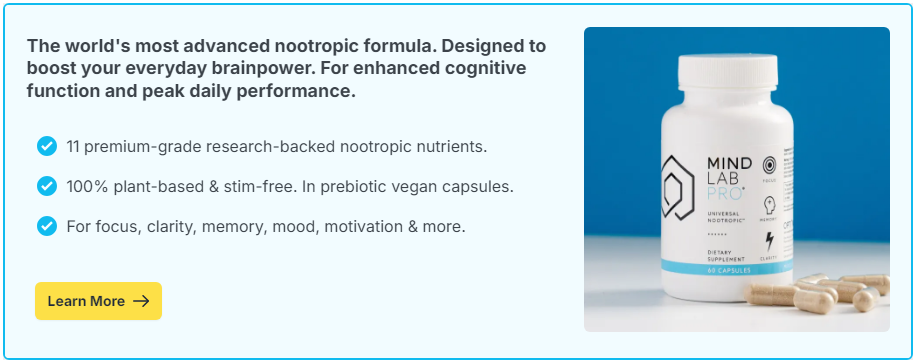
- More complete nootropic formulas intended for everyday cognitive support.
How To Think About Nootropics As A Tech Worker
A practical way to approach nootropics is to see them as an optional add on, not the main engine.
- Use them alongside sleep, movement, and good work habits, not instead of those.
- Notice how your focus and mood feel over several days, not just during one intense session.
- Be mindful of timing so anything stimulating does not interfere with sleep, or it will hurt your cognitive performance overall.
For some people, nootropics provide a modest boost in clarity or stamina, especially during demanding periods. They tend to work best when the rest of your system is already somewhat brain friendly.