

When developers talk about productivity, conversations often jump straight to big solutions, new frameworks, better project management systems, or complete life overhauls. Those have their place, but they can be hard to sustain and even harder to roll out when you are already busy.
In reality, a lot of your day is controlled by small patterns, how you start tasks, how often you switch context, how you handle breaks, how you set up your workspace. Tiny shifts in those patterns can free up a surprising amount of mental bandwidth without requiring dramatic change.
Think of your productivity not as one giant lever but as a collection of dials. Turn a few of them by just a bit, and your coding days feel smoother, clearer, and more manageable. You are still you, just operating with less friction and more focus.
Contents
Why Small Changes Matter More Than You Think
Productivity is less about rare bursts of peak performance and more about what happens on normal days. Small improvements that repeat quietly tend to beat huge, unsustainable pushes.
Compounding Effects Over Time
Answering fewer random messages during focus time, planning the day before opening chat, taking one real break every hour, each seems trivial on its own. Over weeks, these choices:
- Reduce the number of times you rebuild your mental model of a problem.
- Cut down on preventable mistakes and rework.
- Make it easier to start the next task, because you know what it is.
None of this shows up as a dramatic moment, but together it feels like more room in your head.
Lower Resistance Means Better Consistency
Grand plans often fail because they demand too much effort to maintain. Small shifts respect your limited time and willpower. They slide into your current routine instead of trying to replace it overnight.
The more a habit fits the life you already have, the more likely it is to stick and actually pay off.
Shifts In How You Plan Your Work
Many productivity problems start before you write a single line of code. Planning does not need to be elaborate, it just needs to give your brain a clear target.
Choose A Daily “Big Three”
Instead of facing an entire backlog every morning, pick up to three important outcomes for the day. For example:
- Finish integration tests for feature X.
- Refactor the billing helper to remove duplication.
- Review two pull requests that are blocking others.
Smaller tasks still get done, but you always know what truly matters. This cuts down on that “busy but nothing important finished” feeling.
Plan Before You Open Communication Apps
A simple shift is to plan your day before opening chat or email. Spend five minutes deciding:
- What you will tackle in your first focus block.
- Roughly when you will handle messages and reviews.
This keeps you from starting the day in reactive mode and handing control of your attention to the loudest notification.
Make Tasks Smaller Than You Think
Large, fuzzy tasks encourage procrastination. Create tasks you can finish in one sitting, for example “implement endpoint and test one path” instead of “build new API.” Quick wins build momentum and confidence.
Shifts In How You Protect Your Brain
Productivity is not just about time, it is about the quality of thinking you bring to that time. Protecting your brain from unnecessary fatigue is a major upgrade that does not cost much.
Use Simple Focus Blocks
You do not need a complex system. A basic approach works well:
- Pick one task.
- Work on it for 40 to 60 minutes with notifications muted.
- Take a 5 to 10 minute break away from screens.
Even two focus blocks like this per day can noticeably improve what you ship.
Make Breaks Actually Restful
Small shift, treat breaks as a reset, not as a time to scroll more content. Try:
- Standing and stretching.
- Walking to get water or a snack.
- Looking out a window for a few minutes.
These actions calm your nervous system instead of overstimulating it, which makes the next block of work sharper.
Support Your Brain With Simple Health Habits
You do not need an athlete level regimen. A modest routine already helps:
- Sleep at roughly the same time most nights.
- Drink water through the day, not only coffee.
- Move your body a little, even if it is just short walks.
These choices reduce cognitive fatigue, which quietly boosts productivity more than squeezing in one extra tired hour at night.
Nootropics As Optional Support
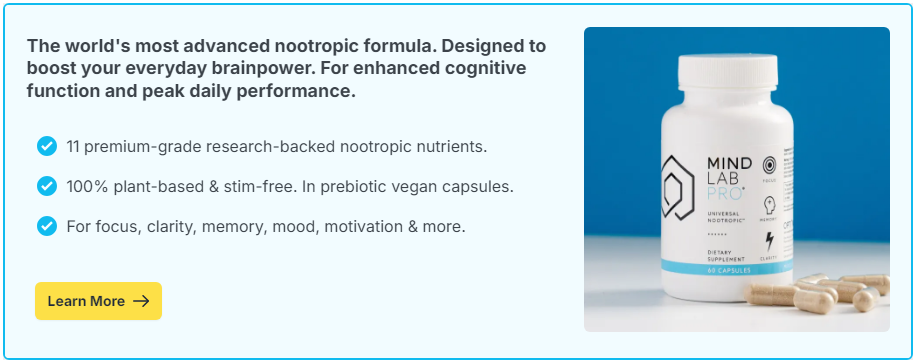
Some developers also look at nootropics, a broad term for substances and supplements used to support cognitive functions such as focus, memory, or mental clarity. Examples include caffeine with L theanine, certain nutrients, or more complete nootropic formulas designed for everyday brain support.
A practical approach is to treat nootropics as one small part of the picture:
- Use them alongside sleep, hydration, and good work habits, not instead of them.
- Pay attention to how your focus and energy feel over several days.
- Avoid taking anything in a way that disrupts your sleep, since that cancels out many benefits.
Nootropics will not turn a chaotic schedule into a productive one, but they can complement the other small shifts you make.
Shifts In Your Environment And Tools
Your workspace can quietly drain or support your attention. A few tweaks make it easier to focus without needing constant discipline.
Reduce Visible Clutter
A chaotic desk or a screen full of unrelated windows adds background noise. Try:
- Clearing your physical workspace at the end of the day.
- Closing tabs that are not relevant to the current task.
- Using one desktop or virtual workspace for code and another for communication.
Less clutter means fewer tiny distractions asking for attention.
Adjust Notifications Once, Benefit Every Day
One small project that pays off for months, prune your notifications.
- Mute non essential channels.
- Turn off badges for apps you rarely need during deep work.
- Use a focus mode for coding blocks with only critical alerts allowed.
You still stay reachable when it truly matters, but you avoid unnecessary context switches the rest of the time.
Simplify Repetitive Actions
Every keyboard shortcut, snippet, or template removes a tiny bit of friction. Over a day, those small savings add up.
A light habit is to notice any action you repeat a lot, then ask, “Can I make this one step easier” over time, your tools bend around your brain instead of the other way around.