

Do you ever walk into a room and instantly forget why you went there – especially when you are stressed? Or blank on someone’s name, lose track of what you were saying, or forget simple tasks right when you feel tense or anxious?
If anxiety seems to make your memory worse, you are not imagining it. Many people notice that the more worried or on edge they feel, the more things slip through the cracks. It is not because you are “dumb” or lazy. It is because anxiety makes your brain work differently.
Contents
What Anxiety-Related Forgetfulness Feels Like
When anxiety and memory mix, it might look like this:
- Forgetting what you were about to say in the middle of a sentence
- Struggling to remember simple details during stressful calls or meetings
- Leaving the house and wondering if you locked the door, even if you did
- Feeling like your mind is full of worry, but blank on practical things
It can be scary. You might even start worrying that something is wrong with your brain. In most everyday cases, though, this forgetfulness is your brain reacting to stress, not falling apart.
Why Anxiety Makes Your Memory Worse
There are medical conditions that can affect memory, and if you have sudden, serious changes, talking with a doctor is important. For many people, though, anxiety-related forgetfulness comes from a few simple brain patterns.
Your Brain Treats Worry As The Priority
When you feel anxious, part of your brain shifts into “threat mode.” It starts scanning for problems: What could go wrong? What did I mess up? What are people thinking about me? That worry loop uses up mental space.
Because worry gets first place, everyday details – like where you put your keys or what you were about to say – get pushed to the side. Your brain can only hold so much at once.
Anxiety Scrambles Your Focus
Good memory starts with good attention. If your attention is scattered by anxiety, your brain does not fully store what is happening in the first place. Later, when you try to remember, there is not much to pull back up.
It is not that you “lost” the memory. It often never got saved clearly because your mind was busy worrying.
Stress Chemicals Interfere With Clear Thinking
When you are anxious, your body releases stress hormones. In small bursts, these can help you react quickly. But when they stay high, they can make you feel jittery, distracted, and mentally foggy.
In that state, it is much easier to misplace things, forget details, or blank out in the moment, especially under pressure.
Simple Steps To Forget Less When You Are Anxious
You do not have to “fix” anxiety overnight to help your memory. Small changes can make it easier for your brain to hold onto things, even when you are stressed.
1. Move Worries Out Of Your Head And Onto Paper
When your brain is full of worries, it has less space for practical details.
Try this: Take one or two minutes to write down what you are worried about – no filter, no judgment. Just list it. Once the thoughts are on paper, your brain does not have to hold them as tightly, which frees up space for what you need to remember right now.
2. Use Tiny “Anchor Habits” For Important Tasks
When you are anxious, your mind drifts. Anchors are small, automatic actions that help you remember key things even when your thoughts are racing.
Try this:
- Always put your keys in the same bowl or hook when you walk in.
- Say out loud, “Locking the door now,” as you turn the lock.
- Put your wallet, phone, and keys together in one spot.
These little habits give your brain simple, repeatable patterns to lean on when anxiety makes it hard to think.
3. Pause And Breathe Before You Speak Or Act
Anxiety makes you rush. Rushing makes you forget.
Try this: Before you give an answer, start a task, or leave a room, take one slow breath in and out. Use that moment to quickly check: What am I doing? What do I need to remember? This tiny pause helps your brain register what is happening so it sticks better.
4. Use Simple External Reminders
You do not have to rely only on memory when your mind is busy.
Try this: Set phone reminders for important tasks, use sticky notes in visible spots, or keep a simple checklist for routines (like leaving the house). External reminders reduce the load on your anxious brain.
How A Brain Supplement Can Support Clearer Thinking
The steps above help by lowering mental clutter and giving your brain more structure when you are anxious. Still, many people feel that their thinking and memory are up and down – some days they are clear, other days they feel fuzzy and forgetful, especially under stress.
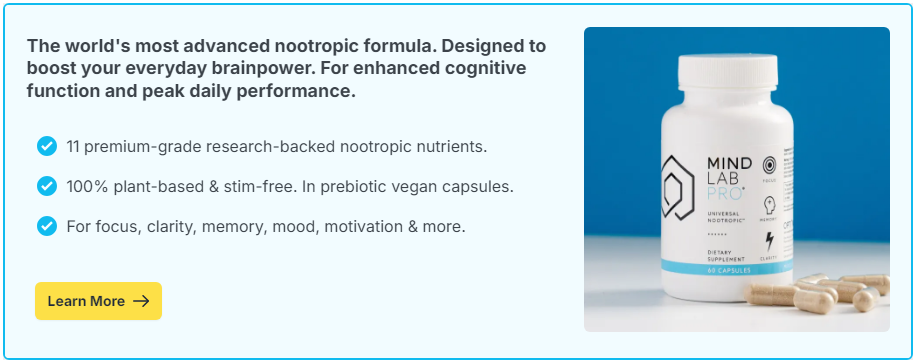
If you want extra support for clarity, focus, and memory while you work on managing anxiety, a brain supplement may be worth considering. Mind Lab Pro is a nootropic formula designed to support overall brain performance. It uses a blend of vitamins, plant extracts, and other researched ingredients that work together to help your brain with tasks like attention, recall, and clear thinking.
It is important to see Mind Lab Pro realistically. It does not erase anxiety or replace therapy, self-care, or professional help. A better way to think of it is as a stability solution for your mind. While you move worries to paper, build anchor habits, pause before acting, and use external reminders, a supplement like Mind Lab Pro may help your mental clarity feel more steady instead of swinging sharply with stress.
Anxiety makes you forget things not because your brain is broken, but because it is busy trying to protect you. When your mind is full of worry, it has less room and energy for everyday details. Stress chemicals and scattered attention make it easier to blank out, misplace things, or lose your train of thought.
By writing worries down, using small anchor habits, taking brief pauses before you act, and leaning on simple reminders, you can make forgetfulness less frequent even when you are anxious. If you want gentle extra support, a carefully designed brain supplement like Mind Lab Pro can help your thinking feel more stable in the background while you work on calming your mind and giving your brain a little more room to breathe.