

You sit down to do something simple – answer emails, read an article, work on a task – and within minutes you are reaching for your phone, opening another tab, or thinking about something else. Ten minutes feels like an hour. Your attention slips away, and you end up scrolling, snacking, or bouncing between tasks instead of finishing one thing.
If you feel like you cannot focus on anything for more than 10 minutes, it can be scary. You might wonder, “What is wrong with me? Why can’t I just concentrate like a normal person?” The truth is, a lot of people feel this way now – not because they are lazy or broken, but because their brains are constantly pulled in too many directions.
Contents
What Short Attention Really Feels Like
Short attention spans can show up in everyday life like this:
- Starting a task and quickly feeling an urge to check your phone
- Opening a document and then drifting off to social media without thinking
- Watching a video and skipping ahead because you are bored after a minute
- Feeling restless, fidgety, or mentally “itchy” when you try to focus
It is not that you cannot focus at all. You probably can focus on things that grab you – like shows, games, or social media. The problem is staying with anything that does not give instant reward or constant stimulation.
Everyday Reasons Your Attention Feels So Short
There are medical conditions that affect attention, and if you have serious or long-lasting problems, it is important to speak with a doctor. For many people, though, short focus comes from very common habits and environments.
Your Brain Is Used To Constant Stimulation
Short videos, quick posts, and rapid notifications train your brain to expect something new every few seconds. Over time, “normal speed” activities – like reading, studying, or working – feel slow and boring. Your brain starts looking for the next hit of stimulation instead of staying with one thing.
You Are Trying To Multitask All Day
Switching between apps, tabs, and conversations all the time makes it harder for your brain to lock in on one task. Every time you switch, your mind has to restart its focus. After a while, staying with a single thing for more than 10 minutes feels unnatural.
Hidden Stress And Mental Noise
Even if you do not feel extremely stressed, small worries about money, relationships, or work can run quietly in the background. Your brain keeps glancing back at those worries, which makes it hard to stay present with what is in front of you.
Low Mental Energy From Lifestyle Habits
Poor sleep quality, little movement, dehydration, and unsteady eating (like skipping meals or living on sugar and snacks) can leave your brain low on steady energy. When your mental energy is weak, focus becomes fragile and easily broken.
Simple Steps To Stretch Your Focus Beyond 10 Minutes
You do not need to turn yourself into a monk or throw away your phone. Small, realistic changes can slowly rebuild your ability to stay with things longer.
1. Use Tiny Focus Blocks (And Build Up Slowly)
Instead of forcing yourself to focus for an hour, start smaller on purpose. Set a timer for 10 minutes and choose a single task. During that time, do not switch apps, check your phone, or open new tabs. When the timer ends, take a short break. Over time, gently stretch those blocks to 15, then 20 minutes. You are training your brain like a muscle.
2. Turn Off The Most Distracting Notifications
Every buzz, ping, and banner pulls your mind away. Go into your phone and turn off non-essential notifications – social media, random apps, and anything that is not urgent. You can still check them, but they will not constantly break your focus while you are trying to work.
3. Keep One Main Task Visible
When you work on something, close unrelated tabs and apps so your main task is the only thing on the screen. A crowded screen gives your brain too many escape routes. A cleaner visual space helps your mind stay with the job in front of you.
4. Give Your Brain Bored Moments On Purpose
If every spare second is filled with scrolling, your brain never practices being still. Try leaving short gaps in your day without your phone – like when waiting in line or sitting on the couch. It may feel uncomfortable at first, but you are teaching your mind that it is okay not to be constantly stimulated.
How A Brain Supplement Can Support Better Focus
These habits are the foundation. They help your brain remember how to stay with one thing at a time and not chase every distraction. But even with better habits, many people still feel like their focus is fragile. Some days they can concentrate, other days their attention falls apart in minutes.
If that sounds like you, you may be interested in extra support for mental clarity, attention, and steady thinking. This is where a brain supplement can come in as part of your overall plan.
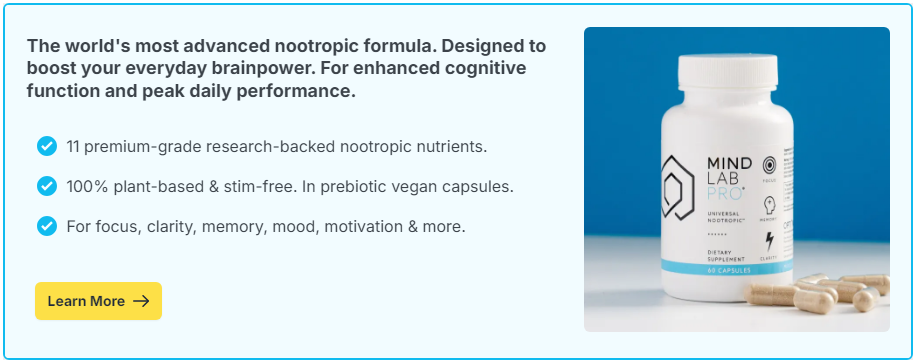
Mind Lab Pro is a nootropic formula designed to support different areas of brain performance, including focus and clear thinking. It uses a combination of vitamins, plant extracts, and other researched ingredients that work together to help your brain function more smoothly during everyday tasks.
It is important to see Mind Lab Pro not as a miracle pill, but as a “stability solution” for your mind. While you practice small focus blocks, guard your attention from constant notifications, and give your brain breaks from nonstop stimulation, a supplement like Mind Lab Pro may help your mental energy and clarity feel more steady from day to day.
Struggling to focus on anything for more than 10 minutes does not mean you are hopeless or broken. It often means your brain has been trained by constant stimulation, multitasking, and hidden stress to jump quickly instead of staying still.
By working in small focus blocks, silencing the most distracting notifications, clearing your screen, and allowing a little boredom back into your day, you can slowly stretch your attention span. If you want extra help along the way, a carefully designed brain supplement like Mind Lab Pro can add support for clearer, more stable focus as you retrain your mind to stay with what really matters.