

Retirement opens space for the projects you put off during busy years. The goal is not simply to pass time, it is to enjoy it with a mind that feels quick, curious, and steady. Biology still matters. Neurotransmitters ebb and flow, sleep patterns can shift, and attention may sparkle in some hours and sputter in others. The good news is that daily habits and a few well studied natural ingredients can help your brain stay lively without turning life into a supplement scavenger hunt.
The Brain’s New Rhythm After Retirement
Workdays used to set the tempo for thinking. Without that structure, some retirees notice sluggish mornings or a wandering afternoon mind. Physical activity might dip, social contact can thin out, and sleep timing sometimes drifts later. These small changes influence memory, mood, and attention. Rather than forcing old routines, design a new rhythm that fits your current life and supports your brain’s preferred schedule.
What Usually Changes
- Sleep timing: later bedtimes can reduce deep sleep that anchors memory.
- Movement: fewer trips and commutes reduce daily steps and blood flow to the brain.
- Social problem solving: less team interaction may lower the number of small mental challenges.
- Nutrition patterns: grazing can replace structured meals, which can rattle energy and focus.
These are not problems, they are signals. With a bit of planning, you can turn them into advantages that protect cognition for the long haul.
Foundations First: Sleep, Nutrition, And Movement
Nootropics work best on a solid base. Treat these three areas like the frame of a house. Everything else hangs on them.
Sleep That Locks In Learning
- Keep a consistent wake time, even on weekends, to anchor your body clock.
- Dim screens and overhead lights an hour before bed so melatonin can do its job.
- Keep the room cool and quiet, and consider a simple wind down ritual like light stretching or journaling.
Nutrition For Steady Energy
- Prioritize protein at breakfast for better motivation and focus.
- Build colorful plates with berries, leafy greens, beans, and olive oil to support long term brain health.
- Stay hydrated, especially if you drink coffee or tea in the morning.
Movement That Feeds The Mind
- Walk most days, even 20 to 30 minutes helps cognition.
- Add two light strength sessions weekly to support glucose control and brain blood flow.
- Mix in balance work, like single leg stands while brushing your teeth, to protect confidence and independence.
Nootropics With Evidence For Aging Brains
Nootropics are nutrients and botanicals that support mental performance. The ones below have research histories of interest for memory, attention, or stress resilience. They are not magic, they are tools. Use them alongside good habits and regular checkups.
Bacopa Monnieri: Memory Consolidation
Bacopa has a long traditional use and modern research interest for memory. Effects tend to build gradually, often over 4 to 8 weeks. Many users report easier name recall and better retention of new information. A practical approach is to take it daily with a meal and track small wins, like quicker recall of book plots or friends’ grandkids’ names.
Citicoline: Attention And Membrane Support
Citicoline provides choline and cytidine, which help maintain healthy neuronal membranes and support acetylcholine production. People often notice improved focus and mental clarity, especially during tasks that require switching between details, like travel planning or budget tracking.
L-Theanine: Calm, Attentive Mornings
L-Theanine, a calming amino acid from tea leaves, promotes a relaxed yet alert state. It pairs well with a modest amount of caffeine, smoothing edges and helping concentration without feeling wired. It is also useful on quiet days when you want clarity without extra stimulation.
Rhodiola Rosea: Afternoon Stamina
Rhodiola is known as an adaptogen that supports stress resilience and reduces fatigue. Many retirees like it for afternoon projects, such as organizing photos or learning a new instrument, where steady energy beats a quick surge.
Lion’s Mane Mushroom: Learning Mindset
Lion’s Mane has gained attention for supporting a learning mindset. While research is ongoing, many people report a sense of mental freshness during new skill practice. Pair it with lessons that challenge you just enough, like language drills or basic coding exercises.
Maritime Pine Bark Extract: Circulation Support
This extract contains procyanidins that support healthy circulation and antioxidant activity. Some users notice clearer head feel during reading or long conversations. As with many botanicals, consistency over weeks matters more than any single dose.
L-Tyrosine: Performance Under Pressure
Although retirement often lowers stress, there are still moments that call for sharp performance, like complicated travel days or tax prep. L-Tyrosine supports catecholamine synthesis and can help maintain focus when the day gets busy or sleep was short.
Cognitive Habits That Multiply Results
Supplements are only part of the picture. The brain grows with use, variety, and a little challenge.
Weekly Menu For The Mind
- Skill day: language lesson, musical instrument practice, or woodworking.
- Social day: lunch with friends, volunteer work, or a community class.
- Nature day: walk a new trail, notice sounds and textures, and breathe deeply.
- Logic day: puzzles, chess, or strategy games that require planning.
- Reflection day: journal about progress and what felt energizing.
Rotate these themes so your brain gets novelty and repetition in a balanced way. Curiosity is the most underrated nootropic of them all.
Keeping Curiosity Alive
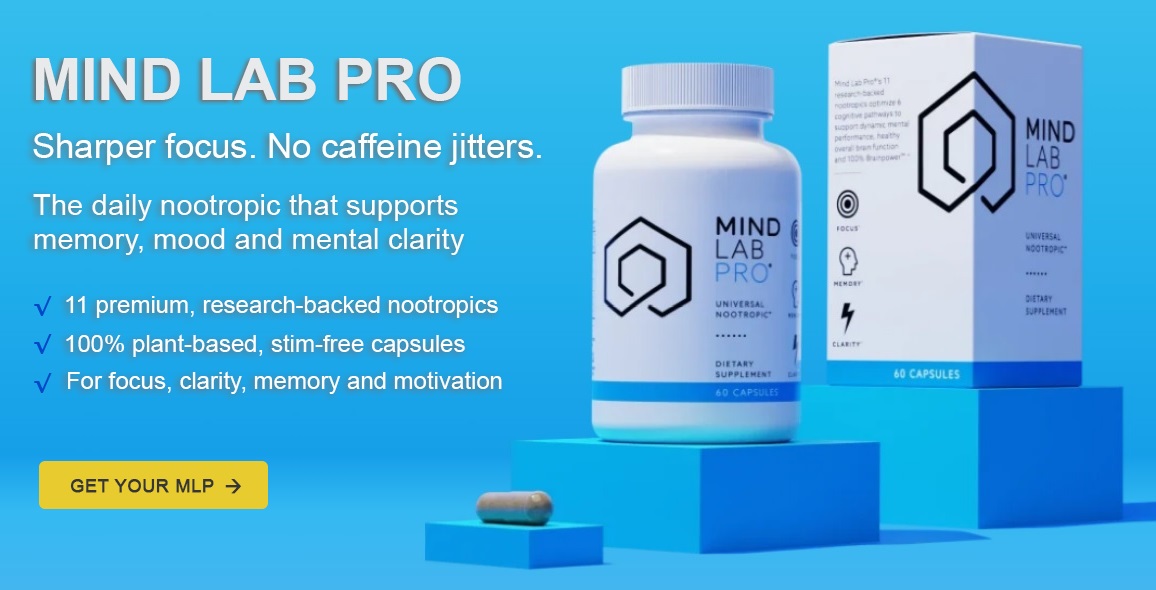
Retirement is a chance to set your own syllabus. Choose habits that make you feel capable and ingredients that support steady, enjoyable focus. Bacopa helps with memory over time, Citicoline and Phosphatidylserine care for the cellular side of thinking, L-Theanine and Rhodiola keep attention smooth, and Lion’s Mane and Maritime Pine Bark Extract round out the picture for learning and circulation. Add L-Tyrosine for those occasional high demand days. With patience and a little experimentation, you can build a routine that keeps the spark bright for years.