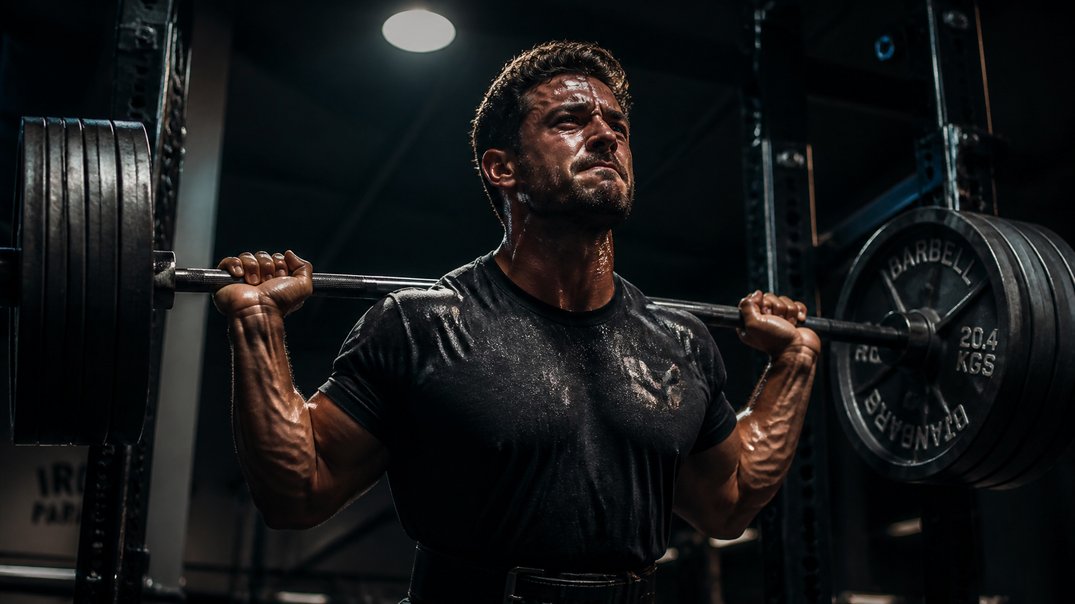
Not necessarily. Research suggests the way a workout is structured matters more than the weight alone. Sessions with moderate-to-high loads, higher volume, short rests, and large muscle groups tend to produce the biggest post-workout HGH rises, while very heavy, low-volume sessions with long rests tend to produce smaller ones. The post-workout rise also does not appear to predict muscle or strength gains, so several training styles can work well.
What Research Says About Heavy and Light Loads
A review in Sports Medicine reports that protocols high in volume, moderate to high in intensity, using short rest intervals, and stressing a large amount of muscle tend to produce the greatest acute HGH elevations compared with low-volume, high-intensity protocols that use long rests. A study on the National Library of Medicine site tested the idea directly. One group did low-volume, high-load lower-body work, at 80 to 90 percent of maximum with three-minute rests. The other did higher-volume, moderate-load work, at 60 to 70 percent with one-minute rests. HGH rose in both groups, and the moderate-load group had the greater increase.
Why Volume and Rest Time Matter
HGH release after a workout appears to track the overall metabolic demand of the session. A review of the exercise-induced growth hormone response in athletes notes that load and frequency are determining factors in resistance training. Short rests and multiple sets keep the working muscles under sustained demand, which helps explain why a moderate load with brisk pacing can outperform a very heavy load with long pauses.
What About Very Light Weights?
Light weights can also build strength and muscle when they are taken close to failure. In a 12-week trial of 49 resistance-trained men, one group lifted about 30 to 50 percent of their maximum for 20 to 25 repetitions per set, and the other lifted 75 to 90 percent for 8 to 12 repetitions, with every set performed to volitional failure. Both groups gained muscle and strength to a similar degree. All of the hormones measured, including HGH, rose after a single workout.
Does the Size of the HGH Rise Even Matter?
Interestingly, it does not seem to. The 49-man trial found no significant correlations between the acute post-exercise rise in any measured hormone and the change in strength or muscle size. The study of high-load and moderate-load protocols reached a similar conclusion, stating that the idea that acute hormone elevations are important for strength adaptation could not be supported. The HGH surge is a fascinating part of the body’s response, and it is not the only route to results.
How HGH Releasers Differ From Prescription HGH
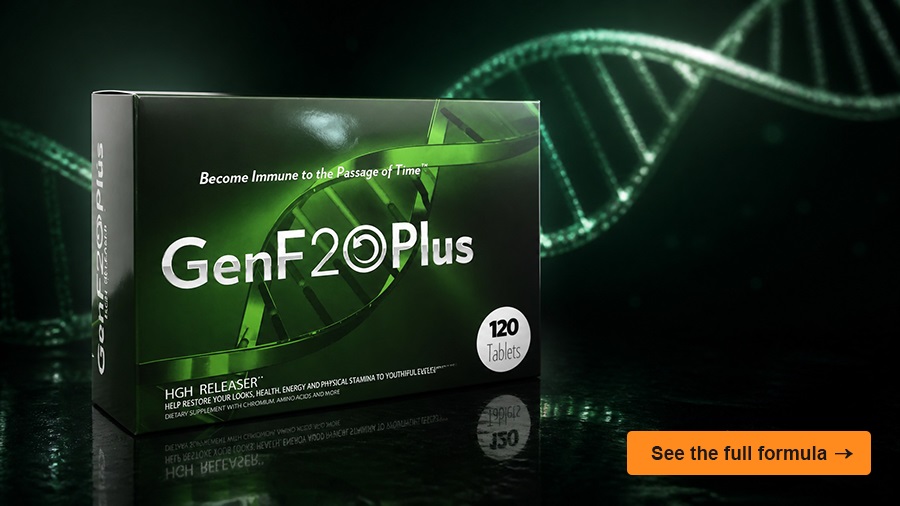
Everything in this article describes the body’s own natural HGH response to exercise. Prescription HGH is an injectable medicine that doctors prescribe for specific medical conditions. HGH releasers are a separate category: over-the-counter dietary supplements formulated with ingredients, such as amino acids and other nutrients, intended to support your pituitary gland’s own release of HGH. The two are different products and are studied separately. Like other dietary supplements, HGH releasers are not intended to diagnose, treat, cure, or prevent any medical condition.
Where HGH Releasers Fit Into a Healthy Routine
Men who take a releaser typically do so as one part of a routine that includes training, nutrition, and rest. If you are curious about trying one, it is sensible to check with your doctor first, particularly if you take medication or have an existing health condition.
Frequently Asked Questions About Training Load and HGH
Are HGH Releasers the Same as Prescription HGH?
No. Prescription HGH is an injectable medicine used for specific medical conditions. HGH releasers are over-the-counter dietary supplements formulated to support the body’s own natural growth hormone release.
Does a Bigger Post-Workout HGH Rise Mean Bigger Muscle Gains?
Research so far says no. In a trial of 49 resistance-trained men, the size of the post-exercise hormone rise was not significantly related to gains in strength or muscle size.
Should I Talk to My Doctor Before Trying an HGH Releaser?
Checking with your doctor is a smart step, especially if you take medication or have a health condition. Your doctor can help you decide whether a supplement fits your situation.