
Research has not shown that HGH improves sleep in healthy men. In adults with a diagnosed deficiency...
Oscar Forrester
Very Big Brain is written by Oscar Forrester, a researcher and writer with a long-standing fascination with how the brain works. Oscar spent several years working in hospital IT, including on infection control systems, and grew up in a household shaped by medicine — his father was a physician and his mother a registered nurse. He is not a clinician himself, and nothing on this site should be taken as medical advice. What he brings instead is a rigorous, source-first approach to research, honed over two decades of writing (he’s authored numerous published books, primarily on software development), and a genuine curiosity about the science of cognition. Mr. Forrester strives to present complex topics in a clear and engaging manner, making it easy for you to understand and apply the knowledge to your daily life.
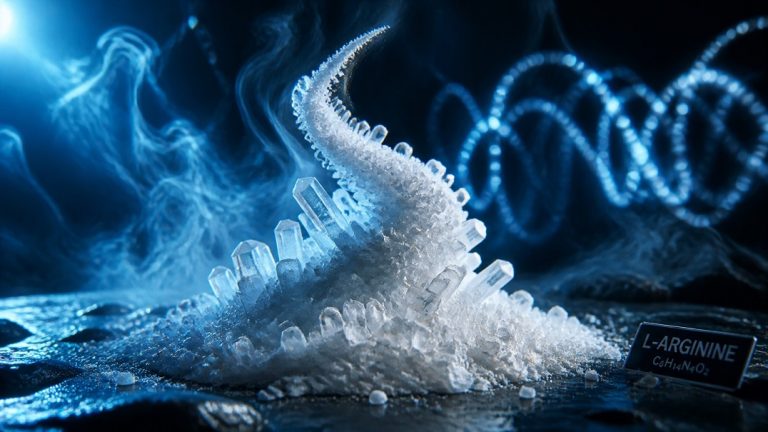
Yes, modestly, in controlled studies. Intravenous arginine reliably raises growth hormone, and oral doses of roughly 5...

For healthy men without symptoms, there’s no standard recommendation to test testosterone on a routine schedule at...

In research on pharmaceutical HGH, body composition shifted toward more lean mass and less fat in adults...
For some men, yes, particularly those who are low in magnesium or physically active. Research suggests magnesium...
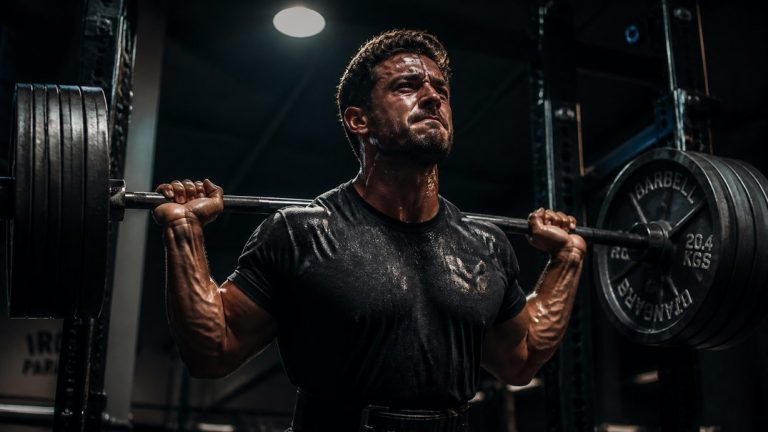
Not necessarily. Research suggests the way a workout is structured matters more than the weight alone. Sessions...

Height is highly heritable, and a large genetic study found that a full standard deviation higher IGF-1...

Garlic has reasonably solid human research behind its ability to support healthy blood flow and blood vessel...
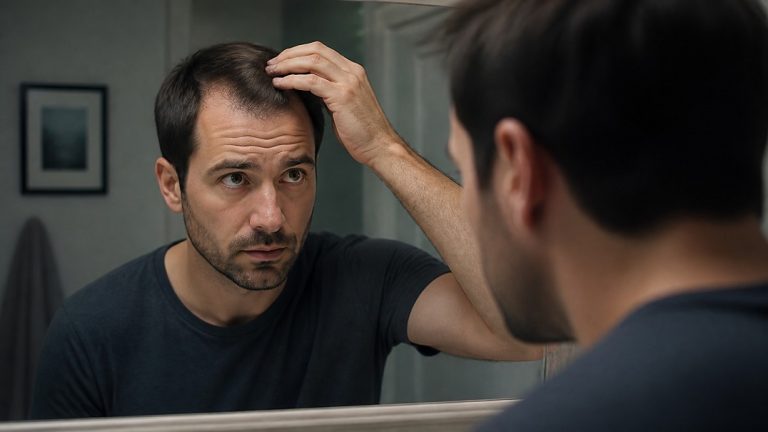
Hair follicles respond to IGF-1, the partner hormone, and people with severe growth hormone deficiency or resistance...

Chronic stress is linked to lower growth hormone activity, largely because long-lasting stress hormones such as cortisol...