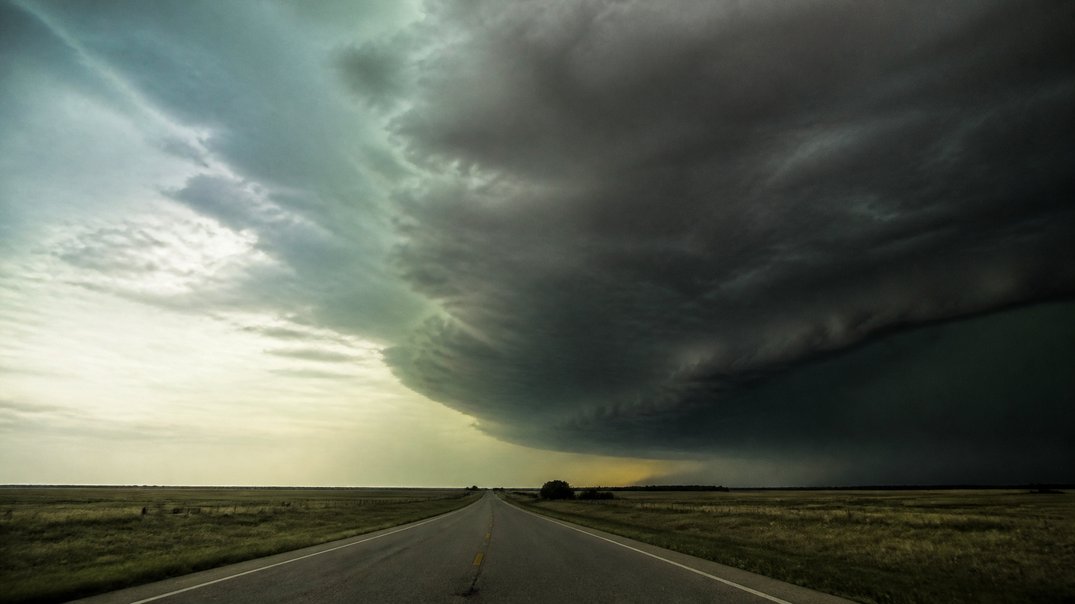
Some people smell incoming rain first because several scents arrive before the storm and noses differ in how well they pick them up. Ozone can drift down ahead of a storm, geosmin from soil is detectable by some people at extremely low levels, and genetic differences in smell receptors change how strongly individuals perceive odors. Experience and attention likely help too, so the person announcing rain may simply be tuned in.
The Three Scents Behind That Rainy Smell
Smithsonian Magazine’s explainer describes three ingredients. Petrichor, a term coined in 1964 by two Australian scientists, refers to plant oils that build up in dry soil and rock and are released when rain follows a drought. Geosmin is a compound made by soil bacteria called actinomycetes. Falling rain launches their spores into the air, and moist air carries the scent to your nose. Ozone forms when lightning splits oxygen and nitrogen molecules, and it has a sharp, chlorine-like scent.
Why Ozone Can Arrive Before the Storm
Ozone can sometimes be smelled before a storm because it can travel from high altitudes. That gives sensitive noses a head start: a sharp, clean note in the air while the sky is still dry. If the storm has not yet reached you, the scent can feel like a prediction. Soil smells need rain on the ground to be stirred up, so the earliest warning is more likely to be ozone than geosmin.
How Sensitive Is the Human Nose?
Humans are better at this than many people assume. According to the same report, some people can detect geosmin at concentrations as low as 5 parts per trillion. Geosmin also gives beets their earthy taste, so the molecule is familiar even to people who have never thought about rain.

Culture shapes the experience too. One anthropologist studying the Pitjantjatjara people of Western Australia found that they associate the smell of rain with the color green, a link she calls cultural synesthesia.

Why Noses Differ From Person to Person
Genetics adds another layer. In a study from the Monell Chemical Senses Center, 332 participants rated the intensity and pleasantness of nearly 70 odors while researchers sequenced more than 400 olfactory receptor genes from each person. Changing a single receptor often noticeably altered how people perceived an odor. Receptor function was frequently linked to perceived strength, and some changes affected pleasantness too.
People with a less-functional OR11A1 receptor, for example, rated an earthy compound found in beets as weaker. The study did not test rain scents, so applying it to petrichor is an inference. Still, it shows how two people can stand in the same air and smell different things.
Train Your Nose for Weather
You can sharpen this skill with a simple routine:
- Step outside at the same time on dry afternoons and notice the baseline smell of the air.
- Pay attention to a sharp, clean note before storms and see whether it predicts rain.
- Keep a short weather and scent log for a few weeks.
Expect mixed results, since smell is only one of many weather cues. Shifting wind, darkening clouds, and changes in humidity tend to arrive around the same time, so your best predictions will probably come from combining several signals rather than trusting your nose alone. Over a few weeks, you may find that your sense of the air becomes more specific.
Attention, Memory, and Where Nootropics Fit
Noticing subtle cues takes attention, and remembering them takes memory. Curious readers sometimes wonder about nootropics, supplements marketed for focus and memory. Evidence varies widely by ingredient, and the research above does not suggest they change how well you smell.
Frequently Asked Questions
Can Humans Really Smell Rain Before It Arrives?
Sometimes. Ozone formed by lightning can travel from high altitudes, so it can be smelled before a storm reaches you. Individual sensitivity varies.
What Causes the Smell After Rain?
Plant oils that build up in dry soil, a mixture called petrichor, and geosmin from soil bacteria both contribute. Rain launches bacterial spores into the air, and moist air carries the scent to your nose.
Why Do Some People Notice Smells More Than Others?
Genetic variation in olfactory receptor genes can change how strong an odor seems. Attention, culture, and experience likely add to the differences.