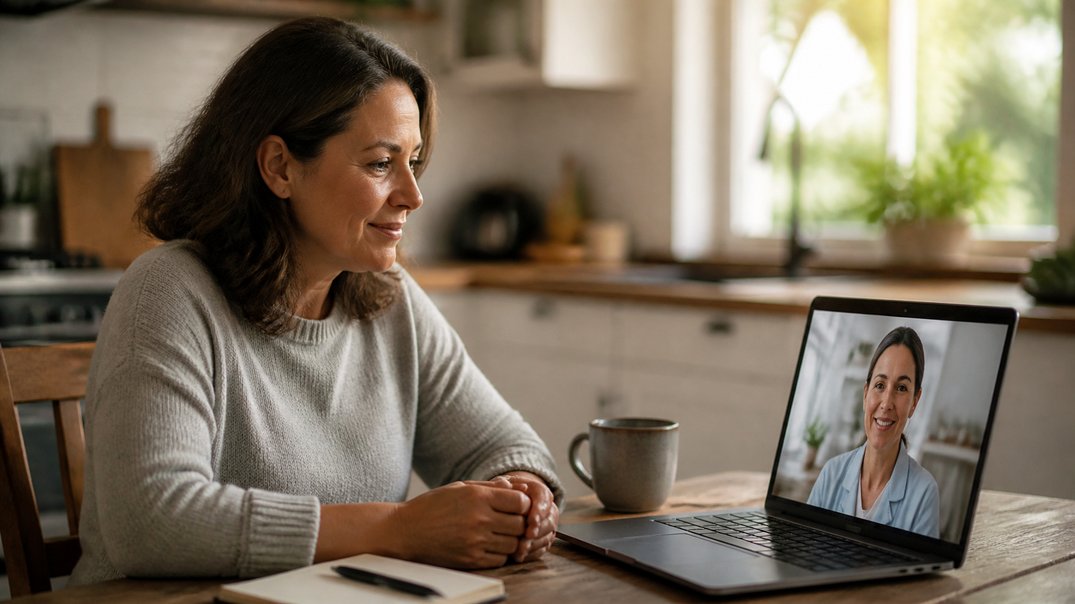
Online prescription care lets you meet a licensed clinician by video, phone, or secure message and, when a medicine is appropriate, have a pharmacy fill and deliver it. This step-by-step guide walks through each stage, from your first intake form to delivery, and shows how to recognize a safe online pharmacy.
Most online care begins with an intake, which is a set of forms about your health. The U.S. Department of Health and Human Services suggests you complete any forms ahead of time, list the medicines you take with their doses, and note any food or medicine allergies. If you track numbers such as weight, blood pressure, or blood sugar, have recent readings handy. Write down your questions too, so nothing gets missed. Ask about cost before the visit, since fees vary. The more complete your history is, the better your clinician can judge whether a treatment is a safe fit for you.
Step Two: Meet a Licensed Clinician
Next, you connect with a clinician, either live on video or through messages and forms that the clinician reviews later. The clinician asks about your symptoms, medical history, and goals. Licensing rules matter here. HHS notes that telehealth licensure requirements vary at the federal, state, and cross-state levels, so clinicians must follow the rules for where you are located. HHS also notes that authorized providers can prescribe controlled substances, which are medicines with higher misuse risk, only if they meet certain criteria. The clinician may order lab work, suggest an in-person exam, or decide that a prescription is not appropriate for you.

Step Three: Pharmacy, Delivery, and Follow-Up
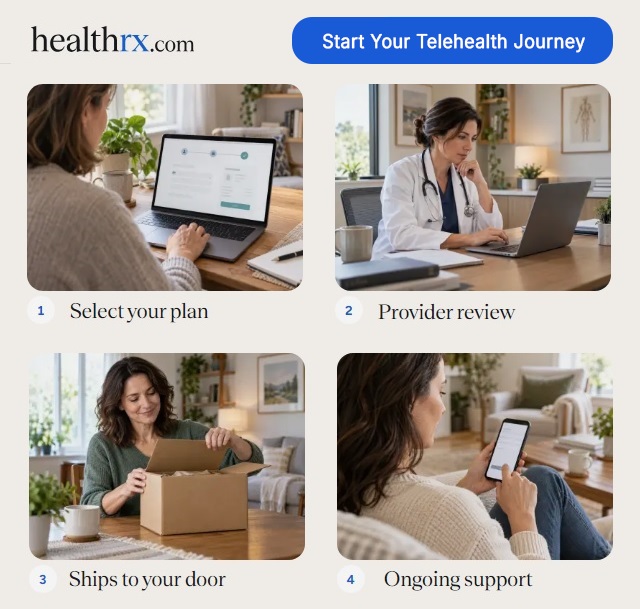
If a clinician prescribes a medicine, the prescription goes to a pharmacy, which fills it and ships it or makes it available for pickup. Read the label and any printed guide when it arrives, and ask the pharmacist if anything is unclear. Plan a follow-up as well. Your clinician may check how you are doing, review lab results, and adjust or stop treatment. Keep a list of any side effects and share it at each check-in, since your care team can only act on what it knows. If your situation changes, such as a new medicine from another provider, tell your clinician before your next dose.
How to Spot a Safe Online Pharmacy
The FDA explains that a safe online pharmacy always requires a doctor’s prescription, gives a physical address and telephone number in the United States, has a licensed pharmacist on staff to answer questions, and is licensed by a state board of pharmacy. Warning signs include sites that do not require a prescription, deep discounts that seem too good to be true, and medicine that looks different, arrives damaged, or is missing or past its expiration date. Also be wary of unexpected charges and of sites without clear privacy protections. When in doubt, ask the pharmacy for its license details and confirm them with your state board of pharmacy before you order.
Frequently Asked Questions
Will an Online Clinician Always Prescribe a Medicine?
No. A clinician decides based on your history, symptoms, and any lab results. The clinician may recommend a different treatment, more testing, or an in-person visit instead of a prescription.
What Should I Have Ready for My Visit?
Have your medicine list with doses, any allergies, recent readings such as blood pressure or weight, and your questions. HHS also advises testing your device and internet connection and finding a quiet, private spot.
How Can I Tell if an Online Pharmacy Is Legitimate?
The FDA says to look for a required prescription, a U.S. address and phone number, a licensed pharmacist on staff, and a state board of pharmacy license. Be wary of prices that seem too good to be true.
Can Controlled Substances Be Prescribed Online?
HHS says authorized providers can prescribe controlled substances through telehealth if they meet certain criteria. Rules can differ by state and change over time, so ask your clinician what applies to you.
Good to Know
Every medicine can cause side effects, so ask your clinician and pharmacist what to expect and which symptoms need attention. Tell your clinician about all medicines, supplements, and allergies, and talk with a clinician first if you are pregnant, breastfeeding, or have a chronic condition. Seek urgent help for trouble breathing, swelling of the face or throat, a severe rash, or chest pain, and never use online care for an emergency.
Take the Next Step With a Licensed Clinician
Want to see how online prescription care works for yourself? Start with an online assessment. An independent licensed clinician reviews your health history and goals and, when a prescription is appropriate, a licensed pharmacy delivers it to your door. You stay in charge and can move at your own pace.
This article is educational and is not medical advice.