

Pulsed electromagnetic fields, usually shortened to PEMF, sit at an interesting crossroads between modern technology and how the brain naturally works. While the name can sound technical, the basic idea is surprisingly intuitive: the brain already operates through electrical activity and rhythms, and PEMF introduces gentle, patterned magnetic pulses that may interact with those rhythms.
PEMF has become a growing topic in brain health conversations because it offers a non-invasive way to support mental states like relaxation, focus, and sleep readiness. Understanding how it works makes it much easier to see why so many people are curious about incorporating it into their daily routines.
Contents
What PEMF Is And Why It Gets Attention
PEMF stands for pulsed electromagnetic field. Unlike a constant magnetic field, PEMF is delivered in pulses, meaning the field turns on and off in specific patterns. You can think of it like a rhythm or beat rather than a steady hum.
This matters because the brain itself is rhythmic. Neurons communicate through electrical signals, and when large groups of neurons fire together, they create patterns of activity often described as brainwaves. PEMF draws interest precisely because it introduces an external rhythm that may interact with the brain’s own electrical patterns.
The Brain As An Electrical System
The brain runs on electricity. Every thought, movement, and sensation is supported by electrical signaling between neurons. When scientists measure brain activity, they often see repeating patterns that fall into general frequency ranges, each associated with certain mental states.
- Slower rhythms are commonly linked with relaxation, calm awareness, and sleep-related states.
- Moderate rhythms often appear during learning, creativity, and steady attention.
- Faster rhythms are frequently present during focused thinking, problem solving, and active engagement.
Because the brain naturally shifts between these patterns throughout the day, tools that support smoother transitions can be especially appealing. PEMF is discussed in this context because it introduces frequency-based signals that align with how the brain already operates.
How PEMF May Influence Brain Activity
Research into electromagnetic stimulation looks at several pathways through which PEMF may interact with the brain. In everyday wellness use, the most commonly discussed mechanisms involve brainwave entrainment, nervous system balance, and overall support for mental clarity.
Brainwave Entrainment And Rhythmic Support
Brainwave entrainment refers to the tendency of the brain to synchronize with an external rhythm. This phenomenon is not unusual. People experience it when music influences mood or when breathing naturally slows during calm moments.
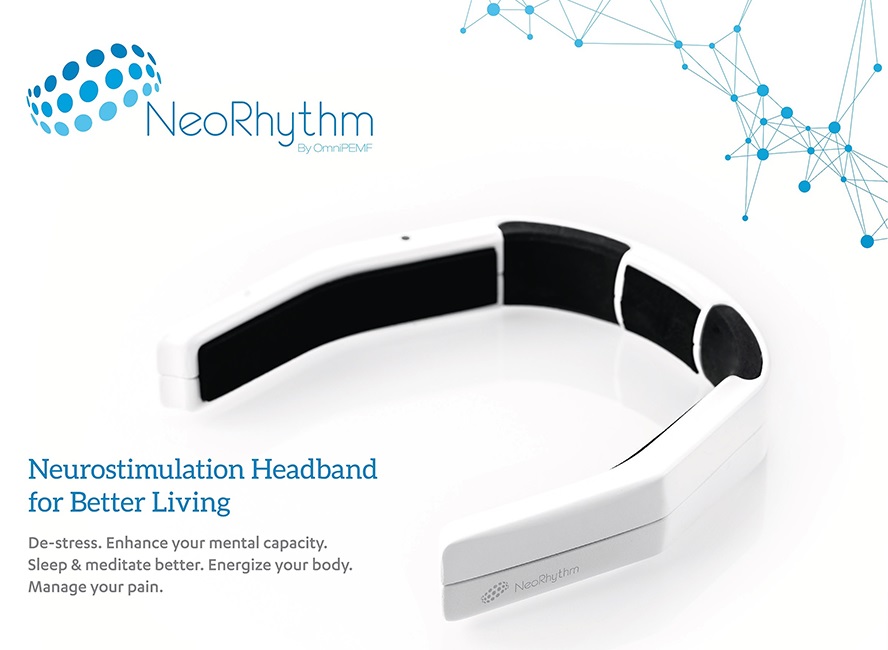
With PEMF, the pulses act as a steady external signal. Over time, this can make it easier for the brain to settle into a particular state. Some wearable devices are built around this concept, offering frequency-specific sessions intended to support calm, alertness, or sleep preparation. NeoRhythm is one example of a consumer PEMF wearable that uses different frequencies and positioning to support these kinds of state shifts.
Supporting Nervous System Balance
Many people spend much of their day in a heightened state of mental activity. Constant notifications, deadlines, and stimulation can make it harder to shift into rest or focused calm when desired. PEMF sessions are often used as intentional pauses, helping signal to the nervous system that it is time to change gears.
When used consistently, PEMF can become part of a routine that supports smoother transitions between effort and recovery. This kind of balance plays an important role in long-term brain health.
Cellular And Circulatory Considerations
Another area of interest involves how electromagnetic fields may influence circulation and cellular processes. The brain depends on steady blood flow and energy availability, and environments that support these fundamentals can contribute to mental clarity and resilience. While PEMF is not a substitute for healthy habits, it fits well alongside them.
Why Frequency And Timing Matter
PEMF is not a one-size-fits-all signal. The frequency and timing of pulses play a major role in how sessions are experienced. Sessions designed for alertness are typically used earlier in the day, while slower, calming sessions fit naturally into evening routines.
This is one reason structured PEMF programs tend to feel more purposeful than random use. When frequency, timing, and intention line up, the brain receives a clear message about what state is being supported.
Pairing PEMF With Daily Habits
PEMF works best when it complements what you are already doing. Pairing sessions with supportive habits helps reinforce the effect:
- For focus: use PEMF before concentrated work, along with a clear task list and fewer distractions.
- For relaxation: combine sessions with slower breathing, gentle movement, or quiet time.
- For sleep: use PEMF as part of a consistent wind-down routine with reduced light and screen exposure.
Over time, these pairings can help the brain associate PEMF sessions with specific states, making transitions feel more natural.
What People Often Notice With Consistent Use
Because PEMF works through subtle interactions with brain activity, changes are often experienced as gradual improvements rather than dramatic moments. People commonly report feeling more settled after stressful periods, finding it easier to focus when they choose to, or transitioning into sleep with less mental resistance.
Tracking simple markers, such as how quickly you settle into a task or how relaxed you feel in the evening, can help you recognize these patterns over time.
PEMF As Part Of A Modern Brain Health Toolkit
Pulsed electromagnetic fields offer an interesting way to work with the brain’s natural rhythms rather than against them. When used thoughtfully, PEMF can support focus, relaxation, and recovery by reinforcing the signals your brain already understands.
As part of a broader approach that includes sleep, movement, nutrition, and mental balance, PEMF fits naturally into modern brain health routines. Its appeal lies in its simplicity: gentle signals, consistent timing, and support for the states that help people feel and function at their best.