

Falling asleep is supposed to be natural, like blinking or getting hungry. And yet, plenty of people climb into bed and discover their brain has scheduled a surprise meeting titled “Let’s Revisit Every Awkward Moment Since 2009.”
One helpful way to think about sleep is that it is not a single switch, it is a transition. The brain shifts through different rhythms as it moves from alertness to drowsiness to deeper sleep. Theta brainwaves are often associated with that in-between space, the dreamy, drifting zone where your thoughts start to loosen their grip and the body begins to settle.
Here we look at non-invasive ways to encourage theta-friendly conditions at night. These strategies are not about forcing sleep. They are about setting the stage so your brain can do what it already knows how to do.
Contents
- What Theta Brainwaves Are And Why They Matter at Night
- Start With The Sleep Signals Your Brain Trusts
- Breathing And Relaxation Techniques That Support The Shift
- Sound, Rhythm, And Gentle Sensory Inputs
- Non-Invasive Neurotechnology Tools, Including PEMF
- A Simple Theta-Friendly Night Routine You Can Try Tonight
- Common Mistakes That Make Theta Harder To Reach
What Theta Brainwaves Are And Why They Matter at Night
Brainwaves are patterns of electrical activity that change throughout the day. While the brain is always running multiple frequencies at once, certain ranges tend to show up more during specific states.
Theta is commonly discussed as a slower rhythm that appears during drowsiness, early sleep stages, deep relaxation, and that “half-awake, half-dreaming” feeling. If you have ever had a brilliant idea right as you were drifting off, then forgot it by morning, you have visited theta territory.
Theta is not a guarantee of perfect sleep, but it is part of the natural pathway into it. Supporting that pathway often feels like making bedtime less of a battle and more of a glide.
Start With The Sleep Signals Your Brain Trusts
Your brain is a pattern-recognition machine. It does not only respond to bedtime, it responds to cues that predict bedtime. When those cues are consistent, the brain starts shifting earlier and more smoothly.
Dim Light And Warm Lighting
Bright light, especially in the evening, tells your brain it is still daytime. Dimming lights an hour or two before bed is one of the simplest ways to encourage a calmer rhythm. Warm, amber lighting is often easier on the nervous system than bright white or blue-tinted light.
If screens are unavoidable, reducing brightness and using warmer display settings can help. The goal is not perfection, it is giving your brain fewer “stay awake” signals.
Cool Temperature And A Warm “Skin Cue”
Many people sleep best in a cooler room. A warm shower or bath before bed can also help, not because you want to stay warm, but because the body often cools afterward, and that cooling is a sleep-friendly signal.
Think of it as guiding the body toward the conditions that make drowsiness feel natural.
Predictable Timing
Going to bed and waking up at roughly the same time trains your circadian system. When timing is consistent, the brain starts preparing earlier. That preparation can include shifts toward slower, more relaxed rhythms as the evening progresses.
Breathing And Relaxation Techniques That Support The Shift
If your nervous system is stuck in “go mode,” theta can be hard to access. Breathing and relaxation techniques help because they change the body’s signals first, then the brain follows.
Longer Exhales
Extending the exhale is a simple way to cue relaxation. A practical pattern is inhaling for a count of four and exhaling for a count of six. Do that for a few minutes and you may notice your thoughts becoming less sharp-edged.
It is not magic, it is physiology. When the body gets the message that it is safe, the brain often becomes less vigilant.
Progressive Muscle Relaxation
This technique is exactly what it sounds like: gently tense a muscle group for a few seconds, then relax it. Work from your feet to your face. It is surprisingly effective for people whose bodies hold stress like a sponge.
“Cognitive Offloading” for Busy Minds
If your brain spins because it is trying to remember everything, write it down. A simple “tomorrow list” on paper signals that the job is handled. You are not forgetting, you are storing it somewhere safer than your pre-sleep brain.
Sound, Rhythm, And Gentle Sensory Inputs
The brain responds strongly to rhythm. That is why lullabies work, and why a steady fan can feel comforting. You can use this sensitivity to create conditions that support drifting.
Steady Soundscapes
White noise, pink noise, rain sounds, and other steady soundscapes can mask sudden noises that jolt you out of relaxation. They also create a consistent sensory background that makes it easier to disengage from the day.
Slow, Repetitive Audio
A calm audiobook, a familiar podcast at low volume, or guided relaxation can be helpful, especially if silence makes your thoughts louder. The trick is choosing something soothing and predictable, not a true-crime story that turns your nervous system into a security guard.
Non-Invasive Neurotechnology Tools, Including PEMF
Beyond habits and sensory cues, some people use non-invasive tools designed to support brain-state transitions. These tools generally aim to provide signals that align with calmer rhythms, which can make it easier to settle at night.
PEMF And Brainwave Entrainment Concepts
Pulsed electromagnetic fields (PEMF) are structured magnetic pulses delivered at specific patterns. In the sleep context, PEMF devices often use slower pulse patterns intended to support relaxation and the transition into drowsiness.
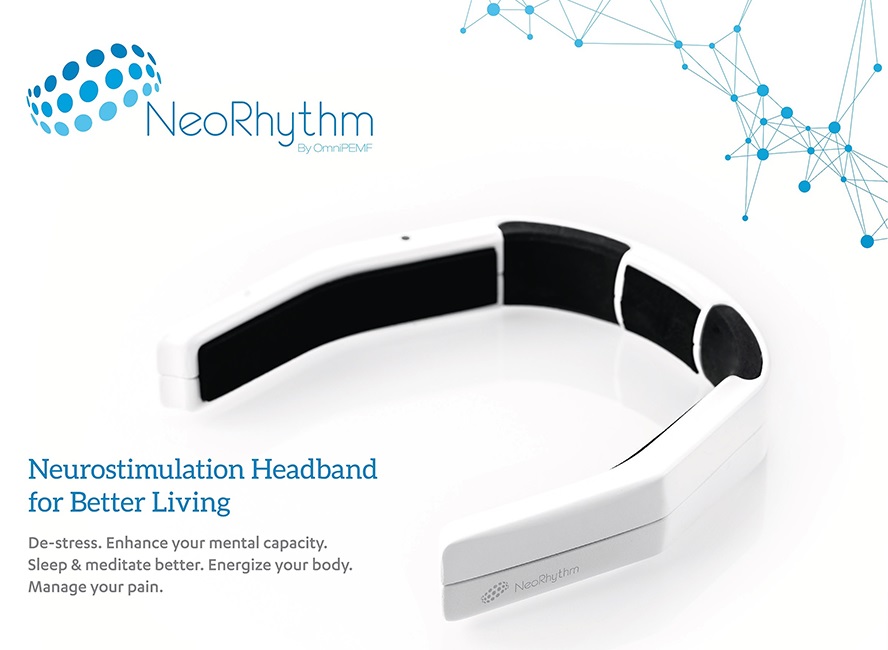
One example is NeoRhythm, a wearable PEMF headband that offers frequency-based programs designed around states like relaxation and sleep readiness. In general, the appeal of a tool like this is that it can become part of your bedtime ritual, a consistent cue that supports the “we are winding down now” shift.
Light And Sound Entrainment Tools
Some people use audio tones or light-based devices designed around rhythmic stimulation. If you try these, keep the settings comfortable and avoid anything that feels stimulating. Nighttime is not the time to test “extreme focus mode.”
A Simple Theta-Friendly Night Routine You Can Try Tonight
Here is a practical routine that takes about 30 to 45 minutes. Adjust it to your life, not the other way around.
- Lights down. Dim the room and switch to warm lighting.
- Brain dump. Write down tomorrow’s top three tasks and anything you are worried you will forget.
- Body cue. Take a warm shower, or do five minutes of gentle stretching.
- Breathing. Inhale 4, exhale 6 for 3 to 5 minutes.
- Soundscape. Turn on a steady noise or calming audio at low volume.
- Consistent cue. If you use a non-invasive tool like a PEMF session, place it at the same point in the routine nightly.
When this becomes a pattern, your brain starts recognizing bedtime before your head hits the pillow. That recognition is powerful, and it is one of the friendliest ways to encourage the theta transition.
Common Mistakes That Make Theta Harder To Reach
Saving Stress for Bedtime
Many people try to process the entire day’s emotions right as they want to sleep. It is understandable, but it backfires. If you can schedule worry time earlier, even 10 minutes, bedtime becomes less crowded.
Too Much Novelty
The brain loves novelty, and novelty wakes it up. New shows, intense games, heated debates, and last-minute work emails are all invitations to stay alert. Familiar, low-stakes activities help the brain loosen its grip.
Over-Caffeinating the Afternoon
Caffeine has a long half-life. If sleep is a priority, consider pulling caffeine earlier in the day and noticing how your evenings feel. This one change can make the entire wind-down process smoother.