

Focused attention is one of the most valuable brain skills you can have, and one of the easiest to lose. You sit down to work, open a document, and suddenly you are researching whether dolphins have names. (They do, by the way.)
That tug-of-war is not a character flaw. It is the brain doing what it evolved to do: scan for novelty, prioritize potential threats, and conserve energy. Focus is a trained state, and like any trained state, it gets better when you understand what is happening under the hood.
Here we look at how the brain creates focused attention, how brainwave activity fits into the picture, and how you can build a routine that makes “lock in” feel more natural, without needing superhero willpower.
Contents
What Focused Attention Really Is
Focused attention is the ability to keep mental resources aimed at one target, while filtering out distractions. It is not about ignoring reality, it is about choosing what matters right now and sticking with it long enough to make progress.
Neuroscience often describes attention as a set of systems working together:
- Selection: choosing what to pay attention to (the task, the conversation, the road).
- Maintenance: staying with it over time.
- Inhibition: resisting competing inputs (notifications, random thoughts, the snack cabinet).
- Shifting: switching focus when needed, without getting stuck.
When focus is strong, these systems cooperate. When focus is shaky, they compete, and the brain tends to follow whatever feels most urgent or most interesting.
The Brain Networks Behind Attention
Instead of a single “focus button,” attention is coordinated across multiple regions and networks. Two broad themes are worth knowing because they show up in everyday life.
Executive Control: The “Steering Wheel”
Executive control is often linked with the prefrontal cortex and related circuits, which help plan, prioritize, and stay on task. This is the system that helps you say, “I am going to write this paragraph now,” and then actually do it.
Executive control is sensitive to sleep quality, stress, and mental fatigue. When you are tired, the steering wheel gets loose. That is why focus tends to fall apart late at night or after a long day of constant decisions.
Salience And Novelty: The “Hey, Look At This” System
Your brain also has systems designed to detect what is new or important. This is useful for survival, but it is also why notifications feel magnetic. New information triggers attention reflexes, pulling your focus toward it before you have time to decide whether it matters.
Modern life is basically a novelty buffet. The key is not to eliminate novelty, it is to control how often you are forced to sample it.
Brainwaves And Focus: What Rhythms Tell Us
Brainwaves are patterns of electrical activity that can be measured at the scalp. The brain is always producing multiple rhythms, but certain frequency ranges tend to show up more during certain states.
In everyday focus conversations, you will often hear about:
- Faster activity linked with alertness, active thinking, and problem-solving.
- Mid-range rhythms linked with steady attention and learning states.
- Slower rhythms linked with relaxation, drowsiness, and sleep-related states.
This does not mean one rhythm is “good” and another is “bad.” It means your brain uses different gears for different tasks. Focus tends to feel best when your brain is in the right gear for the job, alert enough to engage, calm enough to sustain.
Why Your Focus Can Feel Jittery
Some people can focus, but it feels tense, like gripping the steering wheel too hard. This often happens when the nervous system is revved up. You may be alert, but not settled. In that state, attention can become brittle, easily snapped by interruptions.
Supporting focus is not only about increasing alertness. It is also about creating stability, the mental equivalent of good traction on the road.
How Focus Breaks Down In Real Life
Here are common reasons attention collapses, even for smart, motivated people.
Sleep Debt
When sleep is short or irregular, the brain’s control systems become less consistent. You can still work, but it takes more effort to stay on track, and distractions become harder to resist.
Constant Interruptions
Every interruption has a cost. Even brief distractions create “attention residue,” a lingering pull back to what you were doing before. The more often you switch, the more your brain spends time rebooting instead of progressing.
Too Many Open Loops
If your brain is trying to hold ten tasks at once, it will keep checking them like a nervous waiter. Writing down your priorities reduces background noise and frees attention for the work in front of you.
Training Focus With Practical, Brain-Friendly Strategies
Focus improves when you make it easier for your brain to succeed. The goal is to reduce friction and increase the number of “clean reps” you get each day.
Design Your Environment Like It Is On Your Team
- Remove the obvious triggers. Put your phone in another room or use a focus mode.
- Make the task visible. Keep the one thing you are doing on the screen, not six tabs of temptation.
- Create a focus cue. Same desk, same music, same start ritual. The brain learns patterns fast.
Use Time Blocks That Match Your Attention Span
Many people focus best in short sprints. A common pattern is 25 minutes of work followed by a 5-minute break. Others prefer 45 and 10. The best pattern is the one you can repeat without feeling trapped.
During breaks, move your body, look at something far away, and avoid jumping into social media. The goal of a break is recovery, not replacing one task with a more addictive one.
Feed The Brain The Basics
Hydration, protein, steady blood sugar, and movement all support attention. If focus feels impossible, check the basics first. The brain is not a separate creature floating above the body, it is deeply attached to it, and it has opinions.
Where Non-Invasive Neurotechnology Fits In
Some people add non-invasive tools to their focus routines, especially when they want a consistent cue that supports a “work state.” These tools can include sound-based entrainment, light-based devices, or frequency-based electromagnetic stimulation.
PEMF And Focus Routines
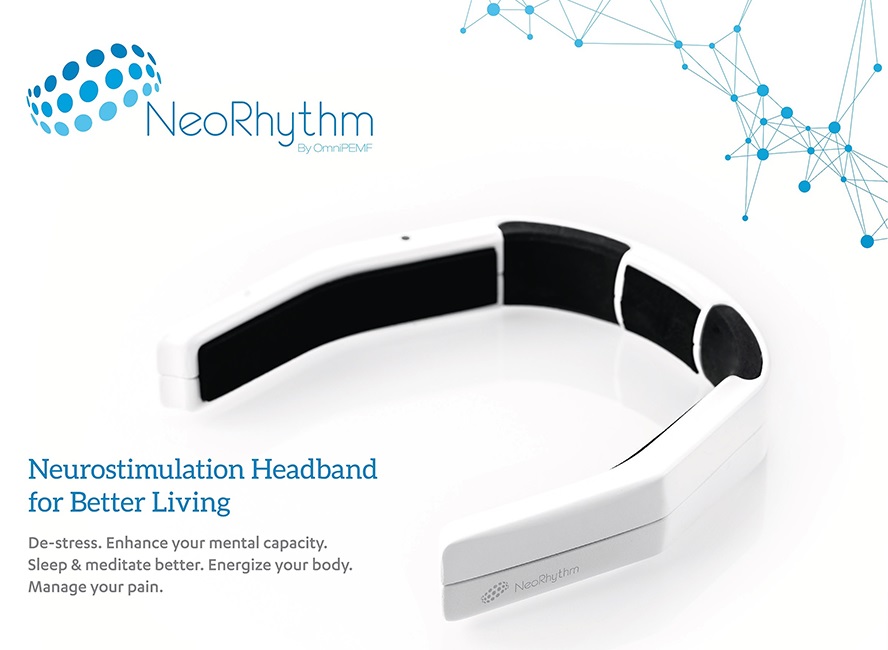
Pulsed electromagnetic fields (PEMF) use structured magnetic pulses delivered in specific patterns. Some PEMF programs are designed around alert, focused states, making them a natural fit before deep work. A wearable example is NeoRhythm, which uses frequency-based sessions intended to support states like mental performance and concentration.
If you use a tool like this, the most effective approach is to pair it with a clear task list and a protected time block. Your brain needs something to focus on, not only a signal to focus.
What Focused Attention Feels Like When It’s Working
Good focus is not always intense. Often it feels calm. You know what you are doing, you do it, and you move forward. Distractions still exist, but they feel less persuasive.
The big win is not becoming perfectly focused. The win is making focus easier to access, more often, with less struggle. That is real brain health progress.