

If you have ever found yourself tapping your foot to a song without deciding to, you already understand the basic logic of brainwave entrainment. Rhythm pulls on us. It organizes attention. It can energize a workout, soothe a crying baby, or make a room full of strangers clap in sync like they rehearsed it. The brain is not just a thinking machine, it is a timing machine, and timing is where rhythm gets its grip.
Brainwave entrainment is the idea that external rhythmic stimulation, usually sound, light, or vibration, can influence the timing patterns of brain activity. People use it for relaxation, meditation, focus, and sleep routines. Sometimes the claims around it get a little spicy, like it can “hack” your brain into instant bliss. The reality is more grounded and, honestly, more interesting. Entrainment is not a spell, it is a nudge, and your brain decides how much it wants to respond.
Here we explain what brainwave entrainment is, why the brain naturally responds to rhythm, the main entrainment methods, and how to experiment safely without turning it into a high-pressure self-improvement contest.
Contents
What Brainwave Entrainment Means
“Entrainment” describes a process where two rhythmic systems synchronize. If you place two metronomes on a shared surface, they can gradually align their ticks. The brain can show a similar tendency when exposed to repeated rhythmic input. When a stimulus repeats at a steady pace, some neural activity can align with that timing, especially in sensory processing systems.
Brainwave entrainment specifically refers to using rhythmic stimuli to encourage brain activity patterns associated with certain states, such as calm alertness or drowsy relaxation. Brainwaves are often measured using EEG and grouped into frequency bands like delta, theta, alpha, beta, and gamma. These bands correlate with different states, but they are not strict “modes” you can force at will. Real brains are messier, and that is normal.
Brainwaves Are Correlations
It helps to treat brainwave bands like weather forecasts. If you see dark clouds, rain is more likely, but not guaranteed. Likewise, certain brainwave patterns tend to appear more during sleep or meditation, but they are not the sole cause of those experiences.
Why The Brain Responds To Rhythm
The brain is built to detect patterns. Pattern detection helps us predict what happens next, and prediction is a survival advantage. Rhythm is an especially powerful pattern because it unfolds over time, giving the brain a schedule to anticipate. When the brain can anticipate timing, it can allocate attention and resources more efficiently.
Prediction, Attention, And Timing
When you listen to a steady beat, your brain begins predicting when the next beat will occur. This prediction can shape attention, making certain moments feel highlighted. It is similar to how you can catch a ball more easily when you can predict its path. With rhythm, the brain predicts timing rather than trajectory.
This timing prediction is also why rhythm can feel soothing. Predictability reduces uncertainty, and uncertainty is fuel for vigilance. A steady rhythm can tell the nervous system, “Nothing surprising is happening right now.” That message can support relaxation, especially in a calm environment.
The Brain Loves Synchrony
Neurons often communicate more effectively when they fire in coordinated timing. Think of it like a group conversation. If everyone talks at once, nothing is clear. If people take turns and follow a shared rhythm, the conversation makes sense. Brain networks also benefit from coordinated timing, and rhythmic input can encourage that coordination in specific pathways.
Common Methods Of Brainwave Entrainment
Entrainment methods vary in intensity and in the sensory system they target. Some are subtle and blend into music, while others use distinct pulses that are hard to ignore. If you are experimenting, comfort is the guiding rule. A technique that irritates you is unlikely to help your brain settle.
Binaural Beats
Binaural beats use two slightly different tones, one in each ear, usually delivered through headphones. The brain perceives a beat frequency equal to the difference between the tones. For example, 210 Hz in one ear and 200 Hz in the other can create a perceived 10 Hz beat. People commonly use binaural beats for relaxation, meditation, or focus support.
Binaural beats are subtle. Some people find them calming and immersive, while others barely notice them. If you try them, use comfortable headphones, keep volume moderate, and choose tracks that feel pleasant rather than harsh.
Monaural Beats
Monaural beats combine tones before they reach your ears, producing a beat that is physically present in the sound. Some people find monaural beats more noticeable than binaural beats, and they can be listened to without headphones, though headphones can still help with immersion.
Isochronic Tones
Isochronic tones are distinct rhythmic pulses, like a clean audio metronome. Because the pulses are clear, many users find them easy to follow. Others find them too “clicky” for relaxation. For calmer sessions, isochronic tones are often paired with gentle music or ambient sound beds.
Photic Stimulation And Visual Flicker
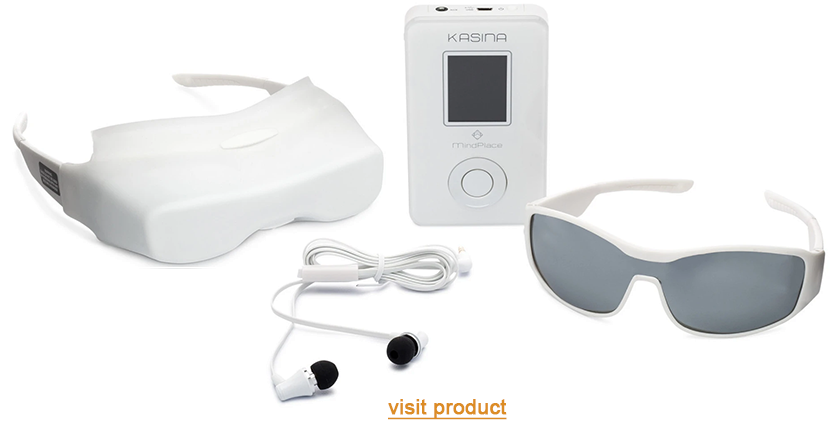
Photic stimulation uses flashing or flickering light at steady rates. The visual system can entrain strongly to flicker, which is why this method is powerful and also why it requires caution. People with photosensitive epilepsy or seizure risk should avoid flicker-based methods unless cleared by a clinician.
Rhythmic Music, Drumming, And Breath Pacing
Not all entrainment is digital. Rhythmic music, drumming, chanting, and paced breathing can support entrainment-like effects. A steady breath cadence, for example, gives the nervous system a predictable rhythm and often shifts the body toward calm. This is a big reason slow breathing is a staple in many relaxation and meditation traditions.
What People Use Entrainment For
People turn to brainwave entrainment for many reasons, from stress relief to focus support. The most realistic way to view it is as an environment tool. It may help set the stage for a desired state, especially when paired with good habits.
Relaxation And Stress Relief
Gentle rhythmic audio can reduce mental noise for some people, making it easier to relax. If you are already stressed, entrainment can function as an attention anchor that keeps your mind from bouncing from worry to worry. Pairing it with slow breathing often improves results.
Meditation Support
Many meditators use entrainment to help settle into practice, especially during restless periods. The rhythm can serve as a consistent meditation object, similar to a mantra or the breath. It can be a helpful support, particularly for beginners, as long as it does not become a rigid dependency.
Focus And Learning
Some users experiment with entrainment for concentration during study or work. The biggest benefit often comes from reducing distraction rather than any dramatic change in intelligence. If a consistent track helps you stay on task and avoid multitasking, that is already a meaningful win.
Sleep Wind-Down
For sleep, entrainment is best used as part of a bedtime routine. Gentle, low-volume audio can support relaxation and reduce racing thoughts. It is not a cure for insomnia on its own, but it can be a useful cue that signals, “We are done for today.”
How To Try Brainwave Entrainment Safely
Most people can experiment safely with audio-based entrainment at comfortable volumes. The key is to start small and treat your body’s feedback as the final authority.
Start With Short Sessions
Try 10 to 15 minutes at first. Choose a time when you can stop easily if you feel uncomfortable. If you enjoy it and feel good afterward, you can gradually increase duration.
Keep Volume Moderate
Loud audio can be stimulating and may increase tension. A moderate, comfortable volume is usually best. Your goal is to relax, not to pressure-wash your nervous system.
Do Not Use It While Driving Or Doing Risky Tasks
Entrainment can shift alertness. Do not use it while driving, operating machinery, or doing anything that requires full attention and quick reactions.
Making Entrainment Actually Useful In Real Life
Brainwave entrainment works best when you use it as part of a routine, not as a one-off experiment with huge expectations. If you want to learn what it does for you, pick a simple goal, like “wind down after work,” and try the same style of session for a week. Keep notes on how you feel before and after. Your brain responds to consistency, and your memory is not always a reliable narrator.
At the end of the day, the brain responds to rhythm because rhythm is built into how we sense, predict, and regulate. Entrainment simply uses that natural tendency on purpose. When approached with curiosity and common sense, it can be a gentle addition to relaxation, meditation, focus, or sleep routines.