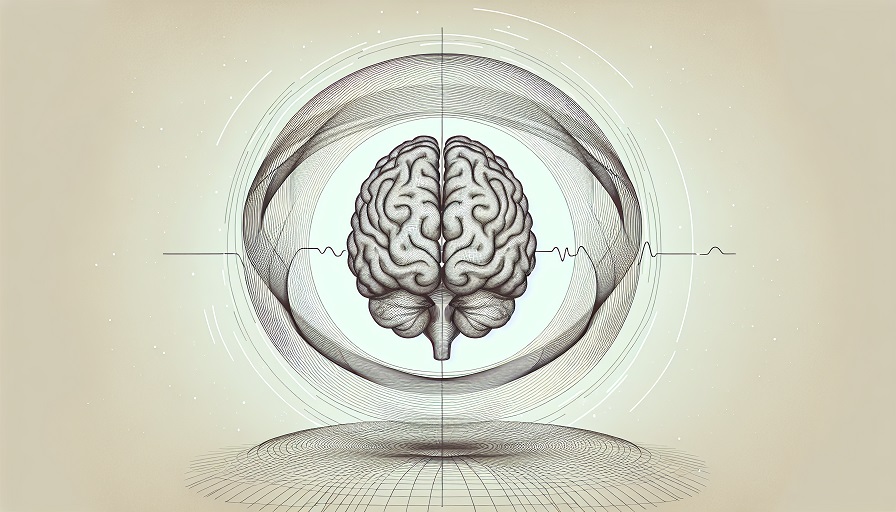
You have probably had moments when your body seemed to speak before your mind caught up. A knot in your stomach around a new deal, an easy light feeling when you meet someone kind, a quiet sense that a decision is right long before you can explain why. We usually call this gut instinct, and it can feel mysterious, even magical.
In reality, your gut instinct is less mysterious and more biological. Your body gathers huge amounts of information from the world and from within you, then sends it to your brain through a busy network of nerves and chemical signals. Much of that processing happens outside conscious awareness. What finally reaches you as a hunch or feeling is the tip of a very deep iceberg.
What Your Gut Instinct Really Is
Gut instinct is not a separate sixth sense. It is your nervous system’s fast, embodied way of saying, “Something about this matters.” That message often shows up as physical sensations: tension, ease, warmth, pressure, tightness, or subtle shifts in breathing and heart rate.
The Gut Brain Superhighway
Your digestive system is lined with its own network of neurons, often called the enteric nervous system. Because of its complexity, people sometimes nickname it the second brain. It talks constantly with your central nervous system through nerves such as the vagus nerve, as well as hormones and immune signals.
This communication runs in both directions. Your brain influences digestion when you are stressed or relaxed, and your gut sends status updates back up. Those updates can influence mood, alertness, and how safe or threatened you feel.
Interoception: Sensing The Inside World
Interoception is the brain’s ability to sense signals from inside the body: heartbeat, breathing, muscle tension, temperature, and gut sensations. Areas of the brain such as the insula and parts of the cingulate cortex help integrate these signals into a felt sense of how you are.
When people say they have a gut feeling, they are often noticing a blend of interoceptive signals. Your brain has quietly compared current patterns with countless past experiences, then tagged the situation as safe, risky, familiar, or uncertain. That tag reaches consciousness as a physical nudge rather than a full verbal explanation.
How Gut Feelings Shape Decisions
Your brain is always parsing more information than your conscious mind can handle. Gut instinct is one way it summarizes that overload into a quick signal: move toward this, pause, or step away.
Faster Than Conscious Thought
Many emotional and bodily responses happen before you can put them into words. The brain’s pattern recognition systems scan faces, voices, and contexts at high speed. When something resembles a pattern that previously led to good or bad outcomes, your body reacts.
Think of walking down a street at night. You notice posture, footsteps, and tone of voice around you without labeling every detail. If something feels off, your muscles may tense and your pace may change before you have a clear story about why.
Pattern Recognition And Emotional Tagging
Every experience leaves traces in your nervous system. Over time, the brain learns which combinations of cues have gone well and which have not. These patterns get tagged with emotional value: pleasant, unpleasant, rewarding, dangerous, and so on.
Gut instinct is often your nervous system recognizing a familiar pattern faster than your thinking mind. You might feel strangely comfortable in a new workspace because it quietly resembles other environments where you have thrived. Or you may feel uneasy around a person whose subtle signals remind your body of someone untrustworthy from the past.
When Gut Instinct Helps
Gut feelings can be especially helpful in areas where you have genuine experience. A seasoned nurse may feel something is wrong with a patient before lab results confirm it. An experienced driver may sense danger in traffic a moment before a near miss.
In these cases, intuition is not magic. It is compressed expertise. The body has learned to recognize tiny cues and package them into a quick, actionable signal.
When Your Gut Can Mislead You
As powerful as gut instinct can be, it is not always wise. The same systems that help you react quickly can also carry old fears, biases, and unprocessed experiences.
Anxiety Masquerading As Intuition
If your nervous system is used to running on high alert, many neutral situations can feel threatening. Your stomach might clench before a normal email or your heart might race when you meet someone new. It is easy to interpret these signals as “something is wrong,” when they are really signs of chronic anxiety.
In this state, gut instinct does not necessarily point to truth. It reflects how overloaded your system already is.
Old Wounds, New Situations
Past experiences, especially painful ones, can train your gut responses. If you grew up in an unpredictable environment, direct eye contact or raised voices might trigger strong reactions, even in harmless contexts.
Your body is trying to protect you using old data. Without reflection, you might avoid opportunities or relationships that are actually safe and healthy, simply because they stir up sensations your brain associates with danger.
Bias And Snap Judgments
Social and cultural conditioning also shape gut instinct. If you have absorbed stereotypes, your nervous system may respond differently to people based on appearance, accent, or background, even if your conscious values disagree.
This is why “I just have a bad feeling about that person” is not always a reliable guide. Sometimes it means “my brain is reacting to learned bias,” not “this person is unsafe.”
Key Takeaways About Gut Intelligence
Your gut instinct is not magic, and it is not nonsense. It is your nervous system’s rapid summary of patterns it has detected in your body and environment. Sometimes it is brilliantly accurate, especially in areas where you have experience and emotional stability. Other times it carries old stress, bias, or pain.
Learning to work with gut instinct means honoring your body’s signals, staying curious about where they come from, and inviting your thinking mind into the conversation. When those parts of you collaborate, you are more likely to make choices that feel both wise and deeply aligned with who you want to be.