
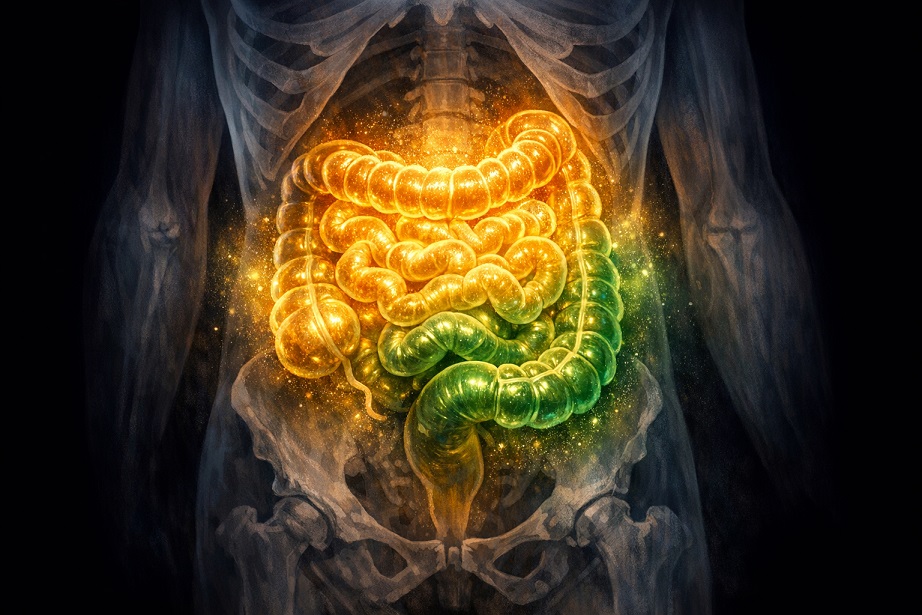
Digestive discomfort is one of those things most people normalize without meaning to. A bit of bloating after certain meals, occasional cramping, days that feel off without obvious cause, the general sense that your gut is doing something unpleasant just below the level of acute complaint. These experiences are common enough that many people simply accept them as part of life, attributing them to stress, food intolerances, or the general unpredictability of digestion. The possibility that they reflect something specific and correctable about the composition of the microbial community living in the gut rarely enters the conversation until a more dramatic symptom demands attention.
Gut comfort, meaning the day-to-day absence of bloating, pain, cramping, urgency, and the general feeling that digestion is proceeding normally, is not simply the default state that exists when nothing is wrong with you. It is an actively maintained condition that depends significantly on having the right bacterial populations in the right proportions. And those populations are shaped, more than almost any other factor, by what you feed them.
The Microbial Roots of Discomfort
The gut microbiome is not a passive collection of organisms. It is a dynamic, competitive ecosystem in which different bacterial species are constantly vying for fermentation substrates, colonization sites, and the chemical conditions that favor their particular metabolic requirements. The bacteria that win this competition produce the compounds that determine whether your gut environment is comfortable or not.
Gas Production and the Wrong Bacteria
Gas is a normal byproduct of bacterial fermentation in the colon, and some gas production is inevitable and completely healthy. The question is not whether fermentation produces gas but which bacteria are doing the fermenting. Beneficial bacteria like Bifidobacterium ferment prebiotic fibers efficiently and relatively cleanly, producing primarily lactic acid, acetic acid, and modest amounts of gas. Less desirable bacterial populations, including certain species of Clostridium, Enterobacteriaceae, and other opportunistic organisms, produce fermentation byproducts that include larger amounts of gas, hydrogen sulfide, and compounds associated with bloating, cramping, and malodorous flatulence.
When the microbiome is balanced in favor of Bifidobacterium and other beneficial bacteria, the fermentation landscape of the colon is cleaner and more efficient. Discomfort that has been accepted as normal often diminishes or disappears when the microbial balance shifts in the right direction, not because the gut has become less active, but because the organisms doing the work have changed.
Intestinal Motility and Bacterial Signals
The speed at which contents move through the intestinal tract, known as intestinal motility, is not controlled solely by the nervous system. The gut microbiome produces compounds that act on the enteric nervous system, which is the semi-autonomous neural network embedded in the gut wall, influencing the pace and coordination of intestinal contractions. Beneficial bacteria, particularly Bifidobacterium and Lactobacillus species, produce short-chain fatty acids and other metabolites that support healthy motility patterns. When these bacteria are underrepresented, motility can become sluggish, leading to constipation and the associated bloating and discomfort. It can also become erratic, producing urgency and loose stools that are equally disruptive to daily life.

How Feeding the Right Bacteria Restores Comfort
The most direct nutritional strategy for improving gut comfort is providing the dietary substrates that selectively support beneficial bacteria, particularly Bifidobacterium, while creating conditions that make the gut less hospitable to the discomfort-producing organisms that have been outcompeting them. Prebiotic fibers, and Inulin-FOS from chicory root specifically, are the best-researched tools for achieving this shift.
Why Selectivity Matters for Comfort
This is where selectivity becomes practically important for gut comfort rather than just theoretically important for microbial composition. Not all fermentable fibers selectively feed beneficial bacteria. Some fibers ferment rapidly and indiscriminately, feeding both beneficial and problematic bacterial populations, resulting in increased gas production from multiple bacterial sources simultaneously and often making bloating worse before, or instead of, making it better.
Inulin-FOS is selectively fermented by Bifidobacterium, which means the shift in microbial activity it produces tends toward the cleaner, more comfortable fermentation profile that Bifidobacterium provides. The longer-chain inulin component ferments slowly and gradually rather than all at once, which further reduces the acute gas production that can accompany rapid fermentation of short-chain fibers. The combination of selectivity and gradual fermentation kinetics is the reason that well-formulated Inulin-FOS supplementation tends to be well tolerated even by individuals with sensitive digestive systems, provided the dose is introduced gradually and taken with adequate water.
Soluble Fiber’s Dual Role in Gut Comfort
Beyond its prebiotic activity, Inulin-FOS functions as a soluble fiber with direct mechanical effects on the digestive process that contribute to comfort independently of its influence on the microbiome. Soluble fiber absorbs water and forms a gel-like consistency as it moves through the gastrointestinal tract, and this physical property addresses gut comfort from two directions simultaneously.
Addressing Both Ends of the Consistency Problem
For individuals dealing with constipation, soluble fiber softens stool by retaining water within the fecal mass, making elimination easier and reducing the straining that contributes to discomfort and long-term colon health concerns. For individuals dealing with loose or watery stools, the same water-absorbing property helps firm stool by absorbing excess fluid and adding bulk, making bowel movements more predictable and reducing urgency. This bidirectional normalizing effect on stool consistency is unusual for a single dietary compound and makes Inulin-FOS particularly versatile as a gut comfort intervention regardless of the direction of the presenting problem.
The bulkier, more formed stools produced by adequate soluble fiber intake also promote more efficient colonic transit, reducing the contact time between the intestinal lining and potentially irritating fermentation byproducts. This reduced contact time is associated with lower rates of bowel irritation and improved overall comfort during the digestive process.
The Long Game: Comfort as a Cumulative Outcome
One of the most important things to understand about microbiome-based gut comfort is that it is not primarily an acute intervention. The gut microbiome shifts gradually in response to dietary changes, and the comfort improvements that follow a meaningful increase in prebiotic fiber intake accumulate over weeks rather than arriving overnight. This is not a criticism of the approach. It reflects the genuine biology of how microbial populations shift in response to changed nutrient availability.
Research examining the effects of Inulin-FOS supplementation consistently finds that improvements in digestive comfort, regularity, and bacterial composition are progressive, becoming more pronounced with continued use rather than plateauing after an initial period. This cumulative quality means that the benefits of maintaining prebiotic support over months and years are considerably greater than those seen in short-term studies, and it underscores why consistency of supplementation produces results that occasional use does not.
If digestive comfort has been a persistent background issue rather than a dramatic one, the microbiome conversation is the right one to be having. What you feed the bacteria in your gut is not a minor dietary detail. It is one of the most consequential decisions you make every day for how your gut feels and functions.