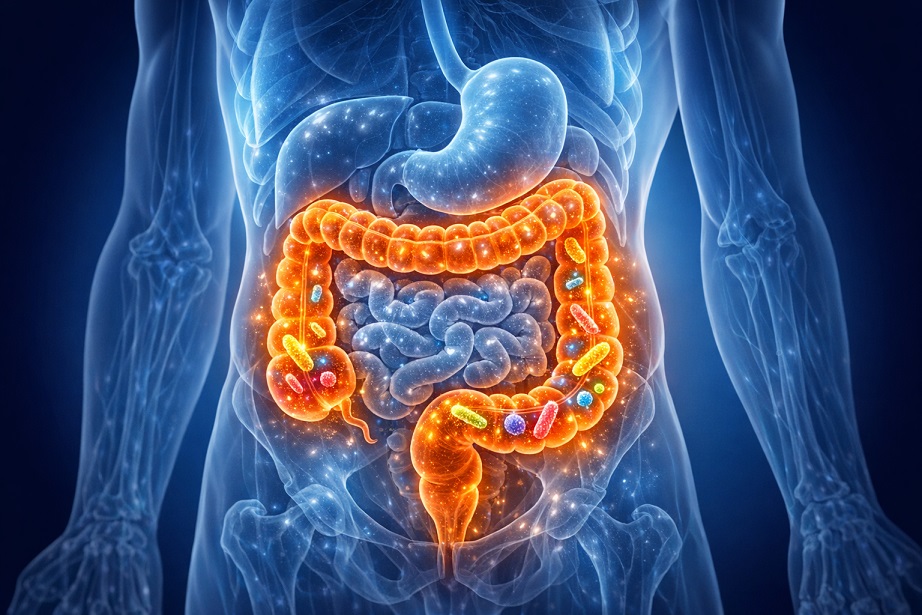
When most people think about supporting their immune system, the mental image that comes to mind involves vitamin C tablets, zinc lozenges, and maybe some elderberry syrup at the first sign of a sniffle. These are not unreasonable approaches, and the nutrients associated with them do play genuine roles in immune function. What this conventional picture misses entirely, however, is the location where the majority of immune activity actually happens and the bacterial community whose health most directly determines how well that immune activity is coordinated.
Approximately 70 percent of the body’s immune tissue is located in and around the gastrointestinal tract. This is not an anatomical accident. The gut is the primary interface between the internal environment of the body and the external world of ingested materials, including bacteria, viruses, fungi, parasites, and an enormous diversity of food-derived compounds that require constant immune surveillance. The gut-associated lymphoid tissue that monitors this interface does not operate independently of the microbial community living in the gut. It operates in intimate dialogue with it, and the quality of that dialogue is shaped profoundly by what bacteria are present and how well they are thriving.
The Gut Microbiome as an Immune Regulator
The relationship between the gut microbiome and the immune system is not simply that bacteria happen to live near immune tissue. It is a co-evolved biological partnership in which the immune system depends on signals from gut bacteria to calibrate its responses appropriately, and gut bacteria depend on the immune system to maintain the conditions that allow them to thrive.
Teaching the Immune System What to Ignore
One of the most important and least appreciated functions of the gut microbiome is its role in training immune tolerance. The immune system must distinguish between genuine threats requiring a vigorous response and harmless or beneficial materials that should be left alone, including the trillions of beneficial bacteria living in the gut itself, food proteins, and environmental compounds that pose no threat. This discrimination is not hardwired. It is learned during early life through continuous interaction with the gut microbiome, and it continues to be maintained throughout adulthood by the ongoing presence and activity of beneficial bacteria.
When the microbiome is disrupted, whether by antibiotics, poor diet, illness, or chronic stress, this immune calibration can become dysregulated. The immune system may become either underactive toward genuine threats or overactive toward harmless ones, contributing to conditions ranging from increased infection susceptibility to chronic inflammation and autoimmune tendencies. Maintaining robust beneficial bacterial populations, particularly Bifidobacterium, is one of the most direct ways to support the ongoing immune calibration that keeps the system performing appropriately in both directions.
Bifidobacterium and the Immune Cell Partnership
Bifidobacterium has a particularly well-documented relationship with key immune cells. Research has shown that Bifidobacterium fermentation activity promotes the proliferation and activation of lymphocytes, the white blood cells that are central to adaptive immune responses, and macrophages, the immune cells responsible for engulfing and destroying pathogens and cellular debris. These effects appear to operate through multiple mechanisms, including the production of fermentation metabolites that act as signaling compounds to immune cells, direct physical interaction between Bifidobacterium surface structures and immune receptors in the gut-associated lymphoid tissue, and the creation of a gut pH environment that supports optimal immune cell activity.
The practical consequence of robust Bifidobacterium activity is an immune system that is better equipped to mount rapid and effective responses to infectious threats. Studies examining the relationship between Bifidobacterium abundance and immune outcomes have found associations with reduced incidence of respiratory infections, faster recovery from illness, and better vaccine response, all outcomes that reflect the downstream effects of well-supported immune tissue.

Pathogen Resistance: The First Line of Defense
Before the systemic immune system even gets involved, the gut microbiome operates as an independent line of defense against pathogen colonization. This local defense operates through mechanisms that are as important as any systemic immune response and considerably more immediate.
Competitive Exclusion and Acid Production
When Bifidobacterium is abundant and active, it ferments available substrates in the colon with sufficient efficiency to deprive competing organisms of the nutrients they would need to establish themselves. This competitive exclusion is complemented by the acid environment created by Bifidobacterium fermentation products. Lactic acid and acetic acid produced by Bifidobacterium lower the pH of the colonic environment to a range that is favorable for beneficial bacteria but hostile to many pathogens. Candida albicans, E. coli, and various Clostridium species are suppressed under these acidic conditions, reducing the risk of their proliferation to problematic levels.
This local chemical defense is why the gut microbiome is sometimes described as a living defense system rather than simply a collection of organisms that happen to occupy the gut. It is performing active surveillance and competition against potential threats continuously, and its effectiveness is directly tied to the health and abundance of the beneficial bacterial populations that constitute it.
The Intestinal Barrier as Immune Infrastructure
Bifidobacterium’s adherence to the intestinal lining strengthens the physical barrier that separates gut contents from systemic circulation. When this barrier is intact, bacterial fragments and inflammatory compounds from the gut interior are prevented from entering the bloodstream and triggering systemic immune responses. When the barrier is compromised, these materials reach circulation and generate the chronic low-grade inflammation that is now understood as a significant contributor to metabolic disease, cardiovascular disease, and immune dysregulation. Supporting Bifidobacterium abundance through appropriate prebiotic nutrition is one of the most direct strategies for maintaining the structural integrity of this immune-critical barrier.
Prebiotics as an Immune Support Strategy
The prebiotic approach to immune support works differently from vitamin-based approaches, and the two are complementary rather than competing. Vitamins like C and D provide specific micronutrients that immune cells require to function. Prebiotics, particularly Inulin-FOS from chicory root, create the gut conditions under which the immune system’s most important bacterial partners can flourish and perform their full range of immune-supporting functions.
Research has confirmed that Inulin-FOS supplementation produces bifidogenic shifts in gut microbiota composition that are associated with measurable improvements in immune markers, including enhanced natural killer cell activity, improved lymphocyte proliferation, and more robust antibody responses to vaccine challenges. These outcomes reflect the immune system performing better because its gut microbial partners are better nourished and more active, not because a pharmaceutical dose of an isolated compound has been delivered to override a specific deficiency.
If the goal is genuinely comprehensive immune support rather than simply supplementing the micronutrients that immune cells consume, the prebiotic conversation belongs in the discussion. The 70 percent of immune tissue living in your gut is waiting for you to get to it.