
Because HGH is released in pulses, a single blood draw is usually not helpful. Providers instead check HGH indirectly by measuring IGF-1, which is far more stable, or they use timed stimulation or suppression tests in which several blood samples are taken over a couple of hours. IGF-1 is a practical measure but not a perfect stand-in, so a provider reads it alongside symptoms and, when needed, other tests.
Why Testing HGH Takes More Than One Blood Draw
HGH levels change throughout the day, so a standard blood test does not usually provide helpful information about them, as MedlinePlus explains. Instead, HGH is usually checked through blood tests taken over a few hours that measure related substances, such as proteins and other hormones connected to HGH production. Cleveland Clinic makes the same point, noting that a single HGH measurement is difficult to interpret.
The IGF-1 Blood Test
The IGF-1 test is the simplest option. A health professional takes a blood sample from a vein in your arm, which the MedlinePlus IGF-1 overview says usually takes less than five minutes and needs no special preparation. Because IGF-1 is more stable than HGH, measuring it is a reliable way to track HGH in your body.
What an IGF-1 Result Cannot Tell You on Its Own
IGF-1 is a helpful indicator, not a complete answer. A review on the National Library of Medicine site notes that many adults with confirmed growth hormone deficiency still have normal IGF-1 levels, which is why providers use stimulation testing to confirm a suspected diagnosis. The Endocrine Society guideline similarly says that a low IGF-1 raises the likelihood of deficiency, but it is used alongside other tests rather than by itself.
Stimulation Tests for Low HGH
If a provider wants a closer look at how well the pituitary gland responds, a growth hormone stimulation test may be ordered. According to MedlinePlus, you receive a medicine through an IV line that prompts the pituitary gland to release HGH, and blood samples are then drawn over about two hours to see whether levels rise. You may need to fast for several hours beforehand. Because a single stimulation test can produce false-positive results when the clinical picture is unclear, the Endocrine Society guideline suggests using two tests before confirming a diagnosis of deficiency.
What This Means for You
If you are curious about your HGH, start with your doctor, who can decide whether testing makes sense. If you have an IGF-1 result, bring it along with a note of any symptoms and a list of the medications you take, because context is what turns a number into useful information.
How HGH Releasers Differ From Prescription HGH
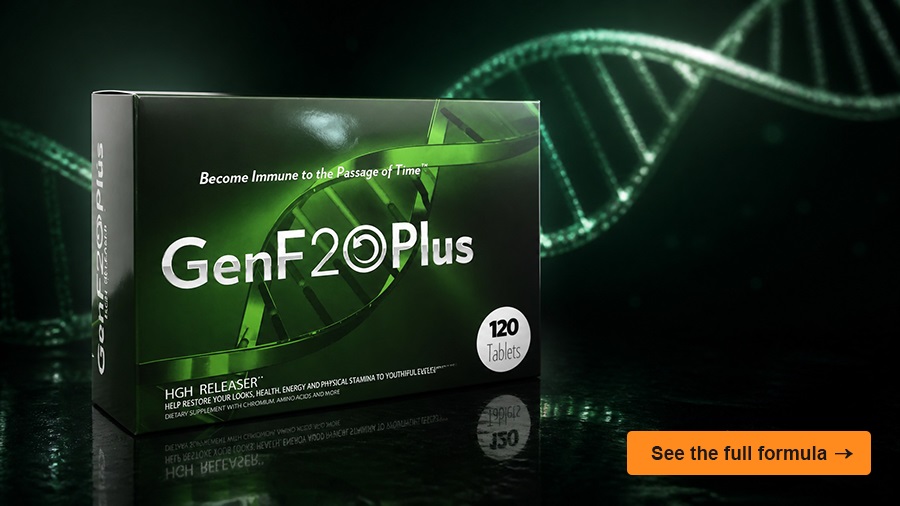
Prescription HGH is an injectable medicine that doctors prescribe for specific medical conditions. HGH releasers are a separate category: over-the-counter dietary supplements formulated with ingredients, such as amino acids and other nutrients, intended to support your pituitary gland’s own release of HGH. The two are different products and are studied separately. Like other dietary supplements, HGH releasers are not intended to diagnose, treat, cure, or prevent any medical condition.
Where HGH Releasers Fit Into a Healthy Routine
Men who take a releaser typically do so as one part of a routine that includes training, nutrition, and rest. If you are curious about trying one, it is sensible to check with your doctor first, particularly if you take medication or have an existing health condition. Your doctor can also explain what any test results mean for you.
Frequently Asked Questions About Testing HGH Levels
Are HGH Releasers the Same as Prescription HGH?
No. Prescription HGH is an injectable medicine used for specific medical conditions. HGH releasers are over-the-counter dietary supplements formulated to support the body’s own natural growth hormone release.
Can a Normal IGF-1 Level Rule Out Low HGH?
Not always. Some adults with confirmed growth hormone deficiency still have normal IGF-1 levels, so providers weigh the result alongside symptoms and, when needed, other tests.
Should I Talk to My Doctor Before Trying an HGH Releaser?
Checking with your doctor is a smart step, especially if you take medication or have a health condition. Your doctor can help you decide whether a supplement fits your situation.