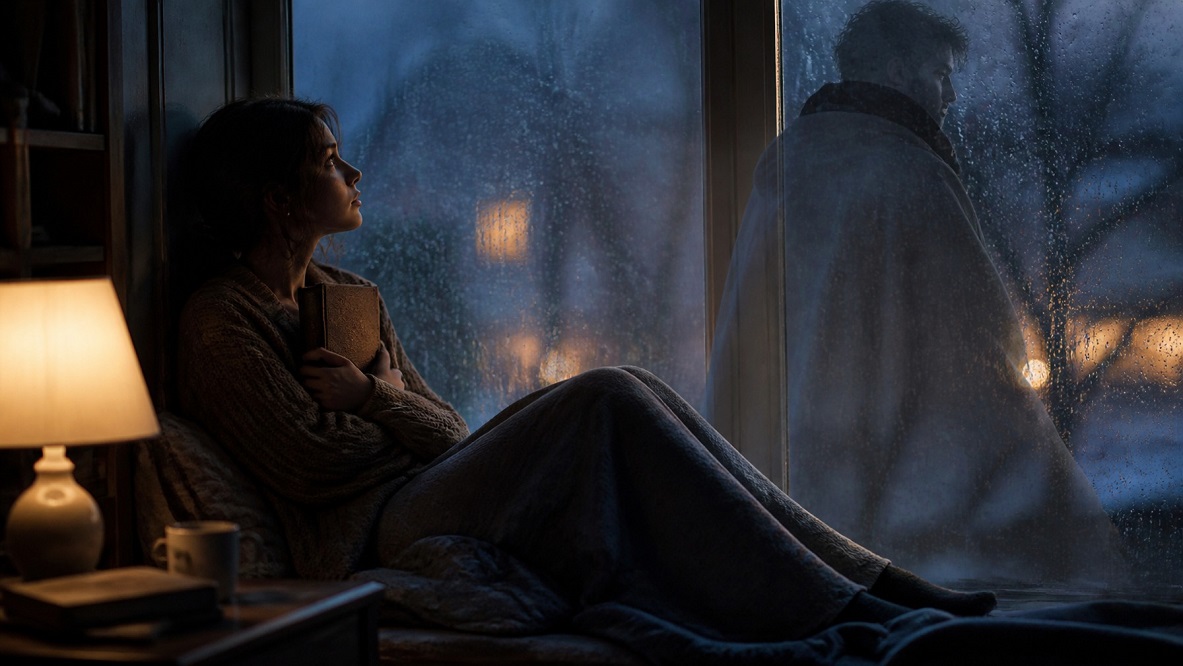
Readers grieve fictional characters because the brain forms attachments based on closeness and familiarity, not on whether a person exists. Spend dozens of hours inside someone’s thoughts, and your mind treats them as part of your social world. The resulting loss feels genuine because the attachment is genuine. Researchers call these one-sided bonds parasocial relationships, and grieving them is a normal human response.
Attachment Does Not Check for Reality
Our social instincts evolved long before books, television, or fiction. They respond to cues: a voice, a shared history, access to someone’s inner life. Novels supply all three. You hear a character’s private thoughts, which even close friends rarely share.
It’s reasonable to think the emotional machinery does not carefully sort people into real and imaginary before it engages. You know the character is invented, but you feel the loss anyway. Both facts are true at once.
What Research on Fans Found
The best-documented examples come from television. NBC News reported on a study by Adam Gerace of Central Queensland University, published in PLOS One. After the Australian soap Neighbours was canceled in 2022, he surveyed almost 1,300 Australians. Many reported grief-related emotions, particularly anger, and had trouble accepting the end.
The same report noted that the “parasocial breakup” measure used in the study was first applied after Friends ended in 2004, when fans showed distress similar to a real breakup. People who grieved most had formed strong bonds with characters, imagining their thoughts and feeling happy or worried for them.
That research concerned television, not novels, so it is an analogy for readers. But the mechanism, a bond built through repeated imaginative contact, applies equally well to a book series.
Closeness Matters More Than Reality
The same article quotes West Virginia University researcher Elizabeth Cohen, who says feeling close to someone predicts how deeply a person mourns better than whether that person is real or famous. Vassar College’s Dara Greenwood adds that long-running stories let bonds become part of everyday life, which can deepen the loss.
Books fit this pattern well. A long series can accompany a reader for years, through moves, jobs, and relationships. A character who dies is not just a plot point. They are a companion leaving. Readers often describe the sting of finishing a final volume in the same terms, as if a long visit had ended and the house had gone quiet.

Is It Healthy?
Mostly, yes. The researchers quoted describe parasocial grief as normal. Gerace noted that such bonds can build empathy, and that they become a problem mainly if they replace real-world relationships. Psychologists are still not sure how this kind of grief compares with mourning a loved one, and some people recover quickly while others do not.
One thought exercise: grieving a character may be a rehearsal. Fiction lets us practice loss, courage, and farewell in a setting where the stakes are safe. That idea is speculation, not a finding, but many readers recognize it.
Ways to Honor the Feeling
If a story ending has left you low, a few gentle steps can help:
- Name the feeling plainly as grief, not silliness.
- Talk with another reader who knows the story.
- Write a short farewell or an epilogue of your own.
- Reread a favorite chapter when you are ready.
- Seek out real-world conversation if the sadness lingers.
Emotion, Attention, and Where Nootropics Fit
Strong feelings can affect sleep and concentration. Curious readers sometimes ask about nootropics, supplements marketed for focus and memory. Evidence varies widely by ingredient, and no capsule replaces rest or human connection.
Frequently Asked Questions
Is It Normal to Grieve a Fictional Character?
Yes. Researchers quoted by NBC News describe grieving a parasocial relationship as a normal human response.
It is a one-sided bond with a media figure or character, built through repeated contact. The person feels close to someone who does not know them.
When Should I Worry About Grieving a Character?
If the sadness lingers or crowds out real-world relationships, consider talking with a friend or a professional.