
Poor sleep changes how HGH is released, though the picture is more nuanced than sleep loss simply...
Oscar Forrester
Very Big Brain is written by Oscar Forrester, a researcher and writer with a long-standing fascination with how the brain works. Oscar spent several years working in hospital IT, including on infection control systems, and grew up in a household shaped by medicine — his father was a physician and his mother a registered nurse. He is not a clinician himself, and nothing on this site should be taken as medical advice. What he brings instead is a rigorous, source-first approach to research, honed over two decades of writing (he’s authored numerous published books, primarily on software development), and a genuine curiosity about the science of cognition. Mr. Forrester strives to present complex topics in a clear and engaging manner, making it easy for you to understand and apply the knowledge to your daily life.

The effect appears small and inconsistent. In two short studies of healthy men, pharmaceutical HGH did not...

Body fat and growth hormone are closely linked: in adults with obesity, HGH secretion is lower, and...
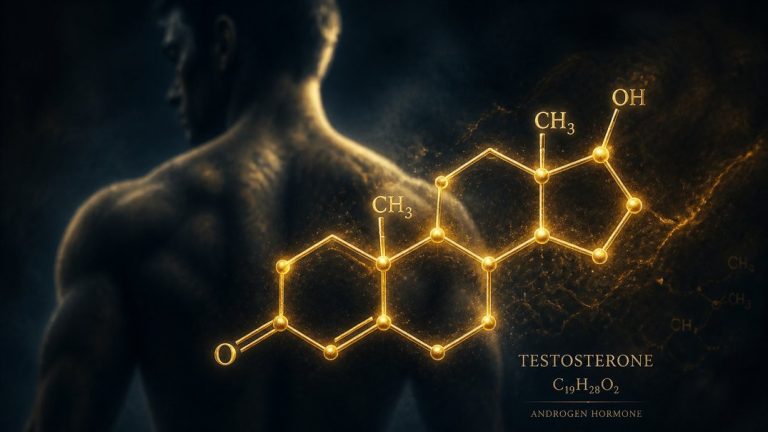
For most healthy adults, L-arginine is generally well tolerated at typical supplement doses, with side effects usually...

Because HGH is released in pulses, a single blood draw is usually not helpful. Providers instead check...
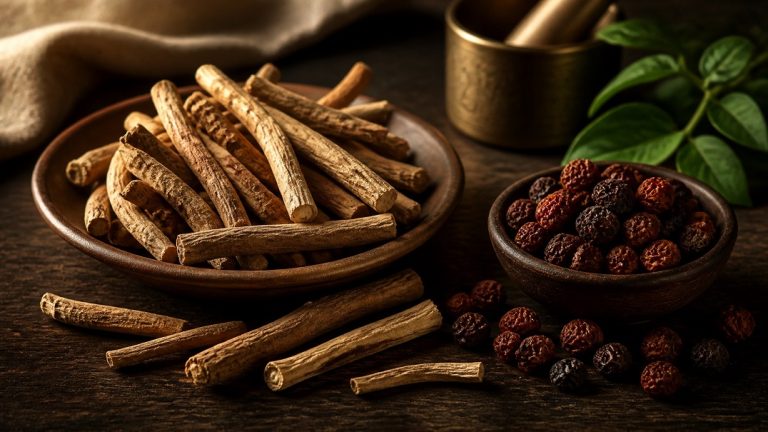
Yes, multiple clinical studies suggest ashwagandha can genuinely boost testosterone levels, particularly in men who are stressed,...
No. HGH and testosterone are two different hormones, made in different parts of the body. HGH comes...

No, current research doesn’t support the idea that a vegan diet causes low testosterone. Multiple studies comparing...
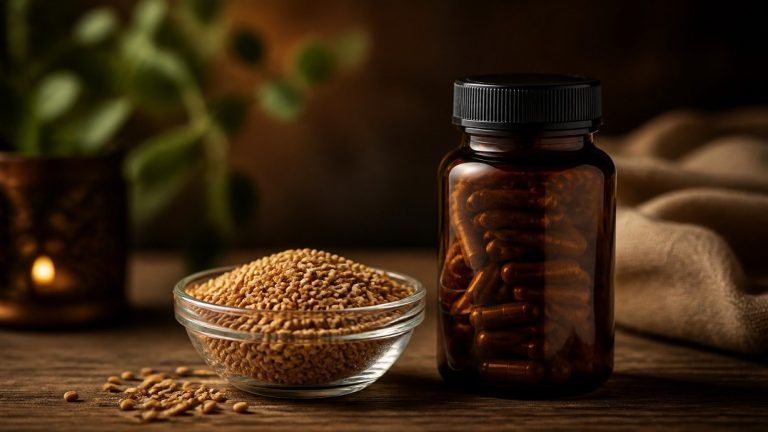
Yes, several clinical studies suggest fenugreek extract can raise testosterone levels, particularly in middle-aged and older men....
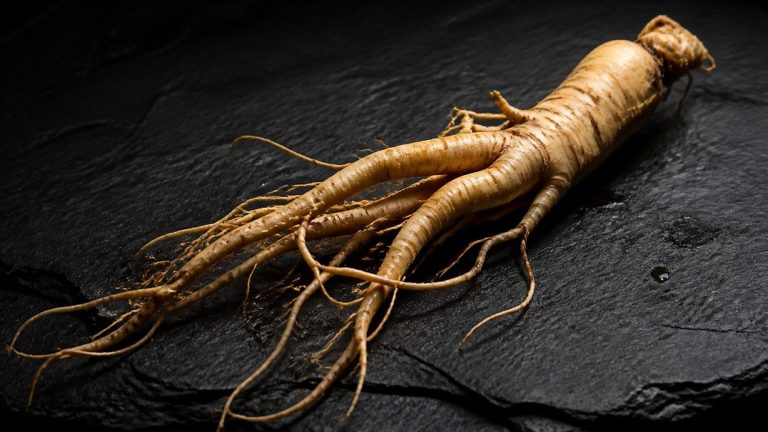
Ginseng shows a genuinely mixed but partly encouraging picture for energy and stamina. Research indicates it can...