
Short answer: Because peripheral vision isn’t a lesser version of central vision, it’s a specialized system built...
Oscar Forrester
Very Big Brain is written by Oscar Forrester, a researcher and writer with a long-standing fascination with how the brain works. Oscar spent several years working in hospital IT, including on infection control systems, and grew up in a household shaped by medicine — his father was a physician and his mother a registered nurse. He is not a clinician himself, and nothing on this site should be taken as medical advice. What he brings instead is a rigorous, source-first approach to research, honed over two decades of writing (he’s authored numerous published books, primarily on software development), and a genuine curiosity about the science of cognition. Mr. Forrester strives to present complex topics in a clear and engaging manner, making it easy for you to understand and apply the knowledge to your daily life.

Short answer: Growing evidence says yes. A major long-term study tracking objectively measured sitting time found that...

Short answer: Cold exposure produces real, measurable changes in the body’s stress-response chemicals and, in at least...

Short answer: Generally yes, evening screen use is linked to delayed melatonin release and worse sleep in...

Short answer: Yes, more than the old stereotype of a “fixed” adult personality suggests. Long-term studies find...

There’s a moment that comes for most of us sometime in our forties, or maybe our late...
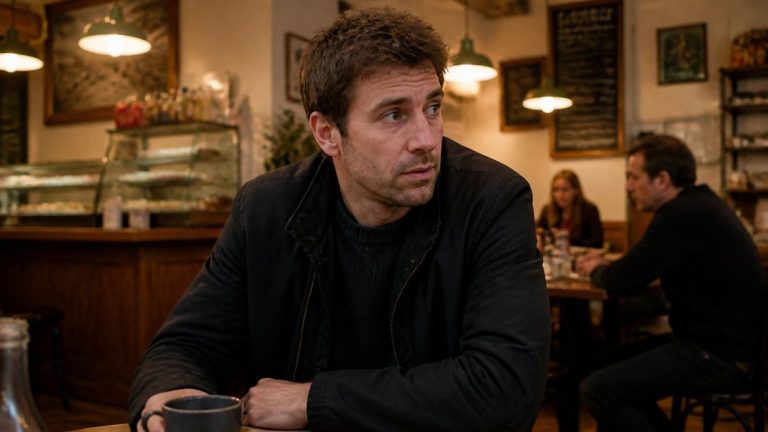
Short answer: Yes, but with an important condition attached. What feels like a “gut instinct” is often...
Short answer: Not really, at least not the popular version of the claim. The famous “21 days”...
Last Updated: June 2026 The brain is the most metabolically demanding organ in the human body. Despite...

Most people associate omega-3 fatty acids with heart health, and for good reason. The cardiovascular evidence behind...