
Walk through enough biohacking forums and you will inevitably run into the term “stack.” At first it sounds like jargon borrowed from bodybuilding culture, and in a way, it is. A nootropic stack simply refers to a combination of cognitive-supporting ingredients taken together, with the idea that the right pairing can produce benefits greater than what any single compound could achieve on its own. Done thoughtfully, stacking can be one of the more effective tools in a biohacker’s toolkit. Done carelessly, it can turn into an expensive guessing game with little to show for it.
Here we walk through the core principles behind smart stacking, drawing on the kinds of ingredients covered throughout this site, from adaptogens to amino acids to B-vitamins, and explains how these pieces fit together into a coherent, sustainable routine rather than a random pile of capsules.
Why Single Ingredients Often Fall Short of Expectations
Cognitive function is not governed by a single neurotransmitter or a single biological pathway. Focus, memory, mood, and mental energy each depend on a web of interconnected systems, including neurotransmitter balance, cell membrane health, blood flow, and the body’s response to stress. A supplement that only targets one of these systems is, by definition, only addressing part of the picture.
This is one of the main reasons people sometimes try a single nootropic, notice modest or inconsistent results, and conclude that nootropics in general do not work for them. In many cases, the ingredient itself was fine. It simply was not designed to carry the full weight of supporting cognitive performance on its own.
The Difference Between Stimulation and Genuine Support
It helps to distinguish between ingredients that stimulate the nervous system directly, like caffeine, and ingredients that support the underlying systems the brain relies on, like citicoline’s role in cell membrane health or B-vitamins’ involvement in neurotransmitter synthesis. A well-built stack usually includes both types, using stimulation sparingly and foundational support more consistently.
Core Categories to Consider When Building a Stack
Rather than randomly combining whatever ingredients sound interesting, it helps to think in terms of functional categories. Most effective stacks pull from a handful of key areas: compounds that support neurotransmitter production, those that protect and maintain brain cell structure, those that manage stress and cortisol, and those that support circulation and energy delivery to brain tissue.
Amino acids like L-tyrosine support dopamine and norepinephrine production, particularly useful during demanding or stressful periods. Adaptogens such as Rhodiola Rosea help the body manage the stress response more broadly. Compounds like phosphatidylserine and citicoline support the structural integrity of brain cells, while ingredients like Maritime Pine Bark Extract support the blood flow needed to deliver oxygen and nutrients efficiently. B-vitamins, meanwhile, function almost like the behind-the-scenes crew, supporting the biochemical machinery that everything else depends on.
Building From the Foundation Up
A useful mental model is to think of foundational nutrients, like B-vitamins and omega-3 fatty acids, as the base layer of any stack. These support the systems that everything else relies on. From there, more targeted ingredients can be layered in based on specific goals, whether that means calm focus, stress resilience, or long-term memory support.
How to Avoid Common Stacking Mistakes
One of the most frequent mistakes new biohackers make is changing too many variables at once. Adding five new ingredients in the same week makes it nearly impossible to know which one is responsible for any change, positive or negative, that follows. A more effective approach involves introducing one new ingredient at a time, giving it several weeks to show its effects, and only then considering an addition.
Another common issue is underestimating how long certain ingredients take to work. As covered throughout this site, compounds like Bacopa Monnieri and phosphatidylserine tend to build their effects gradually over several weeks, while others like L-theanine or L-tyrosine produce more immediate, same-day effects. Mixing up these timelines can lead to premature conclusions about whether a stack is actually working.
The Value of Tracking Your Response
Keeping a simple log, even something as basic as a few notes in a phone app, can make a meaningful difference when evaluating a stack over time. Tracking sleep quality, mood, focus, and any noticeable side effects helps separate genuine patterns from wishful thinking or placebo effects, both of which are common in the world of supplements.
Premade Formulas Versus Building Your Own Stack
For biohackers who enjoy the process, building a custom stack ingredient by ingredient offers maximum control and the ability to fine-tune dosages based on personal response. This approach does require more research, more trial and error, and typically more upfront cost, since many ingredients are sold separately in their own bottles.
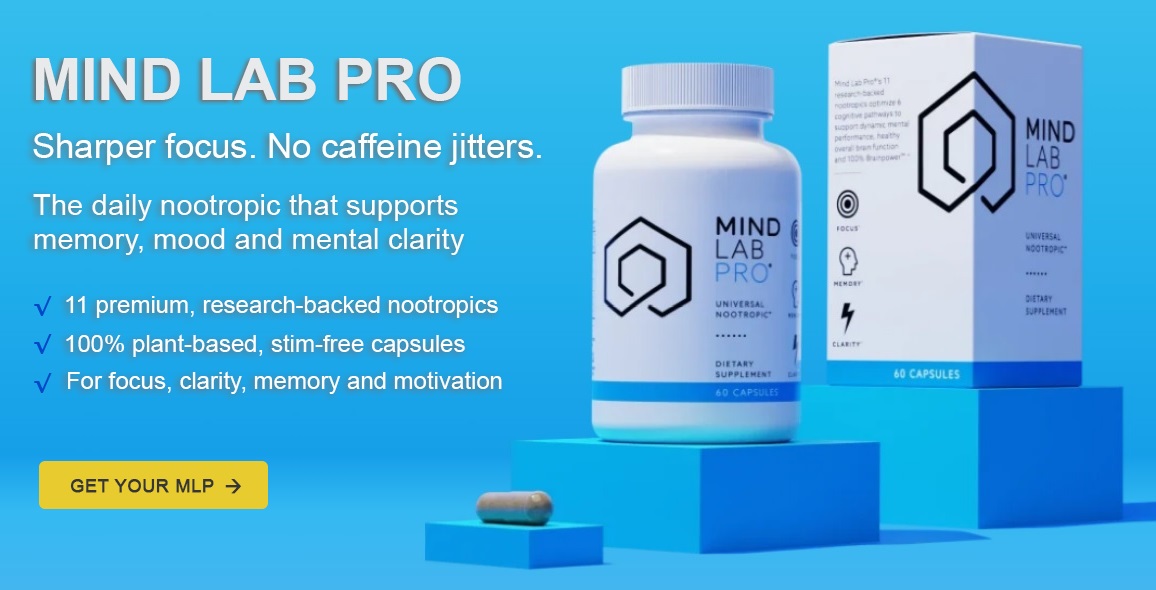
For those who would rather skip the research and experimentation phase, premade nootropic formulas that combine several complementary ingredients into a single product offer a more convenient starting point. These formulas are often designed by combining ingredients from the categories discussed above, aiming to cover neurotransmitter support, cell membrane health, stress management, and circulation all within one product. This can be a practical option for anyone who wants the benefits of a thoughtfully built stack without the trial and error of assembling one from scratch.
What to Look for in a Premade Formula
If considering a premade option, it is worth checking whether the formula discloses exact dosages for each ingredient rather than hiding amounts behind a vague “proprietary blend” label. Transparency in labeling makes it much easier to compare a product against the research-backed doses discussed throughout this site and to know exactly what you are taking.
Final Thoughts on Building a Smarter Stack
Effective nootropic stacking is less about throwing together every popular ingredient you can find and more about understanding how different categories of compounds support different aspects of brain function. Whether you choose to build a custom stack from individual ingredients or opt for a well-formulated premade product, the same underlying principles apply: start simple, track your results, be patient with ingredients that work gradually, and always keep the full picture of cognitive support in mind rather than chasing a single silver bullet.