The most common signs of low testosterone in men under 40 are persistent fatigue, low libido, difficulty building or maintaining muscle, increased body fat, mood changes, brain fog, and disrupted sleep. In younger men, low energy and fatigue often stand out as the most prominent symptom, sometimes more so than the sexual symptoms typically associated with low testosterone in older men.
Low testosterone is often thought of as a problem that shows up later in life, but it’s more common in younger men than most people realize, and it tends to get missed because the symptoms overlap heavily with stress, poor sleep, and everyday burnout.
The Most Common Symptoms
Low testosterone can affect several systems in the body at once, which is part of why it’s easy to overlook. The symptoms most frequently reported by men under 40 include:
- Persistent fatigue. Feeling tired even after a full night’s sleep is one of the most commonly reported symptoms in younger men with low testosterone, and research suggests it may be more prominent in this age group than sexual symptoms.
- Reduced libido and sexual function. Lower sex drive, fewer spontaneous or morning erections, and difficulty maintaining erections are classic signs across all age groups.
- Loss of muscle mass or strength. Testosterone plays a direct role in maintaining muscle tissue, so a noticeable decline in strength or difficulty building muscle despite consistent training can be a signal.
- Increased body fat, especially around the abdomen. Low testosterone is associated with a shift toward more fat storage, particularly visceral fat around the midsection.
- Mood changes. Irritability, low motivation, and symptoms overlapping with depression or anxiety are commonly reported alongside low testosterone.
- Brain fog and reduced concentration. Some men notice a decline in mental sharpness or focus.
- Poor sleep quality. Testosterone and sleep have a two-way relationship, and disrupted sleep is both a symptom and a contributing cause.
How Common Is This, Really?
Low testosterone in younger men is more prevalent than the “andropause” stereotype suggests. Testosterone replacement therapy prescriptions in men in their 40s have risen by more than 30% over the past decade, and an estimated 6% to 12% of men aged 40 to 49 have testosterone levels below the reference range (NIH/PMC). Some research suggests the number may be even higher in men under 40, with estimates around 20% falling below the clinical reference range, though figures vary by study population and testing method.
Diagnosis in this age group is often delayed simply because the symptoms are so easy to attribute to something else. Fatigue gets blamed on a demanding job, low libido gets blamed on stress, and mood changes get attributed to life circumstances. This overlap with other common conditions, including depression, thyroid dysfunction, and sleep disorders, is one of the main reasons low testosterone in younger men frequently goes undiagnosed.
What Counts as “Low,” and What Causes It
Clinical guidelines generally define testosterone deficiency as a total testosterone level below 300 ng/dL, and the American Urological Association recommends this be confirmed with morning blood samples on two separate occasions before any treatment is considered (Urology Care Foundation). A single low reading, especially if not drawn in the morning when testosterone peaks, isn’t enough to confirm a diagnosis.
In men under 40, low testosterone is more often traceable to a modifiable cause than in older men, where gradual age-related decline plays a bigger role. Common contributors include obesity, chronic sleep deprivation, high stress, excessive alcohol use, certain medications such as opioids or long-term steroid use, and underlying medical conditions like pituitary disorders, testicular injury, or genetic conditions such as Klinefelter syndrome. Identifying the specific underlying cause matters because it determines the right course of treatment, which may range from lifestyle changes to testosterone replacement therapy in cases of confirmed clinical hypogonadism.
What to Do If You Notice These Signs
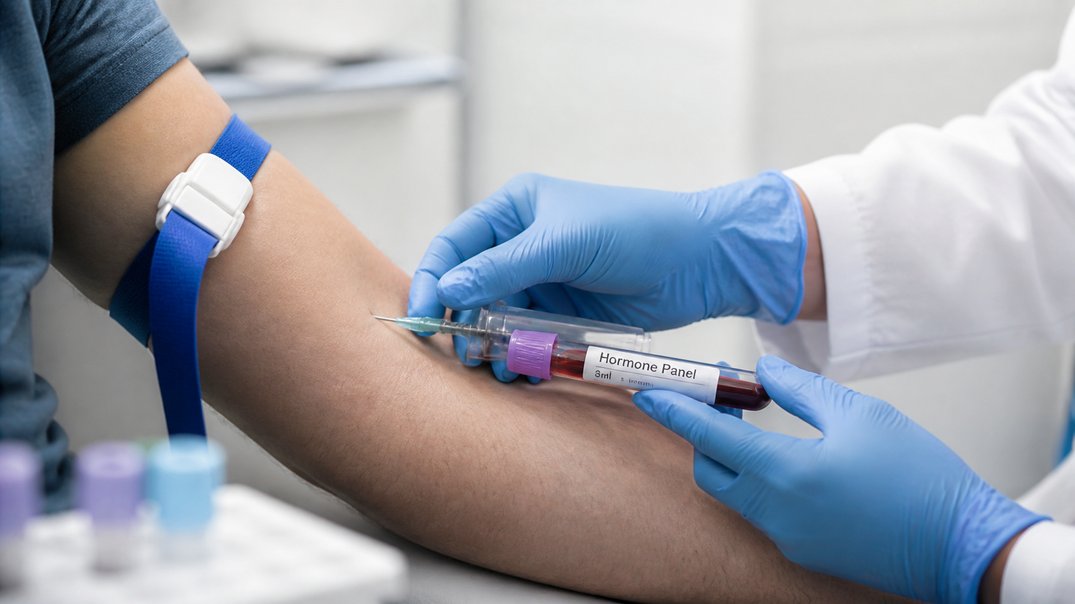
If several of these symptoms sound familiar, the right next step is a conversation with a doctor and a blood test, not guessing or self-treating with over-the-counter supplements. A morning total testosterone test, repeated on a second occasion if the first result is low, is the standard way to confirm or rule out testosterone deficiency. From there, your doctor can help identify any underlying cause and discuss whether lifestyle changes, further testing, or treatment makes sense for your situation.
The Bottom Line
The most telling signs of low testosterone in men under 40 are persistent fatigue, reduced libido, difficulty maintaining muscle, increased body fat, mood changes, brain fog, and poor sleep, with fatigue often standing out as especially prominent in this age group. Because these symptoms overlap with so many other common conditions, a proper blood test is the only reliable way to know whether testosterone is actually the underlying issue.