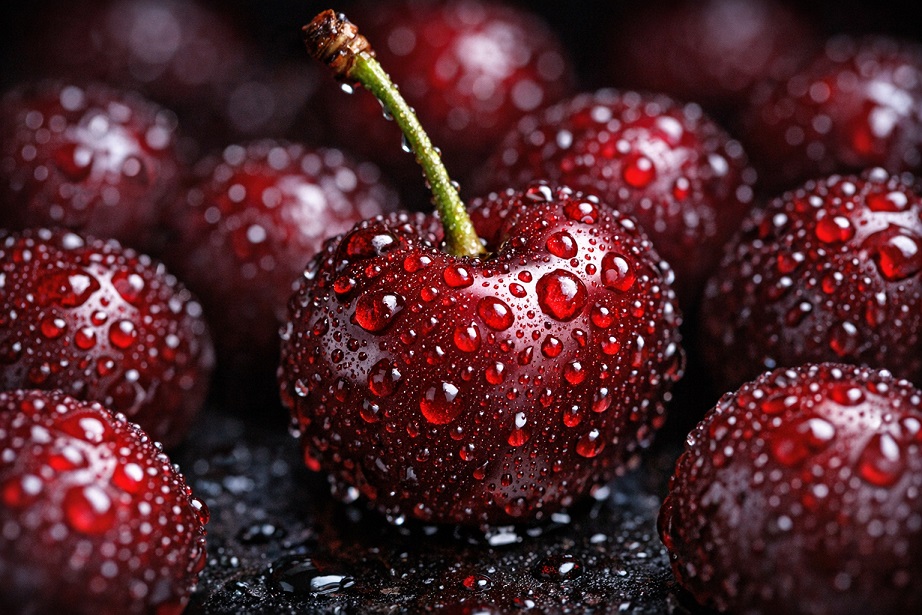
Melatonin supplements are everywhere. They come in gummies, capsules, sprays, and dissolvable tablets, often in doses that range from one milligram all the way up to ten or even twenty. Walk down the sleep aid aisle of any pharmacy and you might think melatonin is the definitive answer to every sleep problem ever known. But here is something worth considering: your body is actually quite capable of producing its own melatonin, and one small red fruit might help it do exactly that.
Tart cherry, particularly the Montmorency variety, has earned a serious reputation among sleep researchers. It is one of the only foods on the planet that contains naturally occurring melatonin, along with a suite of other compounds that support sleep through multiple biological pathways. If you have been reaching for a synthetic melatonin supplement every night and wondering why the results feel hit or miss, the story of tart cherry is worth your attention.
What Makes Tart Cherry Different From Sweet Cherry
Not all cherries are created equal when it comes to sleep. The sweet cherries you might toss into a fruit salad are lovely, but they are not the same thing as Montmorency tart cherries, which are a specific cultivar grown primarily in Michigan and parts of Europe and Canada. Montmorency tart cherries have a distinctive sour flavor and a nutritional profile that is meaningfully different from their sweeter cousins.
A Concentrated Source of Melatonin
Tart cherries contain measurable amounts of melatonin, the hormone your brain’s pineal gland secretes in response to darkness to signal that it is time to sleep. What makes this interesting is that dietary melatonin from a whole-food source behaves differently than a large synthetic dose. The concentration in tart cherry is relatively low, which aligns more closely with what your body would naturally produce rather than overwhelming the system with a pharmacological amount.
Research has shown that consuming tart cherry juice or tart cherry concentrate increases urinary melatonin levels in humans, confirming that the melatonin in the fruit is bioavailable and does make it into circulation. A study published in the European Journal of Nutrition found that participants who drank tart cherry juice concentrate experienced significant increases in melatonin levels and reported improved sleep duration and quality compared to a placebo group.
Tryptophan and Serotonin: The Upstream Support
Tart cherry does not stop at melatonin. It also contains tryptophan, an essential amino acid that serves as the raw material from which the body manufactures serotonin, and serotonin is the upstream precursor to melatonin. Tart cherry also contains compounds that inhibit an enzyme called indoleamine 2,3-dioxygenase, which breaks down tryptophan. By keeping more tryptophan available, tart cherry helps support the entire sleep hormone cascade from the ground up.
The Anti-Inflammatory Angle
One reason people often overlook when discussing tart cherry and sleep is its anti-inflammatory activity. Chronic low-grade inflammation is increasingly recognized as a disruptor of healthy sleep. Inflammatory cytokines can interfere with sleep regulation and contribute to the kind of restless, non-restorative sleep that leaves you feeling worse in the morning than when you went to bed.
Anthocyanins: The Compounds Doing the Heavy Lifting
Tart cherries are extraordinarily rich in anthocyanins, the pigments that give them their deep red color. Anthocyanins are potent antioxidants with well-documented anti-inflammatory properties. They work by inhibiting cyclooxygenase enzymes, which are the same enzymes that common anti-inflammatory medications target, though through a gentler and more natural mechanism. By reducing inflammation, tart cherry may help remove one of the biochemical barriers to quality sleep.
This is also one reason tart cherry has become popular in athletic recovery circles. Athletes who consume tart cherry before and after intense exercise report reduced muscle soreness and faster recovery, and a growing body of research supports those claims. Better recovery from exercise is associated with better sleep, and the relationship runs in both directions.
Tart Cherry vs. Synthetic Melatonin: A Meaningful Comparison
Synthetic melatonin supplements are not inherently problematic, but they do come with a few considerations that are worth weighing. Most over-the-counter melatonin products contain doses far higher than what the body naturally produces. A typical supplement might deliver three to ten milligrams, while the pineal gland’s natural nightly output is closer to 0.1 to 0.3 milligrams. Some researchers have raised concerns that habitual use of high-dose synthetic melatonin could downregulate the body’s own melatonin production over time, though this remains an area of ongoing study.
Working With Your Body, Not Around It
Tart cherry offers a different approach. Rather than replacing the body’s melatonin signaling with a large external dose, it supports and amplifies the natural production process. It supplies a modest amount of dietary melatonin, provides the tryptophan and protective enzymes needed to synthesize more, and reduces the inflammation that can interfere with sleep regulation. It is the difference between handing your body the answer and helping it find the answer itself.
For people who find synthetic melatonin leaves them groggy in the morning, the gentler, food-derived approach of tart cherry is often a better fit. The morning grogginess associated with melatonin supplements is typically a sign that the dose was too high or taken too late, and because tart cherry delivers a much smaller and more physiologically proportional amount, it is less likely to produce that heavy, hard-to-shake feeling the next day.
How to Use Tart Cherry for Sleep
Tart cherry can be consumed in several forms. Juice made from Montmorency tart cherries is widely available, though it is worth noting that juice can be high in natural sugars. Concentrated tart cherry extract in capsule or powder form offers a more controlled and sugar-free option. When sourcing a supplement, look for products that specify Montmorency tart cherry and ideally include standardized anthocyanin content.
Timing matters. Taking tart cherry roughly 30 to 60 minutes before bed gives the melatonin and tryptophan components time to reach peak availability as you are winding down. Some research protocols used two servings per day, one in the morning and one in the evening, which may support a more consistent circadian rhythm over time.
If you have been cycling through synthetic sleep aids without finding something that feels right, tart cherry deserves a serious look. It is not a sedative, it does not knock you out, and it does not leave you feeling like you are swimming through fog the next morning. It simply works quietly and intelligently with your body’s own biology, which, when it comes to sleep, is usually exactly the right approach.