
If you’re in your 30s, 40s, or 50s and find yourself needing a second cup of coffee just to feel like a functional adult, you’re not imagining things. Energy decline in men isn’t just about sleep debt or a busy schedule. It’s tied to real, measurable shifts happening inside your body, including a gradual drop in growth hormone production that begins as early as your late 20s. The good news is that understanding what’s actually going on gives you something to work with instead of just something to complain about.
The Biology Behind Fading Afternoon Energy
There’s a reason that 3 p.m. slump feels different at 45 than it did at 25. Your body’s energy systems, hormone output, and recovery capacity all shift with age, often quietly enough that you don’t notice until the cumulative effect catches up with you.
How Growth Hormone Naturally Declines With Age
Human growth hormone (HGH) is produced by the pituitary gland and plays a role in metabolism, muscle maintenance, and cellular repair. Research has shown that HGH secretion decreases steadily after your 20s, a process sometimes called somatopause. This isn’t a cliff you fall off; it’s a slow slope. But over years, that slope adds up to noticeably less get-up-and-go, slower recovery from workouts, and a metabolism that doesn’t forgive a late-night pizza the way it used to.
Why Fatigue Feels Different Than It Did in Your 20s
In your 20s, fatigue was usually situational. You stayed up too late, you bounced back. In your 40s and beyond, fatigue can feel more like a baseline setting, something you carry around rather than something that happens to you. That shift often reflects changes in hormone levels, muscle mass, and even mitochondrial efficiency (the tiny engines inside your cells that produce usable energy).
Lifestyle Factors That Quietly Drain Your Energy
Biology sets the stage, but daily habits decide how the story plays out. A few common patterns tend to compound natural hormonal shifts, making fatigue worse than it needs to be.
Sleep Quality, Not Just Sleep Quantity
Most HGH release happens during deep, slow-wave sleep. If you’re technically getting seven hours but waking up groggy, the problem might be sleep quality rather than duration. Alcohol before bed, screen exposure late at night, and untreated sleep apnea can all interrupt the deep sleep stages where your body does its most important hormonal work.
Sedentary Stretches and Strength Training
Resistance training and high-intensity exercise are among the few things you can actually control that influence natural HGH release. If your workouts have quietly shifted from lifting weights to lifting a laptop, your body has less reason to maintain the muscle and metabolic machinery that keeps energy levels up.
Chronic Stress and Cortisol Overload
Cortisol and growth hormone have a complicated relationship. Chronic stress keeps cortisol elevated, and elevated cortisol can interfere with the deep sleep and recovery processes that support healthy HGH levels. If your job or home life has you running on adrenaline most days, your energy reserves are paying the tax.
Natural Ways to Support Healthy Energy Levels
You can’t stop time, and you probably shouldn’t try to chase the exact energy levels you had at 24. But you can absolutely support the systems that keep energy steady as you age.
Prioritizing Deep Sleep
Consistent sleep and wake times, a cool dark bedroom, and cutting off caffeine by early afternoon all support the deep sleep stages where hormonal repair happens. If you snore heavily or wake up gasping, it’s worth getting evaluated for sleep apnea, which is common and often undertreated in men over 40.
Strength Training Two to Four Times a Week
You don’t need to train like a competitive athlete. Consistent resistance training, even two focused sessions a week, helps preserve muscle mass and supports the natural processes tied to healthy hormone levels.
Supporting Your Body’s Natural HGH Production
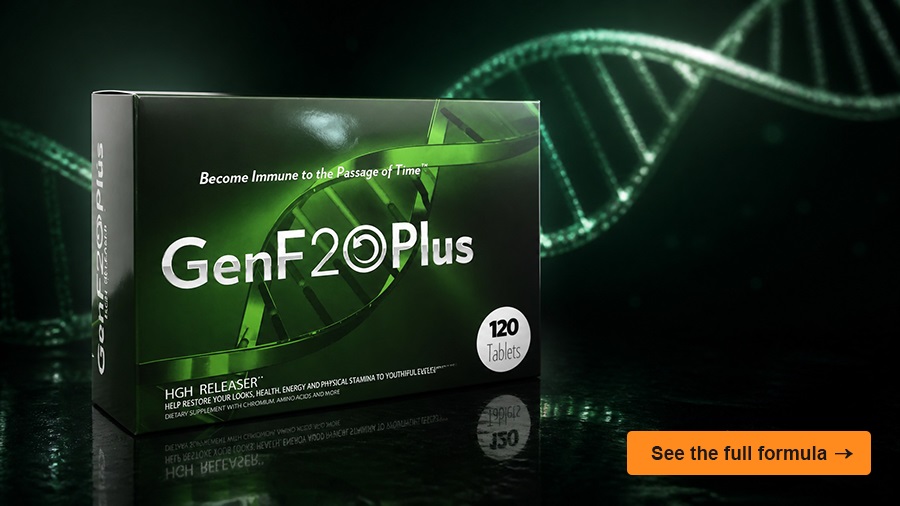
Some men also look into natural HGH releaser supplements, typically formulated with amino acids like L-arginine, L-ornithine, or glutamine, which are thought to support the body’s own growth hormone production rather than introducing synthetic hormone. These aren’t a replacement for sleep, exercise, and stress management, but for some men they’re a reasonable addition to a broader routine focused on energy and recovery. As with any supplement, it’s worth researching ingredients and talking to a doctor, especially if you take other medications.
None of this requires an overhaul overnight. Pick one lever, whether that’s an earlier bedtime, an extra strength session, or simply paying closer attention to how your body responds to stress, and give it a few consistent weeks before judging the results.
Frequently Asked Questions
A few common questions men ask when they start noticing this kind of energy shift.
At What Age Does Growth Hormone Start to Decline?
Research indicates HGH production begins a gradual decline in the late 20s to early 30s, continuing steadily through midlife and beyond.
Can Poor Sleep Alone Explain Low Energy in Men Over 40?
Sleep is a major factor since most HGH release happens during deep sleep, but low energy is usually multifactorial, involving hormones, muscle mass, stress, and overall metabolic health together.
Do HGH Releaser Supplements Actually Increase Growth Hormone?
These supplements are formulated with amino acids believed to support the body’s natural HGH production, but individual results vary and they work best alongside good sleep, exercise, and nutrition rather than as a standalone fix.
Is It Normal to Feel More Tired in Your 40s and 50s Than in Your 20s?
Yes, some decline in energy is a normal part of aging tied to hormonal and metabolic shifts, though significant or sudden fatigue is worth discussing with a doctor to rule out other causes.
This article is for informational purposes only and is not medical advice. Statements about dietary supplements have not been evaluated by the FDA and are not intended to diagnose, treat, cure, or prevent any disease.