
In research on pharmaceutical HGH, body composition shifted toward more lean mass and less fat in adults over 40, including middle-aged men with abdominal obesity, although the changes were modest and, in one trial, faded after treatment stopped. The body’s own HGH also declines gradually after the third decade of life, alongside natural shifts in muscle and abdominal fat.
What Changes Naturally After 40
An endocrinology reference on the National Library of Medicine site notes that after the third decade of life, HGH secretion declines about 15 percent per decade, and that this decline is accompanied by a loss of skeletal muscle mass and aerobic capacity and an increase in abdominal fat. The same source adds that the extent to which the HGH decline causes those age-related changes remains uncertain. So the timing lines up, and the cause is still being sorted out.
What Trials in Middle-Aged and Older Men Found
In a nine-month randomized trial of 30 men aged 48 to 66 with abdominal obesity, pharmaceutical HGH reduced visceral fat by about 18 percent and total body fat by about 9 percent. A six-month trial of middle-aged men with visceral obesity found an increase in weight and lean body mass of about 2.5 kilograms and an 8.8 percent reduction in visceral fat, although the effects on fatness disappeared shortly after treatment ended. A JAMA trial in healthy older adults reported that men receiving HGH gained about 3.1 kilograms of lean mass.
Why the Changes Are Modest
The largest pooled analysis, a 2007 systematic review, found that in healthy older adults fat mass decreased by 2.1 kilograms and lean mass increased by 2.1 kilograms, with no change in weight. The middle-aged men trial’s authors described the reduction in visceral fat as small. A commentary in Nature Reviews Endocrinology adds that improvements in body composition have not translated into better strength or physical function in earlier randomized trials. The changes are real, and they are measured in kilograms, not transformations.
The Natural Side of the Story
Body composition and your own HGH influence each other. Cleveland Clinic notes that HGH release in healthy people is stimulated by sleep, exercise, and other everyday factors, and an article in PLOS One reports that adiposity is associated with lower HGH secretion, a pattern that can be reversed by a return to normal weight. After 40, that two-way relationship is worth understanding.
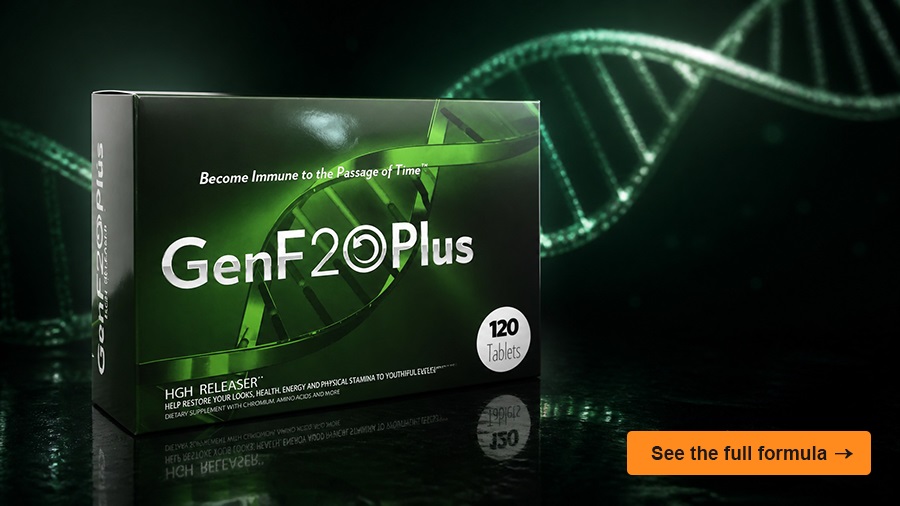
How HGH Releasers Differ From Prescription HGH
Every trial described here involved pharmaceutical HGH given in research settings. Prescription HGH is an injectable medicine that doctors prescribe for specific medical conditions. HGH releasers are a separate category: over-the-counter dietary supplements formulated with ingredients, such as amino acids and other nutrients, intended to support your pituitary gland’s own release of HGH. The two are different products and are studied separately. Like other dietary supplements, HGH releasers are not intended to diagnose, treat, cure, or prevent any medical condition.
Where HGH Releasers Fit Into a Healthy Routine
Men who take a releaser typically do so as one part of a routine that includes training, nutrition, and rest. If you are curious about trying one, it is sensible to check with your doctor first, particularly if you take medication or have an existing health condition.
Frequently Asked Questions About HGH and Body Composition After 40
Are HGH Releasers the Same as Prescription HGH?
No. Prescription HGH is an injectable medicine used for specific medical conditions. HGH releasers are over-the-counter dietary supplements formulated to support the body’s own natural growth hormone release.
Is Muscle Loss After 40 Caused by Low HGH?
That is not established. An endocrinology reference notes that HGH declines with age alongside muscle loss, but the extent to which the decline causes the loss remains uncertain.
Should I Talk to My Doctor Before Trying an HGH Releaser?
Checking with your doctor is a smart step, especially if you take medication or have a health condition. Your doctor can help you decide whether a supplement fits your situation.