

Imagine trying to keep your brain sharp with the enthusiasm of a New Year’s resolution and the strategy of throwing darts in the dark. You pick a supplement, try a new routine, maybe cut back on late-night scrolling, and hope the “I feel better” signal is real and not just your optimism talking.
This is where NAD testing enters the room, politely clears its throat, and says, “Hey, what if we used data?” NAD is not a magic spell, but it is a central molecule in how cells make energy and respond to stress. And because the brain is famously energy-hungry, many people interested in cognitive wellness are paying attention to NAD and the habits that influence it. The catch is simple: if you never measure your level, it is hard to know whether your plan is helping or just emptying your wallet.
Here we put the spotlight where it belongs, on testing: why it matters, how at-home NAD tests work, and how to use results as one more tool for making smarter brain-health decisions.
Contents
NAD Basics: The Tiny Molecule With A Big Job
NAD is short for nicotinamide adenine dinucleotide. In plain English, it is a helper molecule involved in turning food into usable cellular energy, supporting repair processes, and helping enzymes do their work. You will often see it discussed in two forms:
- NAD+, the “ready to accept electrons” form
- NADH, the “carrying electrons” form
Think of NAD+/NADH like rechargeable batteries shuttling charge around a busy city. When those batteries are plentiful and cycling well, cells can manage energy demands and stress more efficiently. When those batteries are low, the system can feel strained.
What NAD Has To Do With Cognitive Wellness
Your brain uses a lot of energy, even when you are sitting still. Neurons need fuel to maintain signals, manage neurotransmitters, and keep the supporting “housekeeping” functions running. NAD is one piece of the larger energy and maintenance network that includes mitochondria, glucose metabolism, oxygen handling, and antioxidant systems.
That does not mean “higher is always better.” It means NAD is a meaningful biomarker to watch when you care about how your body is handling energy and cellular upkeep, which can influence how you feel, focus, and recover.
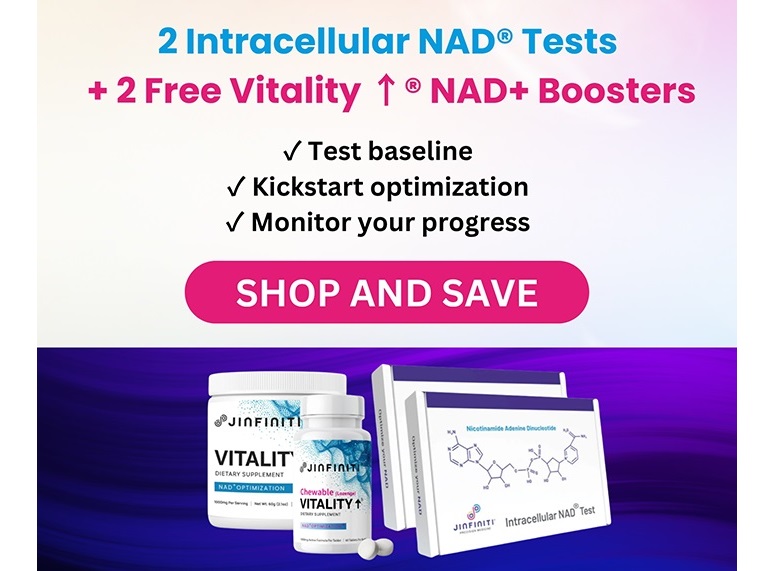
Why NAD Testing Matters More Than Guesswork
Here is the uncomfortable truth: you cannot reliably “feel” your NAD level. Plenty of things can improve focus and mood, including sleep, hydration, exercise, stress level, and whether you ate lunch. If you start a new supplement or routine and feel different, that is interesting, but it is not proof of cause and effect.
NAD testing helps turn a vague wellness goal into a trackable project. Instead of asking, “Is this working?” you can ask, “Did my level change, and if so, by how much?”
Benefits Of Knowing Your Baseline
A baseline test is like taking a starting photo before a fitness program. It does not judge you, it just tells the truth. With a baseline NAD result, you can:
- Check where you are starting, especially if you suspect fatigue, high stress, poor sleep, or intense training is draining your reserves.
- Decide whether “support” even makes sense, because some people may already be in a healthy range.
- Avoid random stacking, where you add multiple products and have no idea which, if any, made a difference.
Why Testing Before And After Is The Real Power Move
The best use of NAD testing is not a single number. It is change over time. Many at-home options are designed around a simple idea: test at baseline, follow a consistent protocol for several weeks, then test again.
That follow-up test can help you:
- Confirm whether your approach is moving the needle instead of relying on marketing claims or wishful thinking.
- Personalize your plan, because responses vary widely between individuals.
- Avoid overdoing it, particularly if you are combining multiple NAD-related strategies at once.
If you have ever said, “I’m taking all the things and I’m still tired,” data can be a friendly reality check. Sometimes the answer is “this is not the lever you need to pull.”
How At-Home NAD Testing Works
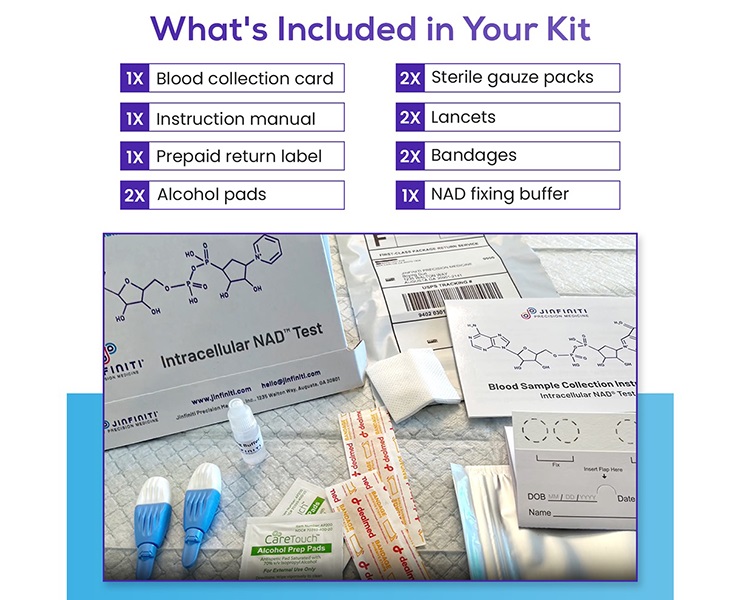
Modern at-home NAD tests typically use a finger-prick blood sample collected on a special card (often called dried blood spot collection). You take a small sample at home, let it dry, and mail it to a laboratory for analysis. You then receive results digitally.
The Typical Three-Step Process
- Prep your hands: Warm your fingers (warm water helps), then clean with the provided alcohol pad.
- Collect the sample: Use the lancet to prick a fingertip and place drops of blood onto the marked circles on the card.
- Dry and mail: Let the card air-dry fully (often a few hours), then mail it in the provided packaging.
If you are squeamish, the finger prick sounds dramatic, but most people describe it as more “annoying” than painful. If you can handle a paper cut, you can probably handle this.
What The Results May Include
Different services report results in different ways, but many aim to provide:
- Your NAD level, sometimes described as intracellular or whole-blood measures, depending on the method.
- Reference ranges to help you interpret whether you are low, average, or higher relative to the lab’s population data.
- Guidance notes that explain what the result may mean and what factors can influence it.
It is worth reading the fine print. NAD can be measured in different compartments and with different methods, so you want consistency across tests. If you are doing before-and-after testing, use the same test type both times.
Making NAD Results Useful For Brain Health
A lab result is only as helpful as what you do with it. The goal is not to chase a perfect number like it is a high score in an arcade game. The goal is to connect the result to habits that support cognition and overall vitality.
Pair NAD Testing With The Big Levers
If you want a better brain, start with the boring stuff that works. NAD testing can be a motivational checkpoint alongside these foundations:
- Sleep: Chronic sleep loss is like asking your brain to run a marathon while wearing flip-flops.
- Movement: Aerobic activity and strength training support mitochondrial health, blood flow, and stress resilience.
- Nutrition: Balanced protein, fiber, and micronutrients support the pathways that build and recycle NAD.
- Stress management: Long-term stress can shift metabolism, recovery, and inflammation in unhelpful directions.
Supplements and protocols can be part of the picture, but they work best when the foundation is not cracked.
If You Use NAD-Related Supplements, Test Like A Scientist
If you choose to use NAD-related supplements (often precursors like nicotinamide riboside or nicotinamide mononucleotide), testing gives you a way to be methodical:
- Change one thing at a time, so you can actually learn what affects your level.
- Keep the timing consistent, because recent meals, exercise, and supplements can influence biomarkers.
- Track symptoms separately: keep a simple notes log for sleep, energy, focus, and mood so you can compare “numbers” and “real life.”
You might find your level rises with a modest approach. You might find it barely budges. Either way, that is useful. Your body is giving you feedback instead of a sales pitch.