
TL;DR: Caffeine sharpens focus by blocking sleep-inducing adenosine receptors and triggering a surge of dopamine and norepinephrine, yet large doses backfire by spiking cortisol and depleting key brain chemicals. You can capture pure cognitive clarity without the afternoon crash by micro-dosing 50 mg to 100 mg of natural caffeine alongside a 2:1 ratio of L-theanine, L-tyrosine, and bioavailable B-vitamins. Formulas like Performance Lab Caffeine 2™ package this exact research-backed synergy into a single clean capsule.
How Caffeine Actually Works Inside Your Brain
Most people assume caffeine creates energy out of thin air. In reality, caffeine is a molecular decoy that temporarily disguises fatigue while accelerating neural signaling.
Throughout your waking hours, a neurotransmitter called adenosine steadily accumulates in your brain. As adenosine binds to its receptors, neural activity slows down, making you feel drowsy and mentally sluggish. Caffeine shares a nearly identical molecular shape to adenosine, allowing it to slip into those receptor sites and block adenosine from binding.
Once adenosine is blocked, your central nervous system shifts into higher gear. Inhibitory brakes come off, prompting your brain to release stimulating catecholamine neurotransmitters:

- Dopamine: Drives motivation, reward processing, and task engagement.
- Norepinephrine: Sharpens vigilance, reaction speed, and mental alertness.
- Epinephrine (Adrenaline): Elevates heart rate and primes physical readiness.
According to research indexed on PubMed, moderate caffeine intake reliably improves attention, vigilance, and information processing speed. The trouble begins when people chase that feeling with oversized servings.
Why High-Dose Caffeine Triggers Anxiety and Crashes
Drinking a 200 mg cold brew or downing a 300 mg energy drink floods your bloodstream faster than your nervous system can smoothly regulate. Instead of clean cognitive focus, an aggressive caffeine spike triggers a stress response along your hypothalamic-pituitary-adrenal (HPA) axis.
Your adrenal glands interpret that sudden surge as an emergency and pump out cortisol, your body’s primary stress hormone. Simultaneously, caffeine constricts cerebral blood vessels and suppresses calming Alpha brain waves, leaving you wired, jittery, and easily distracted.
Three hours later, two compounding problems hit at once:
- The Adenosine Flood: As your liver metabolizes the caffeine, all the adenosine that built up behind the blocked receptors rushes in simultaneously, causing heavy rebound exhaustion.
- Neurotransmitter and Nutrient Depletion: Rapid firing burns through your available dopamine and norepinephrine reserves, while caffeine’s mild diuretic effect speeds up the excretion of water-soluble B-vitamins required for cellular energy production.
Three Science-Backed Rules for Smarter Caffeine Stimulation
You do not have to quit caffeine to escape the rollercoaster. Adjusting how you dose and buffer your intake transforms caffeine from a crude stimulant into a reliable nootropic tool.
1. Micro-Dose in 50 mg to 100 mg Increments
Cognitive performance follows an inverted U-shaped curve with caffeine. Small, controlled servings elevate alertness without crossing your personal anxiety threshold. Taking 50 mg to 100 mg lets you maintain steady plasma levels across your workday rather than enduring a steep peak followed by a steep drop.
2. Pair Caffeine with L-Theanine at a 2:1 Ratio
L-theanine is a relaxing amino acid naturally found in green tea leaves. Clinical trials published on PubMed demonstrate that combining L-theanine with caffeine improves both speed and accuracy during demanding attention-switching tasks while reducing susceptibility to distractions.
L-theanine works by promoting Alpha brain wave activity (8 to 14 Hz), the frequency linked to calm, wakeful creativity. Using a 2:1 ratio, such as 100 mg of L-theanine paired with 50 mg of caffeine, smooths out vasoconstriction and prevents nervous jitters while preserving sharp mental clarity.
3. Replenish Catecholamines and B-Vitamins
Sustained focus requires raw materials. L-tyrosine is an amino acid precursor that your brain uses to synthesize fresh dopamine and norepinephrine, keeping your motivation intact during intense mental effort or sleep deprivation. Pairing L-tyrosine with coenzyme B-vitamins (B2, B6, B9, and B12) supports healthy neurotransmitter conversion and replaces the micronutrients lost through daily caffeine consumption.
Putting the Science Into Practice
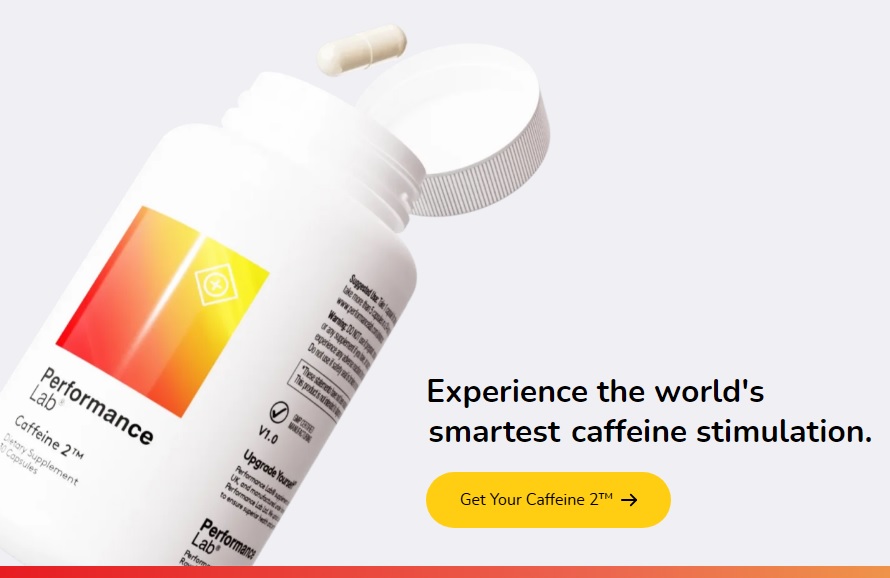
Building this protocol manually requires buying four separate bottles and measuring out powders or multiple tablets every morning. For readers who want a streamlined option, Performance Lab Caffeine 2™ combines 50 mg of natural caffeine from Coffea robusta seeds with 100 mg of L-theanine, 250 mg of L-tyrosine, and food-identical NutriGenesis® B-vitamins in a single prebiotic capsule.
Because each capsule delivers a precise 50 mg baseline, you can take one capsule for light afternoon focus or two capsules for deep morning work without risking a cortisol crash. You can check current bundle and subscription pricing on the official Performance Lab website.
Frequently Asked Questions About Nootropic Caffeine
What Is the Ideal Ratio of L-Theanine to Caffeine?
Most human cognitive studies support a 2:1 ratio of L-theanine to caffeine, such as 100 mg of L-theanine paired with 50 mg of natural caffeine. This balance promotes calm Alpha brain waves while maintaining strong alertness.
Does Caffeine Actually Give Your Brain Energy?
No, caffeine does not generate cellular ATP energy. It works by blocking adenosine receptors so your brain does not register fatigue signals, while increasing dopamine and norepinephrine activity.
Why Does L-Tyrosine Help Prevent a Caffeine Crash?
Caffeine increases demand on dopamine and norepinephrine pathways. L-tyrosine supplies the direct amino acid building blocks needed to replenish those neurotransmitters, preventing mental burnout when the caffeine wears off.
How Much Caffeine Should You Take at One Time for Focus?
For clean cognitive focus without cortisol spikes, 50 mg to 100 mg per serving is ideal for most adults. Smaller, spaced doses sustain concentration better than a single 200 mg to 300 mg dose.