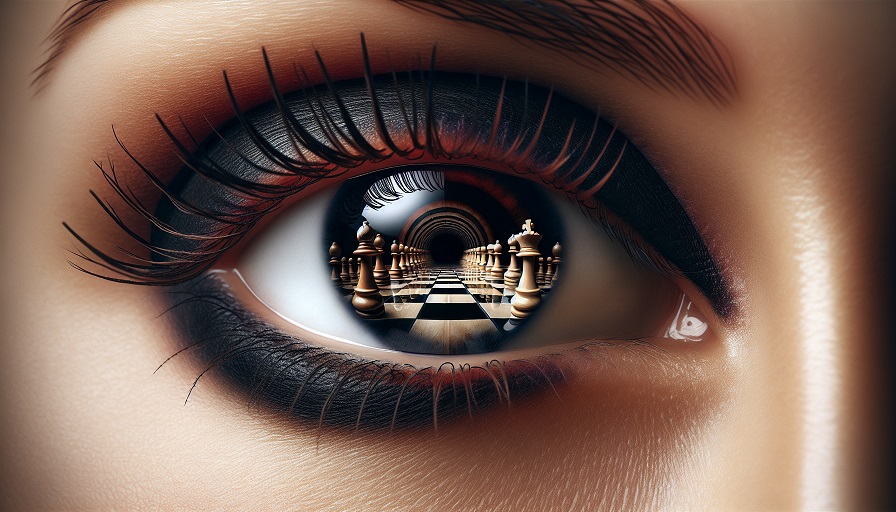
The brain loves puzzles with no real solution because unfinished business tends to stick in memory and open questions fuel curiosity. Research on the Zeigarnik effect suggests that problems we cannot solve are sometimes remembered better than ones we complete. Add the pull of an information gap, and an unsolvable riddle becomes a mental magnet.
Unfinished Problems Stick in Memory
Why does a paradox follow you into the shower? Psychologists have long noticed that unfinished tasks linger. The classic idea is called the Zeigarnik effect, and a 1991 re-examination by Colleen Seifert and Andrea Patalano tested it carefully with word problems.
Their results were nuanced. When people were interrupted and had less time to work, completed problems were remembered better. When time was held constant and people could give up on problems they could not solve, the unsolved problems were recalled better in free recall. So the effect is real in some conditions, not all.
An Impasse Can Feel Like an Invitation
The authors suggested the memory boost reflects a kind of impasse. When you hit a wall, your mind flags the problem and holds on to it. They also proposed that a problem’s completion status acts as a cue to past problem situations, helping people decide when to set aside a failed attempt and return to it later.
That is a useful trick for a creature with limited time. Putting a problem on the back burner while keeping it findable means you can notice a clue tomorrow that you could not see today. Open questions stay available.
Curiosity Turns Gaps Into Rewards
Curiosity adds fuel. A scientific review of epistemic curiosity describes it as a desire for knowledge that triggers reward anticipation and motivates knowledge-seeking behavior. One account it discusses, the information-gap theory, says curiosity arises when there is a gap between what you know and what you want to know.
An unsolvable puzzle is a gap that never fully closes, which means the anticipation can keep running. The review adds that not every gap sparks curiosity, which explains why some riddles hook you and others leave you cold.
What About Puzzles With Truly No Answer?
A caution is in order. The word problems in the research were hard but solvable, and participants simply could not crack them in the time allowed. Truly impossible puzzles, such as paradoxes or open questions in math and philosophy, were not the focus.
Still, the findings offer a plausible picture. An open question gives your mind something to explore, play with, and revisit, without the closure that would let it move on. That may be why paradoxes, koans, and endless mazes feel so delightful. The fun is in the chase, and the chase never has to end.
Ways to Enjoy Unsolvable Puzzles
If open questions make your brain light up, lean in:
- Start a mystery notebook. Collect paradoxes and riddles that intrigue you, and revisit them from time to time.
- Set a time limit. Give a puzzle ten minutes, then set it aside and see what you remember later.
- Trade puzzles with friends. Debating an unanswerable question can be a lively social exercise.
- Try a few impossible-looking brain teasers. Notice which ones you cannot stop thinking about.
Keep Wondering and Keep Exploring
Unsolvable puzzles are a healthy workout for a curious mind. They keep you thinking, asking, and imagining without the pressure to reach a final answer. If a riddle follows you around, enjoy the company.
Frequently Asked Questions About Unsolvable Puzzles
What is the Zeigarnik effect?
It is the idea that unfinished tasks are remembered better than finished ones. Research shows the effect appears in some conditions, such as when time spent on problems is held constant.
Why can’t I stop thinking about a puzzle I could not solve?
Unsolved problems tend to linger in memory, and curiosity makes a knowledge gap feel rewarding to explore. Your mind keeps the problem handy for another attempt.
Is it healthy to obsess over unsolvable problems?
Enjoying a good mystery is normal. If repetitive thoughts cause distress or interfere with daily life, talk with a healthcare provider.